The Met Gala is more than a red‑carpet party — it’s fashion’s most theatrical stage, where costume, culture and commentary collide. Over the decades, the Costume Institute’s themes have pushed designers, stylists and celebrities to stretch imagination and speak to the moment. From 18th‑century aristocratic opulence to punk rebellion and the radical experiments of Rei Kawakubo, certain Met themes changed fashion’s vocabulary forever. Here I explore the most daring concepts that turned the Gala into a cultural lightning rod, and why they still inspire us today.
1981 — The Eighteenth‑Century Woman: history as spectacle
When the Met turned to the 18th century, it wasn’t nostalgia for its own sake but a study in social codes. The theme asked guests to consider how silhouettes and ornamentation once encoded power, gender and status. On the red carpet, ornate gowns and theatrical volumes became more than costume: they acted as historical commentary. Iman’s bronze Calvin Klein tunic from that era remains a rare example of history translated into modern elegance.
1990s — Haute couture as theatre
The 1990s editions celebrated couture’s performative side: clothing as spectacle. Under the directorship of Anna Wintour, the Gala emphasised the dramatic, star‑making potential of fashion. Naomi Campbell’s early Met moment in Versace captured that energy — sequins, stage presence and the model as performer. The theme reinforced couture’s resilience by highlighting its ability to reinvent and dominate cultural conversations.
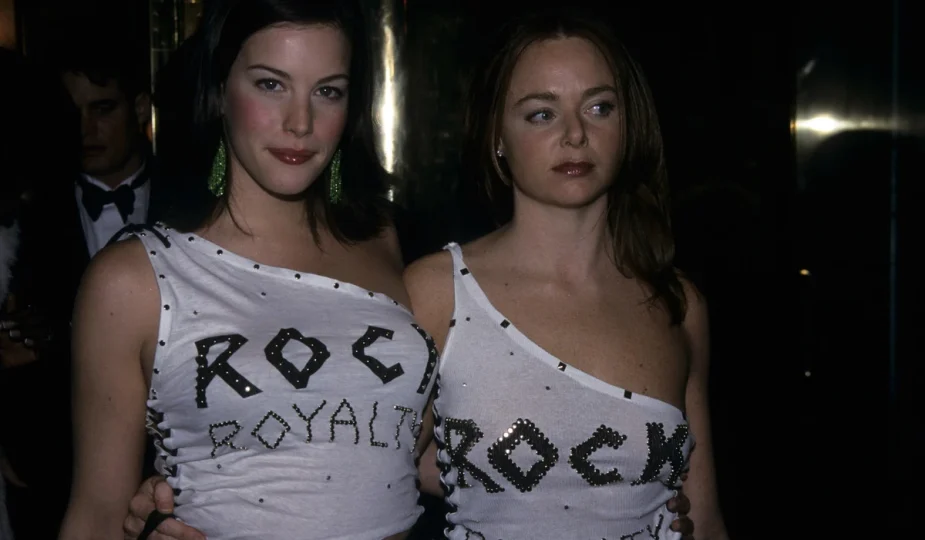
1999 — Rock Style: rebellion on the red carpet
Rock’s arrival at the Met signalled an embrace of street attitude and subcultural energy. Designers and guests channelled the rebellious spirit of music icons, mixing glamour with grit. The result was a red carpet that felt alive, loud and instantaneously iconic. Rock Style gave fashion permission to be raw and electric, not just polished.
2006 — AngloMania: tradition meets transgression
AngloMania put British fashion under a spotlight, exploring the tension between Savile Row precision and punk subversion. This duality — reverence for tailoring alongside deliberate rebellion — made the theme a nuanced study of national identity and style. It showed how a single fashion tradition could contain both respectability and radicalism.
2017 — Rei Kawakubo / Comme des Garçons: the art of the in‑between
Arguably one of the most transformative Met themes, the Rei Kawakubo exhibition and Gala challenged the boundaries of what fashion could be. “Art of the In‑Between” confronted binaries — male/female, beautiful/ugly, garment/art. On the red carpet, looks were sculptural, deconstructed, and intentionally difficult to read. Rihanna’s floral, petal‑like look captured the exhibition’s spirit: fashion as intellectual provocation.
2018 — Heavenly Bodies: sacred motifs as couture
By bringing Catholic iconography into couture, the Gala sparked both wonder and debate. Ornate religious symbolism, mitres and angelic silhouettes appeared alongside modern celebrity pageantry. The theme highlighted fashion’s capacity to borrow from spiritual traditions and reframe them as aesthetic, raising questions about reverence, appropriation and spectacle.
2019 — Camp: fashion as performance
“Camp” is all about excess, irony and theatricality. Interpreting Susan Sontag’s essay through fashion led to some of the Met’s most unforgettable performances: outfits that changed during the evening, dramatic gestures and playful artifice. Lady Gaga’s multi‑stage wardrobe reveal remains the paradigm of camp at the Met — a moment when clothes became a live theatrical act.
2024 — Sleeping Beauties: archives reawakened
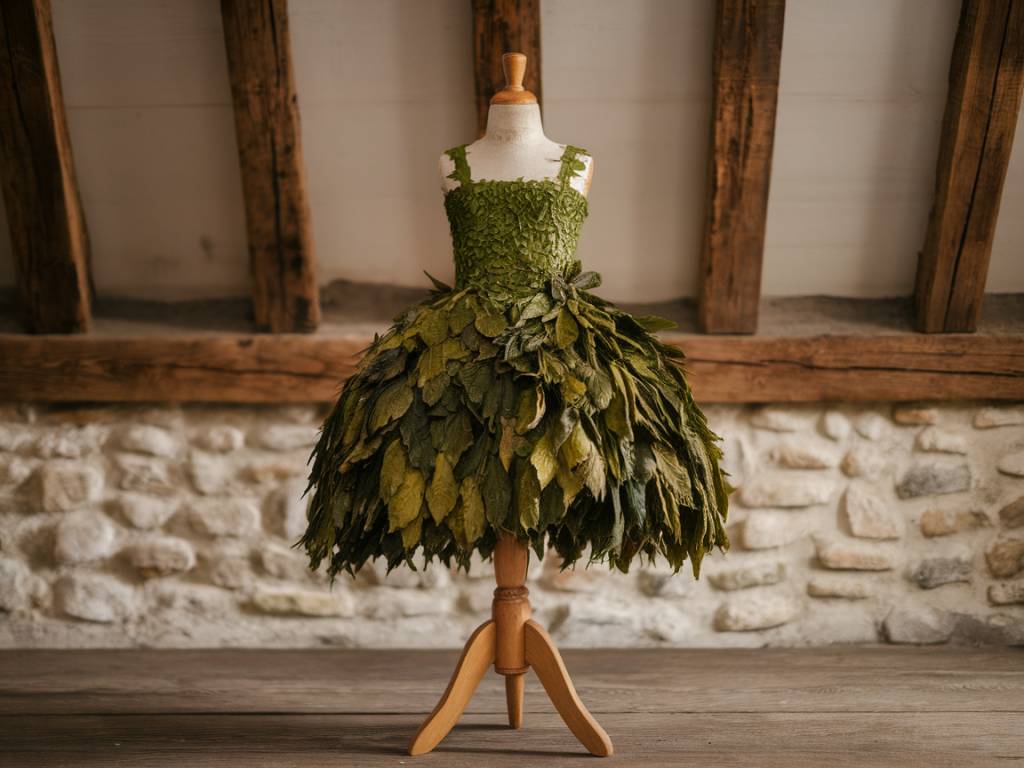
Recent themes have also turned the Gala into a curatorial act, inviting the living to engage with preserved garments. “Sleeping Beauties” asked guests to imagine archival pieces reborn, turning the red carpet into a museum‑like dialogue between past and present. Zendaya’s garden‑inspired looks illustrated how designers can reinterpret history with poetic sensitivity.
Why these themes matter beyond the spectacle
Bold Met themes do several things at once: they demand creativity; they provoke conversation; and they force fashion to reflect on history, politics and identity. They create cultural touchpoints that extend far beyond the night itself — influencing editorials, street style, and the way brands talk about their own heritage and values.
How to read a Met look as a message
What the Met teaches us about style today
The Met Gala reminds us that fashion is a language. It can poke, challenge and rewrite narratives. Whether you crave the theatrical or the effortlessly chic, the Gala’s most daring themes prove that clothes can be powerful tools for storytelling — and that sometimes the strangest ideas make for the most memorable fashion moments.