
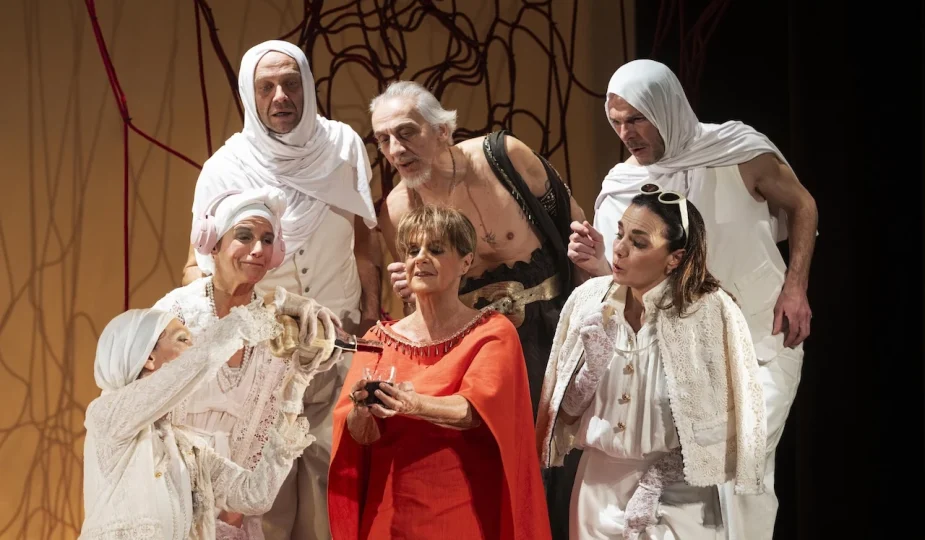
Greek classics are enjoying a clear renaissance on stages, screens and in exhibitions this season — and it’s easy to see why. These ancient stories, from Antigone to Odysseus and Lysistrata, are not dusty relics but living texts that continue to probe power, gender, trauma and solidarity. Directors and playwrights across Europe are reworking the myths, not to offer tidy answers, but to pose the urgent questions our societies need to hear. Below I explore why the classics resonate so strongly today, the creative approaches theatre makers are using, and the highlights to watch this season.
Why ancient myths still speak to us
Myths endure because they address archetypal human situations: conflict, loss, desire, betrayal, moral choice. Their language is dense and symbolic, which makes them endlessly adaptable. A heroine like Antigone, for instance, is simultaneously a figure of familial loyalty, civil disobedience and ethical conviction — qualities that can be reframed to speak to contemporary debates about authority, migration, or gendered violence. Theatre artists today use these texts as mirrors: they return the present back at audiences, often magnified and sharper.
New forms, fresh perspectives
Contemporary companies are inventing daring formats to bring classical texts alive:
Notable productions and festivals to watch
This season is rich with appointments that show how varied classical reinterpretation can be. Among them:
How theatre makers choose to reframe the classics
Directors and companies make deliberate choices about what to emphasise. Some look to the political — using The Persians, for instance, to comment on contemporary geopolitics. Others turn to the domestic, excavating family dynamics and mental health in plays like Alcestis. The result is not a single “correct” interpretation but a chorus of voices that keeps the texts alive and responsive.
Why this trend matters for audiences
Women, agency and new readings
One of the most important developments is how female figures are being foregrounded. Antigone, Lysistrata and Penelope are being reinterpreted as agents of resistance, diplomacy and moral intelligence. These productions often emphasise women’s political agency — Lysistrata as a prototype of peaceful protest, Antigone as a complex actor of conscience — and use the plays to interrogate gender, consent and power in glittering, modern settings.
From page to screen — the cinematic appetite
The renewed appetite for myth extends to film and books. Big cinematic adaptations (high‑profile retellings of the Odyssey, for example) show that myths scale up well: they can absorb blockbuster techniques while retaining mythic force. Similarly, novels revisiting Trojan narratives or Homeric perspectives adapt ancient storytelling to contemporary market tastes, making these narratives widely visible beyond the theatre community.
How to approach a classic as a modern viewer
The return of Greek classics isn’t nostalgic — it’s purposeful. These plays are being re‑used as thinking tools, offering condensed moral complexity at a time when audiences are hungry for work that helps them make sense of fast‑moving, disorienting times. For the theatregoer, the reward is both emotional and intellectual: great storytelling matched with a contemporary pulse that insists the past can still illuminate the present.