
Snow boots have a reputation for being practical first and pretty second. But the right pair can do both: keep your toes warm on icy pavements and look just as at home with a wool coat as with your favourite weekend jeans. If you are shopping for designer snow boots for ladies, the trick is to look beyond the label and find a pair that suits your winter, your wardrobe and your feet.
Before you fall for a glossy buckle or a perfectly fluffy lining, think about where you will wear them. A boot for snowy country walks needs different features from one for brisk city commutes. Here is how to choose a stylish pair that earns its place by the door.
Start with the winter you actually experience
It is tempting to shop for the most dramatic mountain-ready boot, but your day-to-day weather matters more than an imagined ski holiday. Do you regularly walk on slushy pavements, stand at outdoor events, or head out for long countryside rambles? Or do you mainly want a warm, sturdy option for occasional frosty mornings?
For wet city streets, prioritise a waterproof or water-resistant upper, sealed seams where possible, and a grippy outsole. If you spend longer outdoors in freezing temperatures, look for insulation designed to retain warmth and a lining that feels comfortable for extended wear. For occasional use, a lighter boot may be easier to style and less cumbersome to carry around.
Be honest about your routine. A beautiful pair that is too warm for your commute or too slippery for your favourite walk can quickly become an expensive ornament. The best designer snow boot is the one you will genuinely reach for.
Check the materials, not just the name
Designer labels often come with thoughtful construction, but materials still deserve a close look. Leather can be durable and develop character over time, while treated suede offers a softer, more polished finish. Both need suitable care and may require a protective spray before their first outing. Always check the care instructions, especially if the boot has a delicate finish.
Synthetic uppers can be light, easy to wipe clean and useful in wet conditions, depending on how they are made. For snowy or rainy weather, check whether the product is described as waterproof, water-resistant or simply weather-ready. Those terms are not interchangeable. If you cannot find clear details, ask the retailer before buying.
The lining matters just as much. Wool, fleece and faux fur can all feel cosy, but warmth also depends on the boot’s overall construction and how well it fits. A thick lining that leaves no room for your toes may make a boot feel colder, not warmer, because your feet cannot move comfortably.
Find a fit that leaves room to move
Snow boots should feel secure around the heel, without squeezing your toes. Try them on with the socks you expect to wear in winter. If you usually choose thicker socks on cold days, take a pair with you when shopping. Your feet can also swell slightly during a long walk, so a fit that feels just right while sitting down may become uncomfortable after a few hours.
Check that your toes can wiggle, your heel does not lift excessively and the boot feels steady when you walk. A removable insole can be helpful if you use orthotics or want to adjust the fit. Laces allow you to tailor the fastening around your foot and ankle, while a side zip can make boots easier to put on and take off.
Do not assume you should size up automatically. A boot that is much too large can rub and feel unstable. If you are between sizes, compare the brand’s sizing guidance and try both options with winter socks. Comfort should win over wishful thinking.
Look for grip you can trust
A stylish boot is not much use if every icy pavement becomes an impromptu skating rink. Turn the boot over and inspect the outsole. A deeper tread with defined patterns generally offers more traction than a smooth, fashion-first sole. A flexible sole can also make walking feel more natural, though it should still provide enough support for your usual activities.
Remember that no sole makes every surface slip-proof. Ice, packed snow and wet leaves can all be treacherous, so take smaller steps and walk carefully when conditions are poor. If you regularly face severe winter weather, consider keeping a more technical pair for challenging walks and saving your dressier boots for everyday wear.
When shopping online, look closely at the sole in product photographs and read the specifications. If grip is not mentioned, do not rely on a stylish silhouette to tell you how it will perform.
Choose a shape that works with your wardrobe
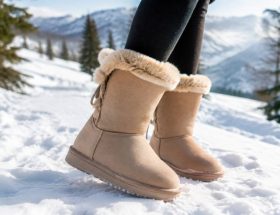
The most versatile designer snow boots are usually the ones that fit naturally into the clothes you already own. A streamlined ankle boot can work with straight-leg jeans, leggings and winter dresses. A taller boot offers more coverage and looks lovely with a long coat, tucked-in trousers or a cosy knit dress.
Think about proportions. A chunky boot balances wide-leg trousers and oversized outerwear, while a slimmer silhouette can feel more polished with a tailored coat. If you wear lots of neutrals, a black, tan or cream pair may be an easy investment. A rich burgundy, forest green or metallic detail can add personality without demanding a whole new wardrobe.
Details make a difference, too. Faux-fur trim, contrast laces, quilting and branded hardware can give a practical boot a designer finish. If you want maximum versatility, choose one standout detail rather than several competing ones. The aim is to look considered, not as though your boots are auditioning for the lead role.
Balance warmth with wearability
Insulation and lining are important, but more is not always better. A heavily insulated boot can be wonderfully cosy during a long outdoor day and uncomfortably warm on a short trip around town. Think about how long you will be outside and whether you are likely to move around or stand still.
Layering your socks can help you adapt, but avoid wearing so many that your feet feel cramped. A moisture-wicking sock can be a sensible choice for active days because dampness can make feet feel cold. If your boots become wet inside, dry them thoroughly at room temperature before wearing them again. Do not place leather or suede boots directly beside a radiator, as intense heat can damage the material.
For extra comfort, check the boot’s weight. A substantial sole may feel reassuring underfoot, but a very heavy pair can tire you out during a long walk. If possible, try walking around the shop or your home to see how the boots feel after more than a few steps.
Consider cost per wear
Designer snow boots are an investment, so consider how often you will wear them and what you expect them to do. A versatile pair that works for commuting, weekend walks and casual outings may offer better value than a statement style reserved for one very specific occasion.
Look at construction as well as price. Strong stitching, a well-attached sole, quality fastenings and replaceable insoles can all contribute to longevity. Check the brand’s repair policy or warranty if these details matter to you. A higher price does not automatically guarantee a perfect fit or longer life, so compare specifications rather than relying on the label alone.
It can help to make a short checklist before you browse:
-
Where will I wear these boots most often?
-
Do I need waterproof protection, or is water resistance enough?
-
Will they fit comfortably with my winter socks?
-
Does the outsole offer suitable grip for my usual routes?
-
Can I wear them with at least three outfits I already own?
-
Do the care requirements suit the time I am willing to spend looking after them?
Style them for real winter days
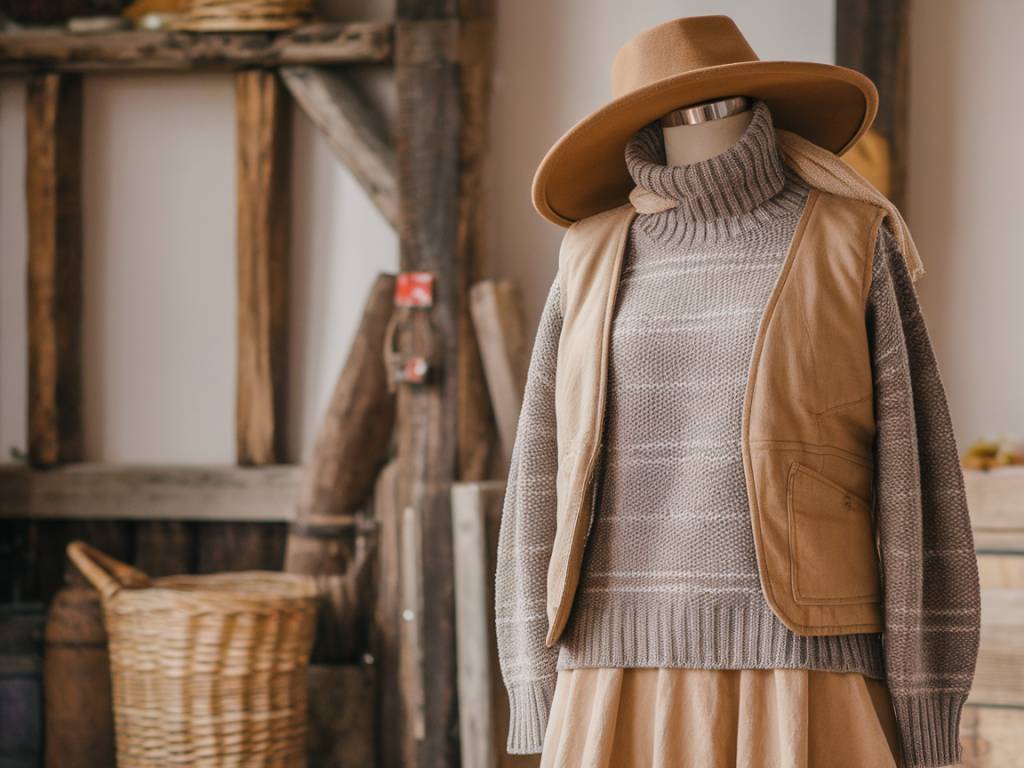
For an easy daytime look, pair ankle snow boots with slim or straight-leg jeans, a fine-knit jumper and a long padded coat. Let the hem sit neatly above the boot or tuck it in if the shape allows. Add a colourful scarf for warmth and a little contrast.
For a more polished outfit, wear streamlined boots with opaque tights, a knitted dress and a belted wool coat. Choose a pair with minimal hardware if you want the look to feel elegant rather than outdoorsy. On a casual weekend, chunky boots work beautifully with leggings, an oversized jumper and a practical crossbody bag.
Snow boots can also be a useful travel companion. They are often more comfortable than delicate shoes for a day of sightseeing, but check their weight and packability if luggage space is limited. Wearing your bulkiest pair on the journey can free up room in your case—provided they are comfortable enough for the trip.
Keep your boots looking their best
A little care can help winter footwear stay in good condition. Before wearing a new pair outdoors, follow the manufacturer’s advice on protective treatments. Brush dry dirt from suede with a suitable brush and use a product made for that material. Wipe smooth leather with a soft, damp cloth, then apply an appropriate conditioner when needed.
After a snowy walk, remove surface salt and slush promptly. Use a clean cloth and let the boots dry naturally, away from direct heat. If the lining is damp, loosen the laces or open the zip to improve airflow. Once dry, store the boots somewhere cool and ventilated, using boot shapers or clean paper to help them keep their shape.
Regularly check the soles, seams and fastenings for wear. Catching a loose lace hook or a small area of damage early may prevent a minor repair from becoming a bigger problem. Your boots will thank you—and your winter wardrobe will be ready for the next cold snap.
Make the choice that feels right for you
The best designer snow boots for ladies combine the features your weather demands with a style you are excited to wear. Start with warmth, grip and fit; then choose a shape and finish that make sense with your wardrobe. A good-looking boot should not need to be saved for perfect weather, and a practical one does not have to look plain.
Take your time, check the details and think about your real routine. When the temperature drops and the pavement turns icy, you will be glad you chose boots that feel as good as they look.