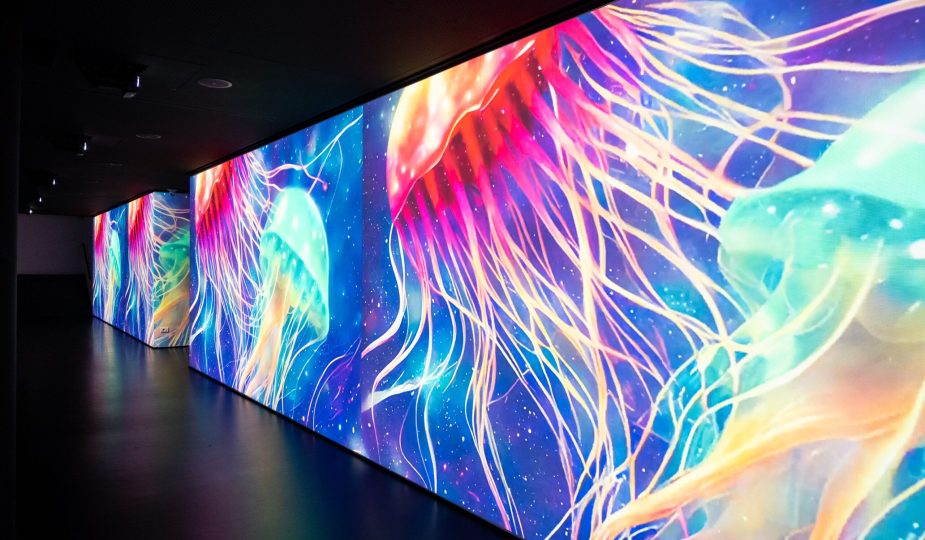
Art as medicine? That’s the provocative line the MEET Digital Culture Center in Milan is testing with its new pilot, Global Immersive Wellness. Over five Thursday mornings, the centre transforms immersive digital works into structured wellbeing sessions that combine sensory art, neuroscience and mindful movement. As a lifestyle editor who champions practical wellbeing, I’m intrigued: recent studies suggest cultural engagement can measurably reduce stress and even slow biological ageing. Here’s everything you need to know about the Milan experiment, why art might actually be good for your health, and how to bring a little of this logic into your own life.
What is Global Immersive Wellness?
Global Immersive Wellness is a five‑week programme at MEET that runs early each Thursday (7:30–8:20). Each 45‑minute session is a standalone experience combining immersive artworks with guided practices led by Stefano Tirelli, an expert in applied neuroscience and mind–body performance. Participants move through installations, practise breathwork and light movement, and engage in focused sensory listening. The format deliberately uses art not just to be looked at, but to be lived through the body — a shift from passive viewing toward embodied engagement.
The science behind the idea
Research increasingly shows that arts engagement affects mental and physical health on multiple levels. A review published in 2026 identified around fifty mechanisms — psychological, biological, social and behavioural — through which cultural engagement can improve mental health. Practical benefits observed across studies include lower cortisol (the stress hormone), improved mood, better social connection and measurable impacts on markers associated with biological ageing.
How much exposure is needed?
Surprisingly little. Studies suggest that even modest engagement — visiting two or three exhibitions a year — can reduce biological ageing markers by roughly 2%. More intensive, regular activities produce stronger effects. That’s why the MEET pilot, which offers weekly immersive encounters, is an important model: it tests whether short, structured encounters tied to movement and mindfulness can boost wellbeing beyond a simple exhibition visit.
Why immersive art might work better than a passive visit
Immersive works engage multiple senses and invite physical presence. This multimodal engagement:
These combined factors create a potent context for stress regulation and psychological resilience.
Who benefits most from arts‑based wellbeing programmes?
While everyone can gain from cultural engagement, particular groups may see the largest effects:
Are we heading toward “prescribable” culture?
There’s growing institutional interest. Recent agreements between health and cultural ministries in some countries envisage the formal use of culture as part of public health strategies. In practice this might mean doctors recommending museum visits or structured cultural sessions for patients with social isolation or mild mental health concerns — a concept already piloted in the UK, Canada and parts of Italy.
What does a session feel like?
Participants in the MEET format move slowly through immersive installations, following soft cues for breathing and gentle movement. The aim is not performance but attunement: noticing sensations, the interplay of light and sound, and the calming effect of focused attention. Each session explores a different dimension — perception, sensory integration, movement and mindful listening — building a cumulative effect over the five weeks.
How to try this at home (mini‑version)
Practical considerations and limits
Important caveats: while results are promising, long‑term evidence and standardised protocols are still developing. Not every artwork will produce the same effect — curation and facilitation matter hugely. Access remains an equity issue: to scale the health benefits of culture, programmes must be affordable and physically accessible.
The bigger picture
The MEET pilot exemplifies a shift in public health thinking: wellbeing is not only medical but cultural. If future trials confirm robust effects, museums and cultural centres could play a formal role in prevention and rehabilitation. For now, the takeaway is simple and practical: making time to engage with art — particularly in immersive, embodied ways — can be a gentle, enjoyable strategy to lower stress and nurture mental wellbeing.