
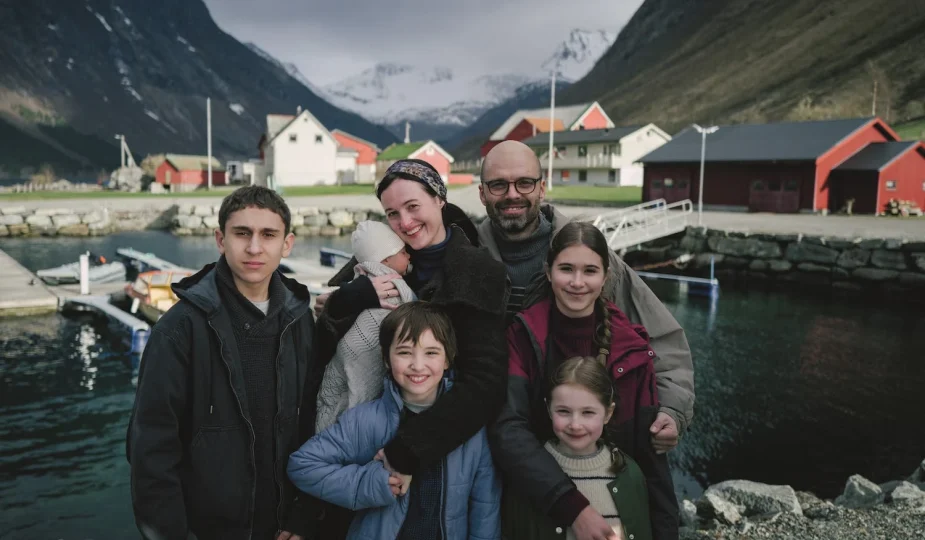
The 79th Cannes Film Festival has spoken: Cristian Mungiu’s Fjord takes the Palme d’Or, and the festival’s winners list reads like a manifesto for politically engaged, humanist cinema. For readers of Princess‑Daisy.co.uk who love film but also value the cultural conversations that movies can spark, Cannes 2026 was a reminder that great cinema can be both artistically rigorous and morally urgent. Below I unpack the most notable winners, highlight the trends shaping this year’s Croisette, and explain why these films matter beyond the red carpet.
Fjord — Palme d’Or: why this selection matters
Cristian Mungiu, already celebrated for the hard‑hitting 4 Months, 3 Weeks and 2 Days, wins again with Fjord — a film described as rigorous, political and deeply human. Mungiu’s work tends to interrogate intimate moral choices under broader societal pressures, and Fjord is no exception: its focus on family, social fractures and the small acts that either enable or resist radicalisation makes it an especially timely pick. Cannes rewarded restraint and moral clarity this year — films that ask difficult questions rather than offering easy answers.
Big winners and a distinctly European tilt
The Grand Prix went to Minotaur by Andrey Zvyagintsev, an exilic Russian director whose work often examines power and corruption. That a filmmaker who has become a critical voice in exile receives such recognition amplifies the festival’s political tone. The Best Director prize was awarded ex aequo — a rare decision — to Pawel Pawlikowski for Fatherland and to the Spanish duo Javier Calvo & Javier Ambrossi for La bola negra. This split honours both minimalist, poetic cinema and more flamboyant, ambitious storytelling, signalling Cannes’ openness to different formal languages.
Performances that linger
Acting prizes were shared in ways that underline the festival’s thematic concerns. The Best Actor award was given jointly to Emmanuel Macchia and Valentin Campagne for Coward, a film about soldiers and love set against the backdrop of the First World War — an intense recognition of youthful vulnerability and courage. The Best Actress prize was shared by Virginie Efira and Tao Okamoto for their roles in Hamaguchi Ryusuke’s All Of A Sudden (Soudain), highlighting the potency of ensemble and relational performance.
New voices and the Caméra d’Or
Cannes continues to be a launchpad for fresh talent: the Caméra d’Or for best debut went to Ben’ Imana by Marie‑Clémentine Dusabejambo, showcased in Un Certain Regard. This demonstrates the festival’s commitment to diversifying the cinematic conversation with stories and makers from a wide range of geographies and perspectives.
Recurring themes: history, responsibility, empathy
Across the winners, a common thread emerges: films that engage with historical trauma, state power and individual responsibility. Whether through allegory (Minotaur), intimate family drama (Fjord), or wartime love stories (Coward), the works recognised at Cannes 2026 invite viewers to reflect on moral choices in turbulent times. This makes the festival feel less like celebrity spectacle and more like a cultural forum where cinema’s civic role is foregrounded.
What this Cannes edition means for audiences
For cinephiles and casual viewers alike, the 2026 palmarès offers a rich slate of films that reward attention and reflection. These are not lightweight festival fare; they demand engagement. For women readers in particular — many of whom value storytelling that centres relationships, moral complexity and emotional truth — Cannes 2026 delivers films that resonate on a human level while remaining artistically accomplished.
Practical viewing guide: what to watch first
Why Cannes still matters
Beyond the glamour, Cannes remains crucial because it sets cultural agendas: festival choices affect distribution, awards season trajectories, and, importantly, which stories get amplified. Cannes 2026’s tilt toward politically engaged European cinema suggests that festivals can still champion films that aim to shape public conversation. For readers who love thoughtful cinema, this year’s selection offers both urgency and depth — films that linger in the mind and spark conversations long after the credits roll.