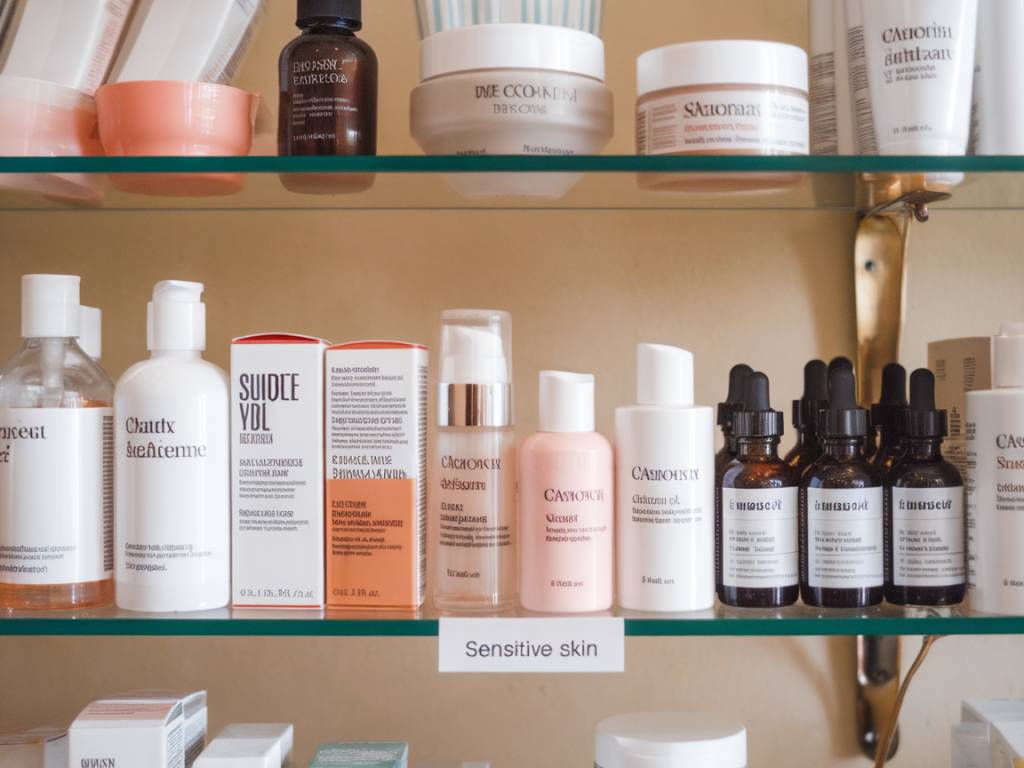
If you’ve got sensitive, reactive, or easily irritated skin, azulene could be the soothing ingredient your routine has been missing. This gentle, blue‑tinged compound—most commonly derived from chamomile—is making waves in K‑Beauty and beyond for its calming, anti‑inflammatory properties. Here’s a friendly, practical guide to what azulene is, why it’s trending, who should try it, and how to add it to your skincare lineup without drama.
What is azulene and where does it come from?
Azulene is a naturally occurring aromatic compound with a characteristic deep blue hue. In cosmetics, it’s typically obtained from chamomile (particularly German chamomile) or other plants rich in sesquiterpenes. Historically prized for its soothing qualities, azulene has become a favourite in Korean skincare for formulations aimed at redness reduction, calming irritation, and comforting delicate skin.
Why beauty editors and dermatologists are talking about it
Azulene’s appeal comes from a few key, evidence‑backed actions:
For those who battle rosacea‑like redness, post‑treatment sensitivity, or simply the daily toll of pollution and stress on the skin barrier, azulene can be an effective ally.
Which skin types should try azulene?
Azulene is especially beneficial for:
However, if you have a history of multiple cosmetic allergies or a diagnosed inflammatory skin disease (severe eczema, active rosacea flare requiring prescription treatment), it’s wise to check with a dermatologist before adding new actives.
How azulene is presented in products
Azulene appears in a variety of textures. Choose based on your needs and tolerance:
How to use azulene in your routine
For best results, integrate azulene thoughtfully rather than piling multiple new products at once. A simple starter routine might look like this:
Use azulene products daily if your skin tolerates them, or as a targeted rescue after irritants or procedures.
Best ingredient matches — what pairs well with azulene?
Azulene works beautifully alongside other calming and barrier‑strengthening ingredients:
What to avoid pairing with azulene
While azulene is soothing, it’s best not to introduce it simultaneously with strong exfoliants or high‑strength actives if your skin is already reactive. Examples include:
Shopping tips — what to look for on the label
When selecting an azulene product:
Price range and where to start
Azulene is available across price points — from affordable K‑Beauty mists and serums to premium dermo‑cosmetic creams. If you’re trying it for the first time, a mid‑range mist or serum is a low‑commitment way to test tolerance and effect before investing in pricier treatments.
Patch test and how to monitor results
Always patch test a new azulene product behind your ear or on the inner forearm for 48 hours if you have particularly reactive skin. Look for:
Rescue moments and everyday use
Azulene excels as a rescue actives: after a day in the sun, post‑waxing, or following a home peel, a hydrating azulene mist followed by a barrier‑repair cream can quickly restore comfort. For daily care, incorporate a gentle azulene serum or moisturiser into your morning or evening routine to keep sensitivity in check.
For readers of Princess‑Daisy.co.uk, azulene represents a clever, modern way to gift the skin calm without sacrificing elegance or sensorial pleasure. It’s a welcome addition to any skin‑soothing toolkit and well worth exploring if redness, sensitivity or post‑treatment irritation is part of your skincare story.