Why mosquitoes bite some people more than others — and what you can do about it
It’s a familiar summer scene: friends gathered on a terrace, laughter, drinks — and you’re the only one who looks like you’ve been peppered with bites. If you’ve ever wondered why mosquitoes seem to favour some people over others, the answer lies in a combination of biological signals and environmental factors. Understanding what attracts these pests can help you reduce your chances of being bitten and enjoy the season without constant itching.
The three signals mosquitoes follow
Female mosquitoes, the ones that bite, are on a mission: they need the proteins in blood to develop eggs. To find a meal, they rely on a triad of cues from potential hosts — carbon dioxide (CO2), body heat and humidity, and skin odours produced by our microbiome.
Carbon dioxide (CO2): the long‑range beacon. Mosquitoes detect CO2 from several metres away. Every breath you take produces a plume of CO2 that signals your presence. Adults exhale more CO2 than children, which partly explains why grown‑ups may attract more bites. This cue triggers the mosquito’s host‑seeking behaviour and helps it home in on you.
Body heat and moisture: Mosquitoes are drawn to warm, humid surfaces. Exercise, fever, pregnancy and a higher metabolic rate all increase heat and CO2 output, making some people temporarily or chronically more appealing. That’s why pregnant women, who breathe more and produce more heat, are often bitten more frequently.
Skin odours and the microbiome: This is a crucial piece of the puzzle. Our skin hosts a complex ecosystem of bacteria that break down sweat and other secretions, creating volatile chemicals — lactic acid, ammonia, certain acids — that mosquitoes smell. The specific composition of someone’s skin microbiota can produce odours especially attractive to these insects. In short, it’s not “sweet blood” but your unique skin chemistry that often makes you a target.
Other factors that influence attractiveness
Beyond those core signals, several additional factors can make a person more bite‑worthy.
Blood group: Some studies suggest people with blood type O may be more attractive to mosquitoes, while type A might be less so. This research is not definitive, but it’s one more element in the complex mix.
Body size and metabolism: Larger individuals generally emit more heat and CO2, increasing their appeal. Similarly, anyone who’s been exercising becomes a temporary magnet due to elevated temperature and CO2 output.
Clothing colour and contrast: Mosquitoes use sight at short range. Dark clothing can attract them more than light colours — think black or navy rather than pale shades.
Alcohol consumption: Some studies associate beer and alcohol intake with increased attractiveness to mosquitoes, possibly because of subtle changes in body odour and blood chemistry.
Practical ways to reduce bites
Good news: there are many effective, evidence‑based strategies you can adopt to lower your risk of being bitten.
Use an appropriate repellent — DEET, picaridin or IR3535 formulations are proven and effective. Apply according to instructions, and reapply as needed, especially after swimming or sweating.
Wear lighter colours and long sleeves in peak mosquito hours (dawn and dusk). Loose, breathable fabrics provide a physical barrier without making you uncomfortably hot.
Limit strenuous activity at dawn/dusk if you know you’re particularly attractive to mosquitoes.
Remove standing water around your home — bird baths, plant saucers, buckets and clogged gutters are prime mosquito breeding sites.
Use fans or air conditioning on patios or verandas; the airflow disrupts the mosquitoes’ ability to detect CO2 and heat.
Consider spatial repellents or traps for outdoor gatherings — these can reduce local mosquito numbers but should be used as part of integrated management.
Treating bites safely
Clean the area with soap and water, then apply a cold compress to reduce swelling.
Topical antihistamine creams or hydrocortisone 1% can ease itching; oral antihistamines help if the reaction is widespread.
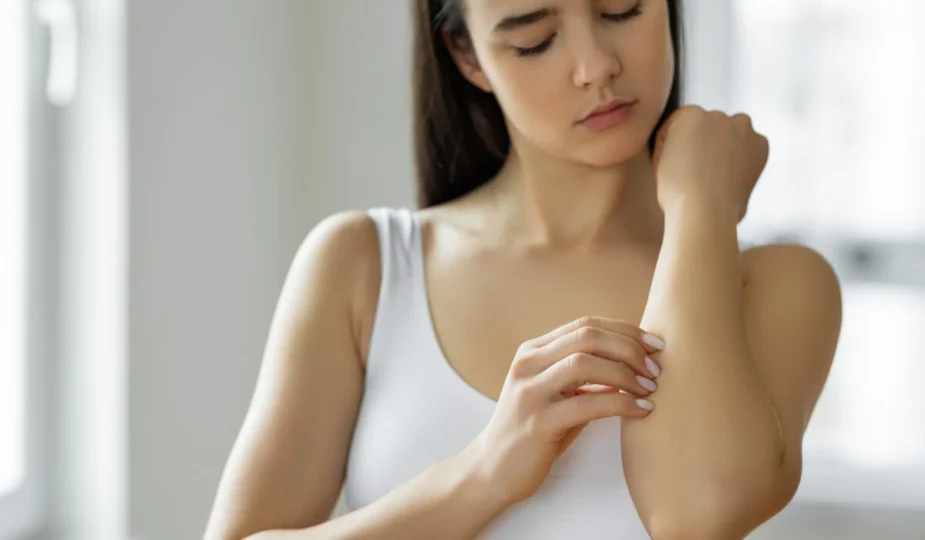
Avoid scratching to reduce the risk of secondary bacterial infection. If signs of infection occur — increasing redness, warmth, pus — seek medical advice.
When to worry
Most mosquito bites are merely irritating. However, if you develop severe swelling, difficulty breathing, or any systemic symptoms following a bite, seek emergency care. Also be mindful of regional mosquito‑borne illnesses (dengue, chikungunya, West Nile, malaria in certain areas) and consult a healthcare professional if you develop fever or unusual symptoms after travel.
Final notes — prevention is the best policy
Target the biology: reduce CO2 and heat cues when possible, and use repellents strategically.
Think beyond yourself: community measures to reduce breeding sites are powerful and protect everyone.
Combine approaches for best results: clothing, repellents, environmental control and smart timing make a real difference.
Understanding why mosquitoes prefer certain people empowers you to make smarter choices. With a few practical habits and a little planning, you can enjoy summer evenings with far fewer itchy reminders.