
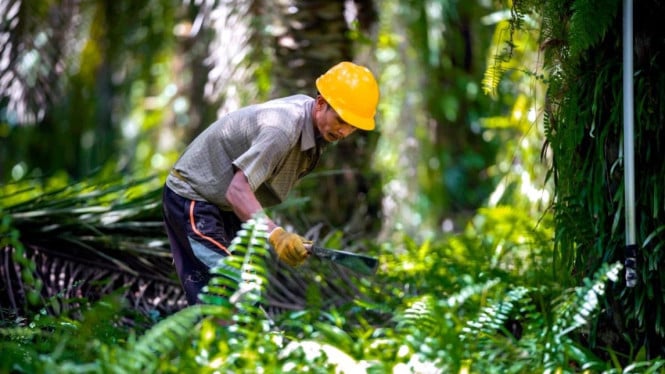
Investing in people, not just plantations: that’s the message emerging from Indonesia’s recent push to strengthen human resources in the palm oil sector. As the industry faces mounting pressure to improve sustainability, traceability and productivity, attention is turning to the farmers, technicians and local managers who operate at the front line. The Badan Pengelola Dana Perkebunan (BPDP) is positioning itself as a central actor in this effort — funding training, scholarships and research aimed at leveling up skills across major producing regions.
Why skills equal sustainability
Palm oil production today is no longer just manual labour. Modern plantation management demands knowledge of integrated pest management, soil science, mechanised harvesting techniques and data‑driven traceability systems. Without a workforce that can adopt best practices and new technologies, productivity plateaus and environmental impacts tend to worsen. Improving competencies across the board is therefore both an economic and ecological priority.
What BPDP is doing — and where it can improve
BPDP has rolled out a mix of interventions: vocational training, targeted scholarships, and partnerships with universities and research centres. These programs have already reached tens of thousands of participants through technical courses and higher‑education initiatives. But stakeholders interviewed in recent statements urge a stronger focus on evaluation and targeting to ensure resources reach the most critical nodes — smallholders and remote communities that struggle to access training.
Which skills matter most
Evidence of impact — numbers and gaps
According to BPDP figures cited in sector communications, by 2025 close to 29,263 participants attended training sessions and 13,265 benefitted from education or scholarship programmes; nearly 3,910 students graduated from partner institutions. These are promising totals, yet experts caution that raw numbers do not reveal geographic distribution, quality of instruction or long‑term adoption rates on farms. A continuous monitoring framework with clear KPIs would bridge that information gap.
Designing programmes that work on the ground
Practical, locally adapted training increases uptake. Short, modular courses delivered in regional hubs — coupled with mobile training units reaching remote villages — help more farmers convert knowledge into practice. Equally, embedding on‑farm demonstration plots multiplies learning: seeing a fertilisation or pruning technique succeed on a neighbour’s plot is a powerful motivator.
Universities and research partners: raising the bar
Partnerships with reputable universities and applied research centres are a recurring theme. Such alliances ensure curricula reflect cutting‑edge agronomy, agroecology and digital tools, while providing accreditation that enhances employability. The sector needs these qualified graduates to staff agronomy extension services, cooperatives and commercial operations.
Inclusion matters: women and youth
Upskilling must be inclusive. Women and young people are often underrepresented in formal training, yet they play crucial roles in smallholder households and community trade networks. Programmes that remove time, cost and cultural barriers — offering childcare during sessions, evening classes, and gender‑sensitive outreach — unlock talent and strengthen resilience in rural economies.
From training to markets: turning skills into income
Measuring success — recommended indicators
Risks to anticipate
Scaling training rapidly risks diluting quality. Short‑term workshops may raise awareness but won’t deliver lasting practice change without follow‑up coaching and peer networks. Moreover, without market incentives or financing, even a skilled farmer may lack resources to implement improvements. Thus, training must be integrated into a broader support ecosystem — finance, supply chain partnerships and extension services.
Policy levers and practical next steps
Indonesia’s palm sector stands at an inflection point: technological change and sustainability demands create both pressure and opportunity. By prioritising an equitable, high‑quality approach to human capital development, BPDP and partners can help transform local capacities into competitive advantage — boosting productivity, opening markets and supporting a greener trajectory for communities that depend on palm oil for their livelihoods.