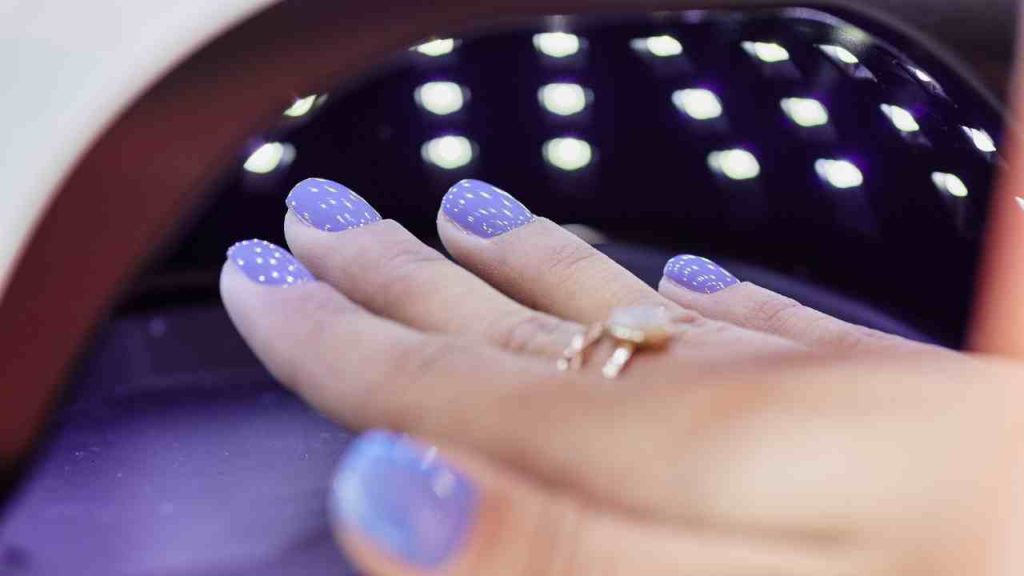
Your nails are ruined by gel? The one salon secret that can save them — and how long you really must stop

We all love the instant polish and flawless finish of gel and semi‑permanent nails — but constant appointments every three weeks can take a real toll on the natural nail. When removal is rushed or poorly executed, layers of the nail plate are literally stripped away. Repeated cycles of application and removal gradually thin and weaken the nail so that, when the enhancements are finally removed, the natural nails look like tissue paper. That delicate, flaking nail is not a condemnation, it’s a warning sign: time to stop and repair.

How often should you pause — and for how long?

There’s no one‑size‑fits‑all rule, but nail experts agree on one principle: nails need breathing time. The best strategy is nail cycling — alternating periods of wearing enhancements with deliberate recovery phases. If your nails are healthy, you can maintain regular treatments, but at the first signs of fragility (thinning, splitting, severe ridging), it’s time to take a break.

Recovery time depends on the level of damage:

  • Mild weakening: 10–15 days of rest can be enough for the nail to recover noticeably.
  • Moderate damage: 1–2 months of uninterrupted care and avoidance of acrylics/gel is often required.
  • Severe damage due to aggressive filing or improper removal: full regrowth may be necessary, which can take 3–6 months for a complete nail plate renewal.
  • What to do during the break (and how not to lose your mind)

    A pause doesn’t mean neglect. On the contrary, it’s the perfect time to pamper and rebuild your nails with targeted treatments:

  • Use nourishing oils daily — jojoba, sweet almond or castor oil — massaged into the nail plate and cuticles to restore hydration and flexibility.
  • Apply strengthening polishes and serums formulated with keratin, proteins, or panthenol to add temporary support and promote resilience.
  • Moisturise hands and cuticles with rich creams, ideally containing urea or ceramides to repair the skin around the nail.
  • Consider a gentle exfoliation with low‑concentration glycolic acid to remove dead cells and encourage healthier surface regrowth (but avoid over‑exfoliation).
  • How to remove gel/semi‑permanent safely

    The most damaging thing you can do is peel or pick off your enhancements. That rips layers of the nail away and can cause lasting, sometimes irreversible thinning. Always have removal done professionally whenever possible. If you must remove at home, follow a safe method:

  • File the surface lightly to break the seal (don’t over‑file).
  • Soak cotton pads in acetone, apply them to each nail, and wrap in foil for the recommended time — then gently remove residue. Never pry or scrape aggressively.
  • If you’re desperate for colour — low‑damage options

    It’s understandable: many of us feel naked without a polished set. There are lower‑impact options while you give your nails a break:

  • Use a regular nail polish (not enhancements), ideally one fortified with strengthening actives.
  • Choose a sheer or clear semi‑permanent applied with a gentler prep and a minimal visible bevel — some technicians can use a less aggressive buffer to preserve nail thickness.
  • Try breathable or water‑permeable nail systems marketed as less damaging — evaluate results cautiously and ask about removal methods.
  • Signs that you need professional help

    Certain symptoms warrant a visit to a dermatologist or an onychologist rather than self‑care:

  • Persistent splitting, severe thinning or detachment of the nail plate.
  • Pain, redness, pus or signs of infection around the nail fold.
  • Nail deformities that don’t improve after a few weeks of rest and home care.
  • Prevention: smarter salon habits

  • Limit frequent enhancements — schedule a recovery month after several cycles.
  • Choose a reputable technician who prioritises gentle filing, correct product use and safe removal protocols.
  • Insist on hygienic practices and ask about the products used — avoid harsh chemical mixes or improvisation.
  • Keep up daily maintenance at home: hydration, cuticle care and a strengthening regimen.
  • Accepting a pause may feel like a sacrifice, but it’s a little investment for long‑term nail health — and ultimately for more consistent, beautiful results when you return to your favourite polish. When your nail tech asks if you want a break, remember: saying “yes” now could save you months of fragility later.

    Exit mobile version