
Vietnam: why this lotus‑land is the must‑visit destination for your next trip
Vietnam has quietly become one of Asia’s most irresistible travel destinations. From the otherworldly karst towers of Ha Long Bay to the bustling streets of Hanoi and the fragrant waterways of the Mekong Delta, the country offers a heady mix of history, nature and culture that appeals to every kind of traveller. The lotus, which rises pristine from murky waters, is an apt symbol for Vietnam: resilient, graceful and quietly powerful. In 2026 the world has noticed — arrivals are up, air links are expanding, and the country’s tourism offer feels more polished and diverse than ever.
When to go and how to plan
Timing depends on where you want to go. The north (Hanoi, Ha Long Bay) shines in spring and autumn when temperatures are mild and skies are clearer. The central region (Hue, Hoi An) can be best in late winter and spring, while the south (Ho Chi Minh City and the Mekong) is warm year‑round, though wetter in the monsoon months. Direct flight options have improved, making travel from Europe easier — and internal flights, trains and efficient overnight journeys help you cover large distances without wasting time.
Hanoi: a captivating city of contrasts
Hanoi is a study in juxtapositions: colonial architecture sits beside busy street markets, and centuries‑old temples share space with hip cafes. The Old Quarter, with its narrow alleys and vibrant food stalls, is perfect for aimless exploration. Don’t miss the Temple of Literature — a serene complex founded in the 11th century — or the haunting Ho Chi Minh Mausoleum. The city’s coffee culture is a revelation too; try the indulgent egg coffee, a creamy, slightly sweet concoction unique to Vietnam.
Ha Long Bay: nature at its dreamiest
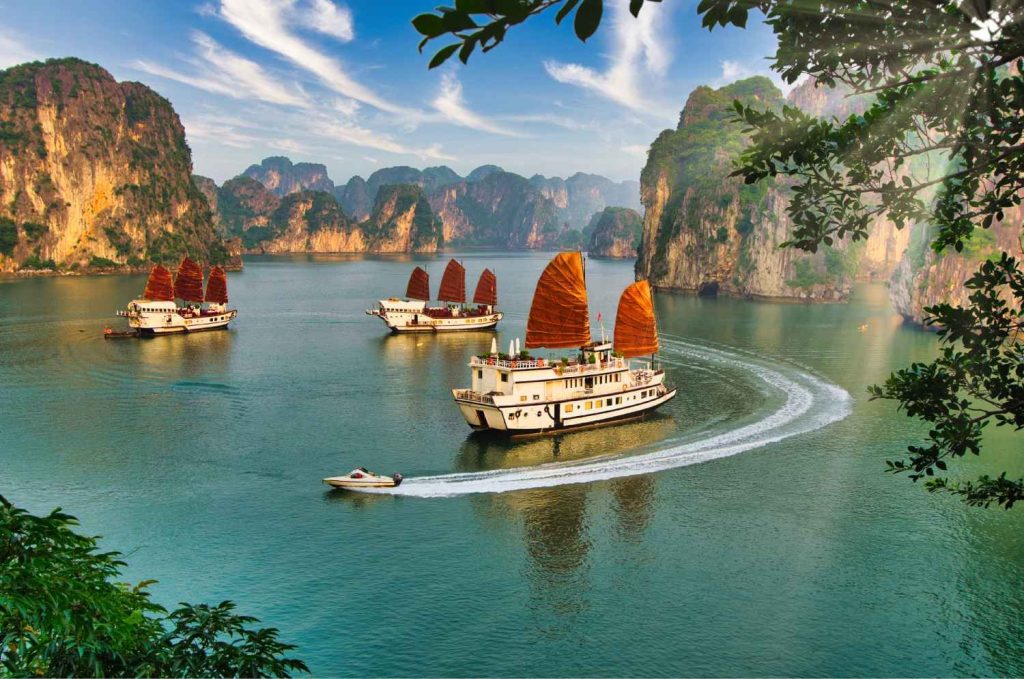
Ha Long Bay is pure spectacle: nearly 2,000 limestone islands rise from jade water, providing an almost surreal landscape worthy of a postcard on repeat. A boat cruise (even an overnight option) is the classic way to experience it — paddle through hidden grottoes in a kayak, watch sunrise over the karsts, and savour the quiet that falls over the bay at dawn. It’s a photographer’s dream and a truly memorable slow‑travel experience.
Hue and its imperial legacy
Hue, once the imperial capital, is a must for history lovers. The Citadel — a vast UNESCO site — unfolds across concentric rings of palaces, temples and gardens. Walking through its restored courtyards brings the country’s past into sharp focus. Nearby royal tombs, like the eclectic Khai Dinh Mausoleum, reveal a surprising blend of Vietnamese and European decorative styles.
Hoi An: timeless charm and craftsmanship
Hoi An is the kind of place that lingers in memory: lantern‑lit evenings, narrow streets, and an artisanal heart. Once a bustling trading port, today it’s revered for its preserved architecture and tailoring tradition — a great spot for bespoke silk pieces and handcrafted souvenirs. The Japanese covered bridge and riverside cafes make it wonderfully romantic and endlessly walkable.
Ho Chi Minh City (Saigon): energy and history
Head south to Ho Chi Minh City and you’ll find a different rhythm: skyscrapers meet colonial relics, and local markets buzz beneath neon signs. Ben Thanh Market is a sensory carnival; the Reunification Palace offers sobering reminders of the recent past. From here the Mekong Delta is a short hop — prime territory for waterways, floating markets and lush agricultural landscapes.
Mekong Delta: sensory travel on water
Glide through the delta’s canals on a sampan, visit floating markets where produce is traded from boats, and stay in family‑run homestays that open a window onto rural life. The delta is a place to slow down, sample fresh tropical fruits and watch local life unfold at a gentle pace.
Food: one of Vietnam’s greatest pleasures
Vietnamese cuisine is a huge part of the country’s charm. Start the day with a steaming bowl of phở, sample bánh mì from a street stall, and sip a strong egg coffee in the afternoon. Street food is often the best way to taste authentic flavours — choose busy stalls to ensure freshness. The balance of herbs, broths and textures is exquisite, and the culinary variety across regions will surprise even seasoned foodies.
Practical tips and where to stay
Accommodation ranges from boutique heritage hotels in Hoi An to luxury cruise options in Ha Long. Recommended bases include central hotels in Hanoi’s Hoan Kiem district, romantic riverside retreats near Hue, and lively rooftop hotels in Ho Chi Minh City.
Shopping and souvenirs
Why Vietnam now?
Stronger air links, a refreshed tourism infrastructure and an embrace of responsible travel make Vietnam a top contender for 2027 itineraries. Whether you crave nature, history, food or culture, the country serves a potent mix — and does so with warmth. For visitors who want an immersive, diverse and ultimately uplifting travel experience, Vietnam delivers in spades. Pack a curious mind, an appetite for new flavours and a sense of wonder — you’ll leave changed for the better.