
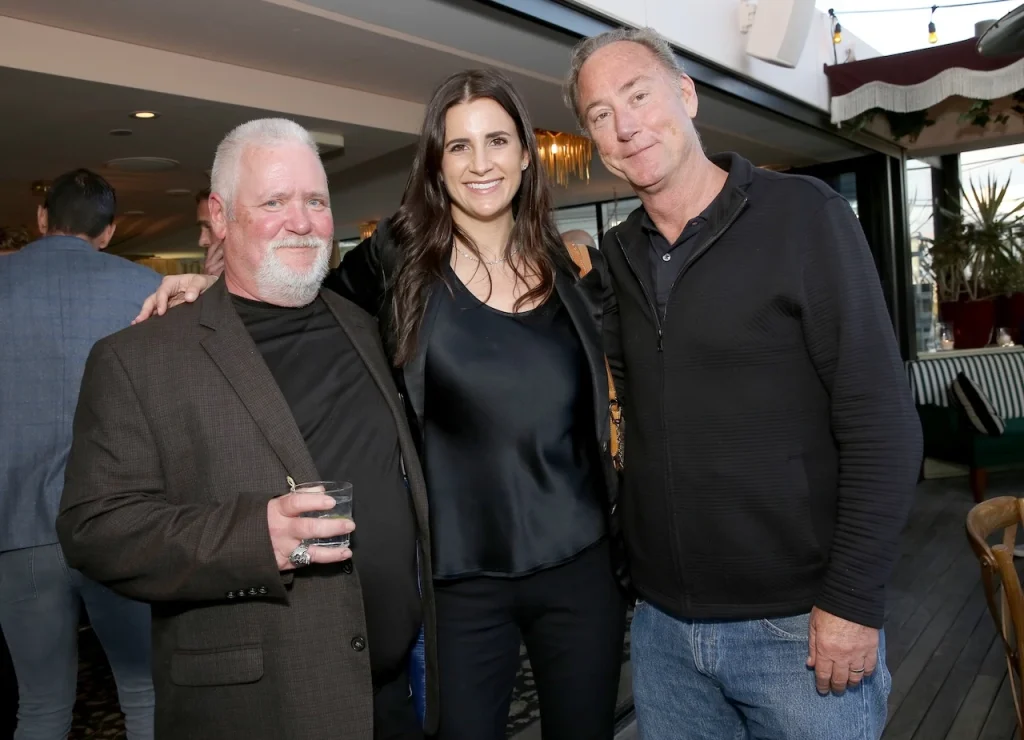
Francesca Bodie: the woman reshaping Venezia into a luxury sport‑lifestyle brand
Francesca Bodie’s appointment as president of Venezia FC marks a striking moment in football — she is the first woman to lead the club in over a century — but this story is much more than symbolism. With experience gained in North American arena management and the backing of high‑profile partners like Drake, Bodie arrives with a bold plan: transform a historic club into a global lifestyle brand that blends sport, culture and luxury hospitality.
From Lake Como to global arenas
Bodie’s roots are Italian, but her career has been shaped abroad. Raised near Lake Como, she built her expertise in the United States, notably at Oak View Group. There she supervised the development and management of major arenas in cities such as Seattle and New York — projects that require coordinating complex budgets, stakeholder diplomacy and large‑scale event operations. Those transferable skills are central to her brief in Venice: mobilise investment, professionalise operations and produce experiences that go beyond 90 minutes of football.
A $100 million vision and a celebrity ally
Central to the new strategy is a major fundraising initiative — reportedly around €100 million — in which Drake has played a notable role. The rapper’s involvement is not simply a PR stunt; it’s a strategic alignment that brings cultural capital, media reach and access to lifestyle partnerships. Bodie has been credited with structuring the fundraising and winning Drake’s trust, positioning him as a partner who can elevate the club’s brand on a global stage.
Three pillars of the strategy: sport, experience, brand
Bodie’s plan appears to rest on three interlocking pillars. First, sporting competitiveness: stabilise the squad, invest in recruitment and youth development to build sustainable performance. Second, the experience economy: transform match days into premium events that combine hospitality, entertainment and local culture — appealing to locals, tourists and international visitors alike. Third, brand development: evolve Venezia into a lifestyle label, with merchandising, curated cultural programmes and collaborations that reflect Venice’s unique heritage and an upscale aesthetic.
Why this matters for women in sport
On a symbolic level, Bodie’s presidency is a milestone for gender representation in football leadership. It demonstrates that women with international experience and commercial savvy can now access top roles traditionally held by men. Beyond the symbolic, her leadership could inspire structural change: more women in decision‑making positions, more diversity in boardrooms and a broader conversation about what modern football governance should look like.
Balancing ambition and authenticity: the risks
Ambition brings risk. Bodie must carefully balance global brand ambitions with the club’s local identity and fan base. Venice’s supporters cherish the club’s regional roots and cultural ties; any heavy commercialisation could alienate loyal fans. Financially, converting a historic club into a luxury lifestyle asset requires prudent management — overspend or misjudged investments could harm long‑term stability. Finally, turning match days into premium events must not undermine the sporting core: fans expect results on the pitch as well as spectacle off it.
Early signs to watch
In the coming months, there are key indicators that will reveal whether Bodie’s strategy is deliverable: the completion and allocation of fundraising, early announcements of partnerships and cultural collaborations, changes to the stadium experience, and of course the team’s performance. How she navigates local stakeholders — from long‑term supporters to city authorities — will also be telling.
What this means for lifestyle and fashion audiences
For our readers, Bodie’s vision represents a fascinating crossover opportunity: football as a platform for fashion, beauty and lifestyle experiences. Expect collaborations with designers, curated hospitality packages, limited‑edition collections and cultural activations that make matches a destination in themselves. This is a model that could reshape how we think about sports events — not just as competitive fixtures but as immersive brand experiences.