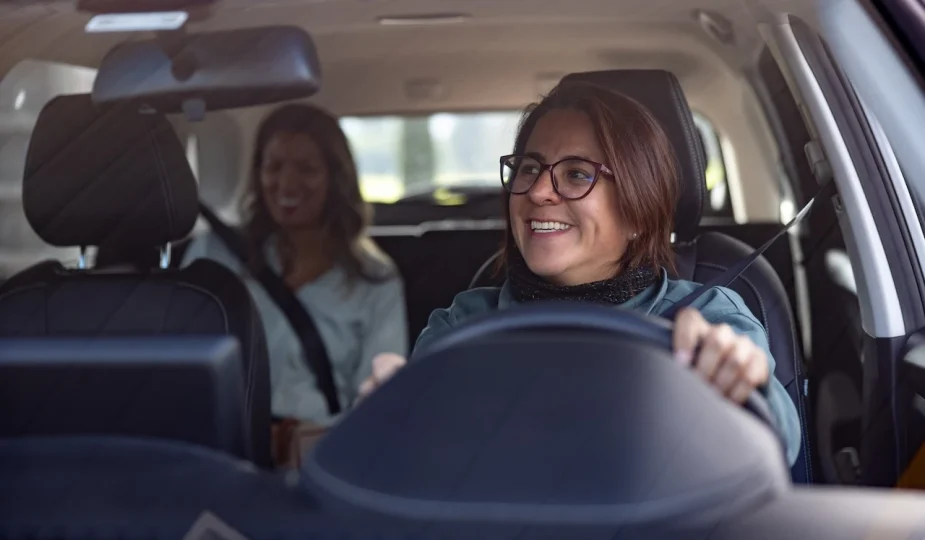
Uber’s new “Women preferences” feature—letting riders and drivers choose to match only with people of the same gender—arrives wrapped in good intentions: a pragmatic-sounding tool to reduce the fear many women feel when travelling alone, especially at night. Yet beneath the surface, this well‑meaning tweak reveals uncomfortable truths about who has been tasked with solving public safety and how. As a feature on a private app, it is a bandage rather than a cure: it shifts responsibility onto individuals and platforms instead of addressing the social, infrastructural and policy failures that make journeys home feel unsafe in the first place.
Why the feature resonates — and why it’s not enough
For many women, the option to request a same‑gender driver offers immediate reassurance. After a late shift, a night out, or during a vulnerable moment, small margins of additional safety feel crucial. Anecdotally and in surveys, many women say they would feel calmer sharing a ride with another woman. That’s real and valid.
But as an industry observer—and someone who covers lifestyle and wellbeing—I’m wary of solutions that make safety a product feature rather than a public good. The need for a “women‑only” filter speaks to a larger failure: cities, transport systems, judicial responses and social norms have not made public spaces reliably safe for everyone. When private companies design workarounds instead of demanding or helping build systemic fixes, we risk normalising patchwork safety and accepting it as sufficient.
Practical limitations and unintended consequences
What women really need (beyond app filters)
There are practical, structural measures that would have more impact than a gender filter. They require investment and political will, but they build safety for everyone without partitioning the city by gender:
How platforms could do better
Uber and similar companies are in a unique position: they control the tools millions use daily. They should use that power to demand systemic changes rather than offering segmented fixes. That could mean co‑funding late‑night transport services with city councils, investing in public safety infrastructure, subsidising driver training on safety and de‑escalation, and providing transparent, independent audit trails for incidents.
What riders can do right now
A social challenge, not a product fix
Ultimately, “Women preferences” reads like an admission: the city and society have not yet delivered a baseline of safety for everyone. Technology can and should help—but as part of a broader strategy. Relying on private filters lets responsibility drip down to individual users, often those already vulnerable, while absolving public institutions of the duty to act at scale.
For readers of Princess‑Daisy — who value practical, stylish and empowered living — the takeaway is clear. Use the feature if it makes you feel safer, but also insist on better public provision. Advocate for buses that run late, for brighter streets, for legal systems that prosecute harassment, and for transparency from platforms about how they protect riders. Safety should not be a selectable preference; it should be a guaranteed baseline of modern city life.