
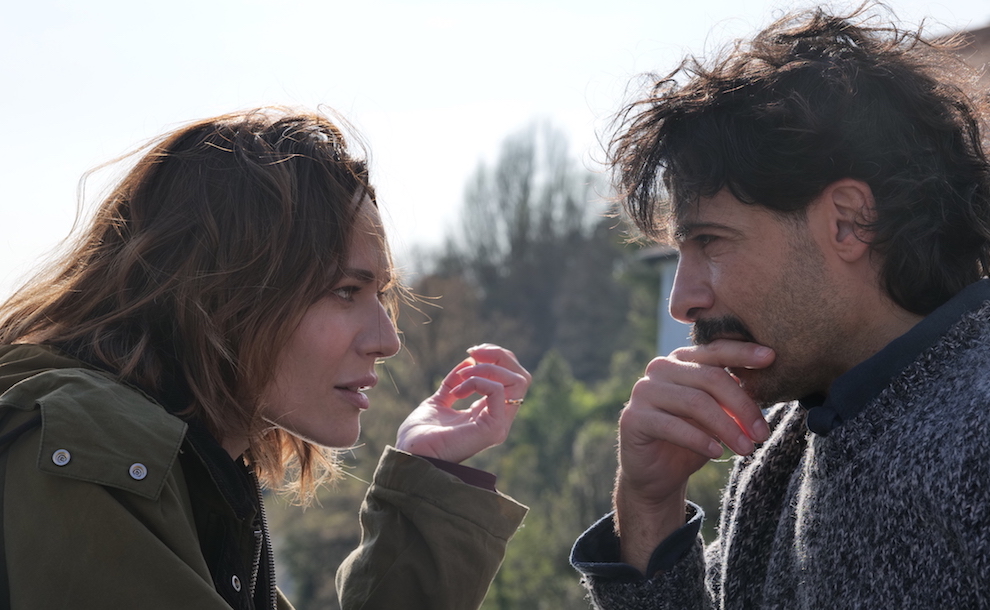
“Se fossi te”: Laura Chiatti and Marco Bocci swap lives in a heartwarming Christmas body‑swap mini‑series
Italian TV has gifted us a tender, crowd‑pleasing mini‑series for the festive season. “Se fossi te” (If I Were You) airs on Rai 1 and RaiPlay, pairing real‑life couple Laura Chiatti and Marco Bocci on screen for the first time. Directed by Luca Lucini and Simona Ruggeri, the show uses the classic body‑swap device to explore empathy, class divides and what happens when we’re forced to truly walk a mile in another person’s shoes.
Setup: a miracle that changes everything
The premise is charmingly simple and loaded with emotional stakes. Valentina (Laura Chiatti) is the affluent manager at her father’s panettone factory, living a comfortable but fractured life with an unfaithful husband and a rebellious son. Massimo (Marco Bocci) is a hard‑working factory worker, struggling to provide for his children after the death of his wife. The company where both work, Sangiorgi, is in crisis and layoffs loom. On a day heavy with personal anniversaries and grief, a mysterious event swaps their bodies, thrusting each into the other’s daily reality.
Why the body swap works here
Body‑swap stories can be played as farce or as moral parable. “Se fossi te” keeps one foot in both camps, delivering moments of comic embarrassment — the fish‑out‑of‑water scenes where Valentina wrestles with industrial machinery and Massimo struggles with high‑society etiquette — while never losing sight of the deeper social and emotional commentary. The device enables real, dramatic empathy: when a manager must feel the physical strain of manual labour and a worker experiences the hollow comforts of wealth, both are forced to question their assumptions and their responsibilities.
Performances: real couple chemistry brings authenticity
The casting of Chiatti and Bocci together is a stroke of authenticity. Their off‑screen relationship gives scenes a textured realism: the initial awkwardness of performing intimate or vulnerable moments is offset by the genuine warmth and rapport they share. Bocci has admitted to feeling “naked” acting opposite his wife, but that vulnerability translates into powerful, honest performances. Chiatti’s portrayal of Valentina — initially polished, defensive and fearful of exposure — softens beautifully as she learns the value of hands‑on work and genuine human connection.
Supporting cast and emotional cores
The mini‑series anchors its emotional stakes in believable supporting characters. Massimo’s father, Oscar (played by Nino Frassica), adds a grounded, generational perspective on labour and family duty, while the children on both sides of the swap embody the personal consequences of adult choices. The subplot involving Massimo’s son Pietro and his heart condition raises the stakes dramatically: the urgency of fundraising for surgery turns the body swap into more than a social experiment — it becomes a lifeline for a family under pressure.
Thematic threads: work, privilege and understanding
At its heart, “Se fossi te” interrogates notions of dignity, labour and privilege. By transposing two characters across class lines, the series examines how workplaces can dehumanise people and how wealth can isolate them. The narrative suggests that empathy is not a passive sentiment but a skill learned through experience. The series avoids heavy‑handed lectures: instead it opts for character‑driven revelations, letting viewers witness gradual transformation rather than preaching about social justice.
Tonality and festive spirit
“Se fossi te” is perfectly pitched for a holiday audience. It combines warmth, humour and emotional clarity in a way that feels comforting rather than saccharine. The festive backdrop amplifies themes of family, second chances and reconciliation, while the body‑swap gags provide levity. Moments of tenderness — a shared meal, a quiet confession, an unexpected act of support — feel earned and resonate well with viewers looking for heartfelt television during the holidays.
Why it matters for viewers — and what to watch for
The mini‑series offers something for a broad audience: easy laughs, touching moments, and social reflection made accessible. For viewers, the pleasures include:
Pay attention to the craft in everyday scenes — the factory sequences that are filmed with tactile realism, and the quieter domestic moments that reveal character through small gestures. These are the sequences that carry the emotional truth of the story.
Final notes on the production
Directed with sensitivity by Lucini and Ruggeri, “Se fossi te” uses a familiar premise to create something fresh: a socially conscious Christmas tale that respects its characters and the audience. For those seeking TV that comforts while it provokes thought, this mini‑series is a delightful find — a reminder that stepping into another person’s life can be the first step toward real change.