
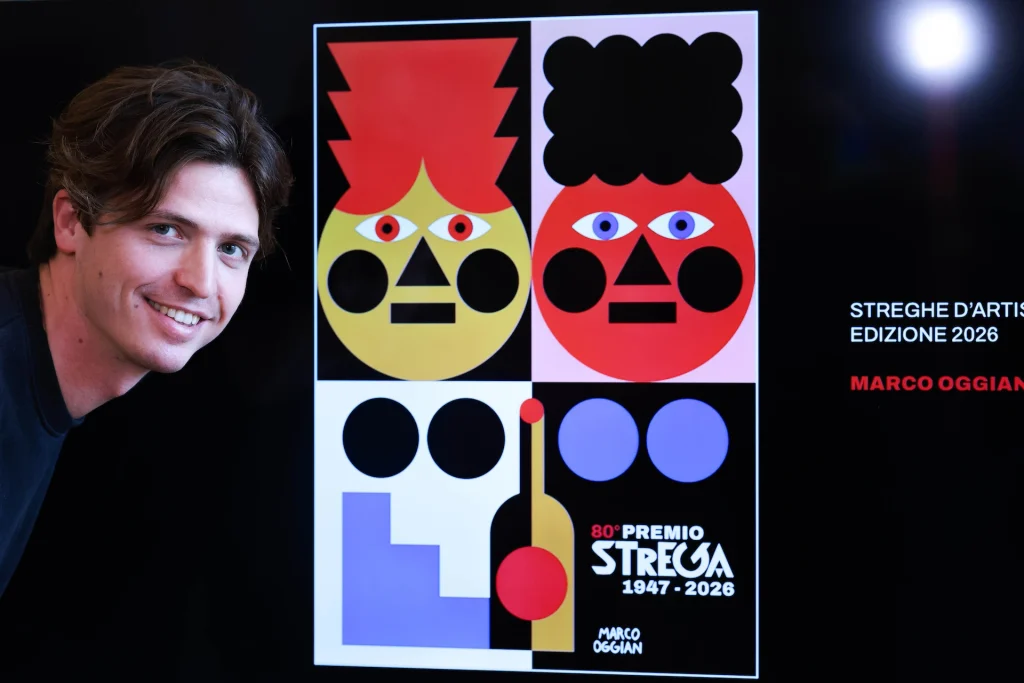
The Premio Strega is Italy’s most prestigious literary prize, and this year it arrives with a striking twist: for the first time in recent memory the shortlist is not a “cinquina” (five books) but a “sestina” — six finalists. Announced at the Roman amphitheatre in Benevento, the decision reflects newly adopted rules that guarantee at least one small or medium independent publisher a place among the finalists. The result is a mix of established voices and fresher, more surprising entries that promise a lively race to the final on 8 July.
Who made the shortlist?
The six titles chosen from the longlist — the so‑called “dozzina” — represent a diverse cross‑section of contemporary Italian fiction. Here they are, listed with their presenting sponsors and the vote totals they received in the final round of selection:
Why six finalists now?
The shift from five to six finalists is not a mere numerical tweak; it embodies a deliberate move to broaden the prize’s reach and to give smaller publishers real visibility. The Premio Strega has historically been as much about cultural conversation as about literary merit, and this change reflects an institutional effort to ensure that independent voices gain access to the same spotlight as titles from major houses.
What this means for readers and the market
For readers, the sestina offers a richer selection: established authors with strong reputations share the stage with smaller‑press discoveries. For the book market, a Strega nomination — especially at the shortlist stage — can be a commercial springboard. Independent publishers often struggle to achieve the visibility of larger houses; now one of them gets a guaranteed shot at the national conversation, which can translate into increased sales and wider distribution.
Where the final will be — and why it matters
The announcement also revealed a symbolic change of venue: the final evening on 8 July will take place in Piazza del Campidoglio in Rome, reinforcing the Strega’s historical and cultural ties to the Italian capital. The ceremony will be broadcast live on national television and across the Prize’s social channels, ensuring a wide audience for the winner reveal.
International outreach: a wider stage for finalists
The Strega organisers are also expanding the prize’s international dimension. In July, the finalists will participate in events and readings in Mexico City and Guadalajara, strengthening cultural exchange and raising the profiles of Italian authors on the Latin American market. With Italy set to be the guest of honour at the Guadalajara Book Fair later in the year, these initiatives create valuable bridges for translation and international collaboration.
What to watch for on 8 July
The final vote will crown one of these six titles and, in doing so, will shape the literary conversation for months to come. Expect debates in the press and on social media, bookshop displays to shift, and a resurgence of interest in shortlisted authors’ back catalogues. For readers looking to prepare, now is the perfect moment to sample each book and decide which voice resonates most with you.
The Premio Strega’s 80th edition thus promises to be one of the most interesting in recent memory: structurally innovative, attentive to editorial diversity, and politically symbolic. For lovers of literature, it is an invitation to read broadly and to celebrate a living, evolving Italian literary scene.