
Snow in the Saudi Desert: Hail Wakes Up White After 30 Years — What It Means and How to Enjoy It Safely
Imagine stepping outside your door to see sand and sky replaced by a blanket of white. That’s exactly what happened this week in Hail, a northern city in Saudi Arabia, where a rare snowfall transformed the desert landscape into an unexpected winter scene. Residents say it’s the first time in three decades they’ve seen anything like it. For those of us who love beauty, travel and the quirks of nature, this moment is equal parts magical and thought‑provoking — and it’s worth knowing how to appreciate it without causing trouble.
How did this happen?
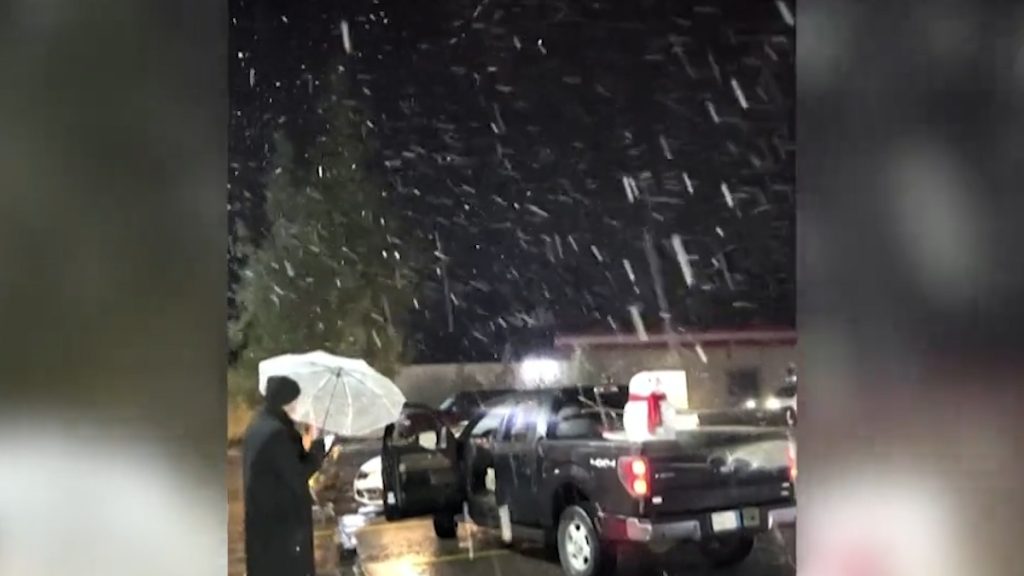
Snow in regions known for heat and sand is uncommon but not impossible. Weather systems occasionally push cold air masses much further south than usual, and when that cold air meets enough moisture, snow can fall — even in places you’d never expect. In Hail’s case, the combination of an unusually cold incursion and localized precipitation led to the delicate dusting that people captured on their phones and shared across social media. The result was a series of striking images: dunes, rooftops and palm trees aglow with snowflakes.
Why this moment matters
Beyond the visual spectacle, such events remind us of the unpredictable nature of weather — and how climate patterns are becoming less predictable in many parts of the world. One isolated snowfall doesn’t prove climate change causes more snow in deserts, but these unusual events are part of a larger pattern of weather extremes. For readers who care about the environment, it’s a nudge to stay curious, stay informed and support local and global efforts to better understand and adapt to shifting climate realities.
Local reactions: delight and practical concerns
The footage coming out of Hail shows smiles, laughter and spontaneous play — children trying snow for the first time, neighbours taking photos, cars slowly traversing wet streets. Yet, there are practical sides to consider. Cities that rarely see snow are not always equipped to cope: roads may be slick, services unprepared, and infrastructures not designed for freezing conditions. Authorities often need to mobilise quickly to ensure safety, from clearing key roads to advising residents about travel and heating precautions.
How to enjoy the sight safely (if you’re local or visiting)
What the snow means for local life
In some ways, the snow is a short‑term celebration — a story for the family album and a mood‑lift during the winter months. But it also creates real logistical work: street maintenance, traffic control and support for residents who might face power, heating or water challenges. For farmers and local food producers, sudden cold snaps can be concerning depending on crops and livestock. Local authorities often balance celebration with practicality, ensuring safety while helping communities share and remember the rare event.
Beauty and sustainability: a gentle reminder
At Princess‑Daisy we love the poetry of a scene like this — sand meeting snow is a photographer’s dream and a reminder that our planet continues to surprise us. Yet the beauty carries an embedded message about stewardship. Climate anomalies and extreme weather events prompt conversations about how we protect and preserve local ecosystems and communities. If you feel moved by the images, channel that emotion into positive acts: learn about climate resilience, support local conservation groups or simply spread awareness about adaptive planning for climate variability.
Travel tips if you’re inspired to visit
Images that linger
From a lifestyle perspective, the snow in Hail will feed the imagination for weeks. It inspires fashion editorials (think shearling and luxe knitwear against sand dunes), travel stories, and simple domestic pleasure — a cup of tea by a window watching snow fall where it rarely does. For our readers who adore travel, creativity and the unexpected, these moments remind us of nature’s ability to surprise and to prompt reflection.
Why we share these stories
At Princess‑Daisy, we love to spotlight moments that combine beauty and meaning. The snow in Hail is one of those rare instances that offers both — it’s visually breathtaking and socially significant. Whether you’re scrolling for inspiration, thinking about your next travel destination, or simply enjoying a beautiful image on your feed, this event invites us to look, wonder and act thoughtfully.