
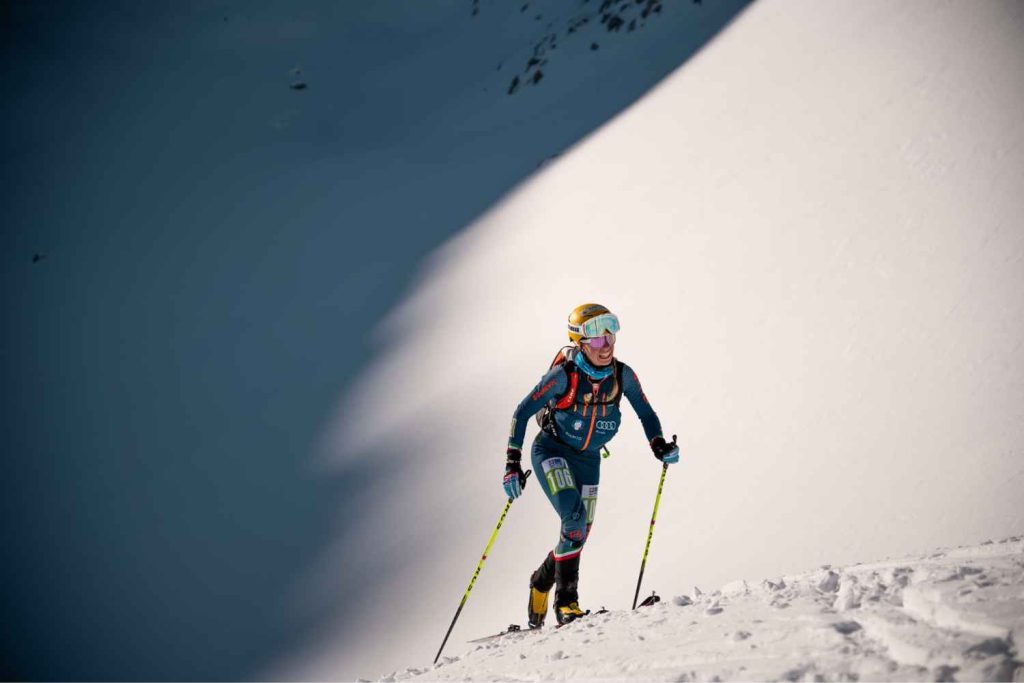
Ski mountaineering is no longer an obscure passion for a handful of mountaineers — it’s officially Olympic. For readers at Princess‑Daisy who love outdoor escapes, wellness and trying new sports, this moment is huge: ski mountaineering’s debut at Milan‑Cortina 2026 brings the raw, restorative joy of mountain movement into the global spotlight. It’s a sport that combines serious fitness, quiet communion with nature and a strong ethical relationship with the environment — all things our community values. Here’s a friendly guide to what the Olympic inclusion means, why women are flocking to the sport, and how you can get started without breaking the bank.
What exactly is ski mountaineering?
Think of ski mountaineering as the elegant cousin of ski touring and the athlete’s version of backcountry skiing. Competitors ascend slopes on lightweight skis with skins, often switching modes quickly (skin on for climbs, skins off for transitions), and then ski down technical terrain. The Olympic formats — sprint and mixed relay — compress the drama into short, television‑friendly bursts: the sprint lasts roughly three minutes and showcases explosive power and flawless transitions, while the mixed relay pairs men and women in a fast, tactical team event.
Why its Olympic debut matters
The sport’s arrival at the Games changes everything. Visibility means investment, better coaching pathways, and more exposure for grassroots clubs and female athletes. Fabio Meraldi, Italy’s national technical director, stresses that national investment has helped Italy become a contender; the sport’s inclusion rewards that work. For women especially, the Olympics provide a platform that elevates role models, encourages youth participation, and accelerates access to funds and facilities.
Why women love it — and why numbers are rising
Over the last few years, participation has exploded, particularly among women. There are several reasons:
It’s not about flashy resorts; it’s about earned descents, self‑reliance and respect for the mountains — values that resonate strongly with people seeking meaningful outdoor experiences.
What to expect at the Olympic events in Bormio
The races on the Stelvio track in Bormio (19 and 21 February) will highlight both ascent and descent skills in compact formats ideal for TV audiences. Expect intense, high‑pace competition: athletes will show fast skinning sections, rapid transition technique, and technical downhill skiing — all in a few adrenaline‑packed minutes. The mixed relay, which blends men and women in the same team, is built to showcase teamwork and drama, while the sprint is pure, breathless athleticism.
Is it eco‑friendly? The slow sport argument
One of ski mountaineering’s appealing aspects is its environmental sensitivity. Unlike large downhill ski resorts, it relies on human power rather than energy‑hungry lifts. Once you own your kit, ongoing costs are modest — and buying used gear is a common, sustainable option. Instructors and clubs emphasise ethical principles: avoid fragile habitats, respect closure areas, and prioritise sustainable access. For eco‑conscious readers, it’s a sport that aligns fitness with low environmental impact.
Practical costs and kit — realistic budgeting
There’s an up‑front investment, but it’s far from prohibitive if you plan wisely:
Many clubs offer rental packages or beginner courses with kit included, which is a great way to try the sport before committing.
Safety first: essential skills and training
Safety is paramount. The sport happens in alpine environments where weather and avalanche risk matter. Key steps to start safely:
How to begin — a simple starter plan
Why you should watch — and perhaps try
Watching the Olympic events is the perfect introduction: you’ll see how athletic and technical the sport is, and perhaps be inspired to try a taster day next winter. For women who love fitness, adventure and beautiful places, ski mountaineering offers visceral rewards — a sense of achievement, community and access to the wild that’s increasingly rare in modern life.
Princess‑Daisy readers who value purposeful movement and seasonal rhythms will find ski mountaineering deeply satisfying. Whether you watch the drama in Bormio or begin with a local club outing, this sport invites you into a fresh, empowering relationship with winter: strenuous, soulful and utterly addictive.