
Shocking rescue in Thailand: lions and bears found starving in seized casino
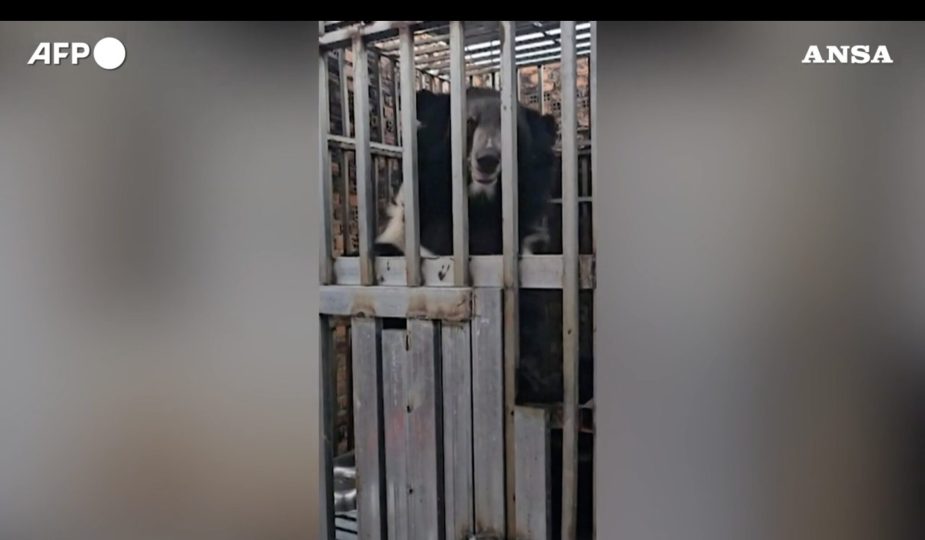
Thai naval forces have freed two lions and three bears from appalling conditions inside a casino that had been seized near the Cambodian border. The animals were kept in cramped cages, visibly malnourished and lacking proper care. Footage released by the Navy shows the dramatic moments of the rescue and the immediate veterinary interventions that followed. This case raises urgent questions about the illegal trade and exploitation of wild animals for entertainment and profit.
What happened and where
The animals were discovered during a raid at a casino complex that authorities had seized — the exact details of the criminal investigation that led to the seizure are still unfolding. Reports indicate the facility was being used in ways that went beyond its legal licence, and during searches, personnel found the big cats and bears confined in inadequate enclosures. Given the proximity to an international border, investigators will likely explore whether cross‑border trafficking networks were involved in sourcing or moving these animals.
State of the animals on discovery
Visuals from the rescue reveal animals in a worrying condition: prominent ribs, lethargy and signs of severe neglect. In such situations, immediate priorities are stabilisation and medical assessment. Navy teams worked alongside wildlife veterinarians to provide emergency hydration, nutrition and to check for injuries, parasites and infectious diseases. The physical recovery of large carnivores requires careful, expert care and time — both to treat medical problems and to address the trauma associated with long‑term captivity.
Why wild animals end up in places like casinos
Keeping exotic animals in entertainment venues is sadly common in many regions. The motivations are often commercial: wild animals become attractions, photo props or status symbols. However, such environments are almost never equipped to meet the species‑specific needs of large predators. Key drivers include:
Legal and enforcement issues
The discovery at a seized casino complicates the legal picture. Authorities will need to determine:
Tracing the chain of custody is critical not only for prosecution but also to prevent these animals from being re‑sold into similar abusive circumstances.
What happens next for the animals
There are several possible routes for rescued species, depending on their health, age and origin:
Rehabilitation requires facilities with expertise in predator husbandry and sufficient space for behavioural recovery. Funding, logistics and international cooperation often determine the options available.
Role of NGOs and civil society
Non‑governmental organisations typically play a pivotal role after such rescues. They can provide veterinary expertise, financing, sanctuary placement and public advocacy. NGOs also help maintain pressure on authorities to pursue legal action and improve local enforcement. Public vigilance — reporting concerns about animals kept in unsuitable places — is a powerful tool. Campaigns that educate tourists and consumers help reduce demand for venues that exploit wildlife.
How readers can help
Individuals can contribute to long‑term change through simple but effective actions:
Wider implications
This rescue highlights a systemic issue: the intersection of illegal commerce, entertainment and weak animal welfare oversight. When animals are commodified, their welfare is often the first casualty. International cooperation — among law enforcement, customs, veterinary experts and conservation bodies — is essential to dismantle trafficking networks and ensure rescued animals are not recycled into new abusive situations.
The road ahead for the rescued lions and bears will be long. They will need careful medical follow‑up and a secure future home. For the wider community, the case is a reminder: curiosity and spectacle must never override the duty of care we owe to other sentient beings.