
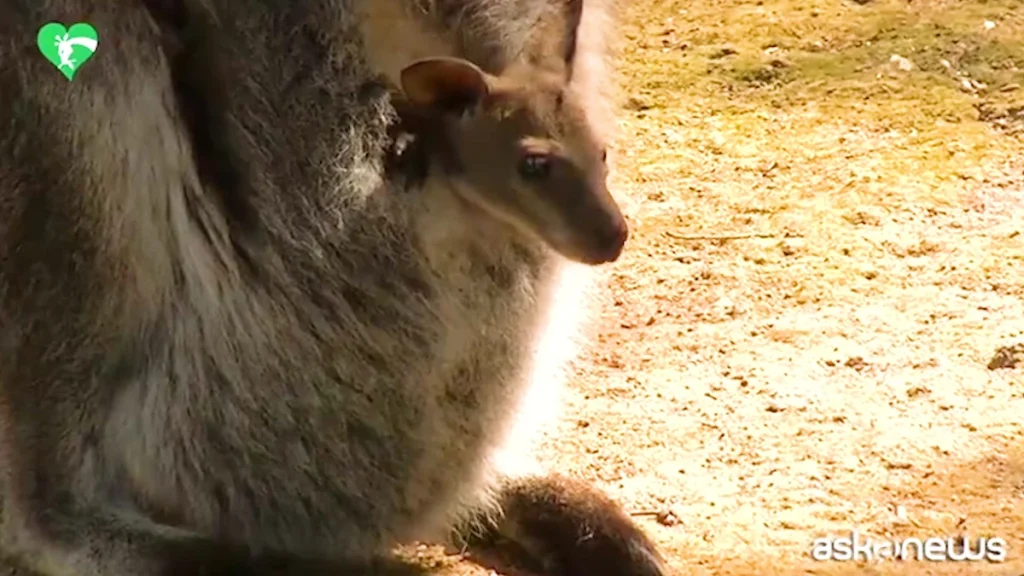
A tiny newcomer has hopped into the spotlight at Rome’s Bioparco — a baby Bennett’s wallaby has been born, and visitors are already falling head over heels for the little explorer popping in and out of mum’s pouch. As a lifestyle editor who adores all things feel‑good and family‑friendly, I’m delighted to share the full story behind this charming arrival, what makes Bennett’s wallabies so special, and why this birth matters for conservation and for a lovely day out with the kids.
Meet the new arrival
The newborn wallaby belongs to a group that arrived at the Bioparco from France last November: two males and four females. The keepers say the tiny joey has begun to venture out of its mother’s pouch to hop, sniff and investigate the enclosure before returning to the safety of mum. At this early stage the sex of the baby is still unknown, but the team expects there may be more births soon — a lovely sign that the group is settling in well.
Why Bennett’s wallabies are so endearing
Bennett’s wallaby, also known as the red‑necked wallaby in some regions, is one of the smaller members of the kangaroo family. Their compact size, curious faces and hopping gait make them instantly photogenic and approachable for zoo visitors. They feed primarily on grass, fruits and roots, and use their long tails as a stabilising third leg when they move slowly. When they sprint, they balance on their powerful hind legs — a sight that delights children and adults alike.
Nature’s miracle: the joey’s tiny beginning
One of the most astonishing facts about marsupials is the size and vulnerability of the newborn. A baby wallaby weighs less than a gram at birth. It needs to make a remarkable crawl to reach the mother’s pouch where it attaches to a teat and continues its development. For Bennett’s wallabies, the joey will remain in the pouch for around nine months, and may continue to nurse and stay close to mum for up to 14–17 months. Watching that slow progression from pouch to independent joey is incredibly rewarding for visitors.
Why this birth matters beyond the “aww” factor
Captive breeding in respected, modern zoos and bioparks plays an important role in conservation and species management. A successful birth like this indicates good animal welfare, proper husbandry and a healthy social structure among the group. It also contributes to ex‑situ conservation efforts — maintaining genetically healthy populations outside their native habitats can be a crucial insurance policy for species threatened by habitat loss, bushfires and climate change in the wild.
Conservation context: the bigger picture
Australia’s wildlife faces increasing pressures from land clearing, changing fire regimes and climate events. While Bennett’s wallaby is not the most endangered marsupial, the broader context remains worrying: many marsupials are vulnerable, and recovering populations requires habitat protection, fire management and community support. By participating in cooperative breeding programs and public education, zoos help raise awareness and funds for in‑the‑wild conservation actions.
What visitors can expect at the Bioparco
If you’re planning a trip to see the little wallaby, here’s what to keep in mind:
Simple ways families can get involved
Seeing animals up close can spark a lifetime of curiosity — here are a few practical suggestions for turning a zoo visit into a conservation lesson at home:
Why the Bioparco’s choice to protect privacy matters
Many modern zoos balance public engagement with careful animal welfare and breeding management. The team at Rome’s Bioparco are clearly prioritising the joey’s wellbeing, giving the mother space to bond and ensuring the group remains stable. This approach helps the newborn thrive and allows visitors to witness a natural development process — rather than forcing interactions or early handling for spectacle.
What to watch for in the coming months
Keep an eye on announcements from the park — if the staff expect another two births as they suggested, that would be a wonderful sign of the group’s health. Over the next year you’ll see the joey gradually become more independent: first playful hops, then time spent out of the pouch interacting with mums and other group members. It’s a lovely progression to follow and an educational experience for children learning about life cycles.
In short, this tiny Bennett’s wallaby is not just cute — its presence highlights the important work of modern zoos and offers families a gentle way to connect with nature. If you’re local to Rome or planning a visit, this is the perfect time to experience the joy of a newborn joey and to leave with new ideas for supporting wildlife in everyday life.