The latest PISA report from the OECD has sounded a global alarm: average scores in reading and mathematics have fallen sharply in many countries. Yet Italy stands out as a notable exception — its fifteen‑year‑olds have held steady, even improved in some areas, and for the first time the gender gap in science has closed. As a lifestyle and wellbeing editor, I’m intrigued by what this contrast reveals about teaching, family habits and the role of technology in young people’s lives. Here’s a practical, readable breakdown of the findings and the small, everyday changes that really make a difference.
What the PISA data actually shows
This cycle of PISA is the largest to date—760,000 students across 91 countries. On average across the OECD, reading lost 28 points over the last decade, maths fell by 22, and science decreased by seven points. The share of students who do not reach the minimum proficiency in any of the three assessed domains rose to one in five. The OECD points to three related drivers: more time spent on screens, less leisure reading, and school‑family relationships that have not fully recovered after the pandemic upheaval.
Why Italy bucks the international trend
Italy’s figures tell a different story. Italian students scored 474 in reading (vs. 461 OECD average), 468 in maths (vs. 463), and 483 in science (vs. 482). That reading result is the best in 25 years and overtakes some countries that were long seen as benchmarks. These results suggest the Italian system, in many classrooms, has preserved teaching practices that sustain comprehension and core skills despite wider global decline.
A milestone: the gender gap in science has closed
Perhaps the most striking development is the elimination of the gender gap in science in Italy. For decades, girls were underrepresented and under‑encouraged in scientific subjects; now, girls have gained an average 11 points while boys remained unchanged. This shift is not a trivial statistic: it signals cultural progress, better encouragement and possibly more inclusive teaching methods that help girls engage with scientific thinking.
The stubborn reality of socio‑economic inequality
Despite positive national trends, the largest and most worrying divide remains socio‑economic. In Italy the performance gap between students from affluent families and those from disadvantaged backgrounds measures about 80 points in science and nearly 79 points in reading and maths — more than a whole proficiency level. That gap persists even as overall averages differ. In short: excellence in aggregate doesn’t erase the urgent need for targeted support in underprivileged communities.
Technology: tool or trap?
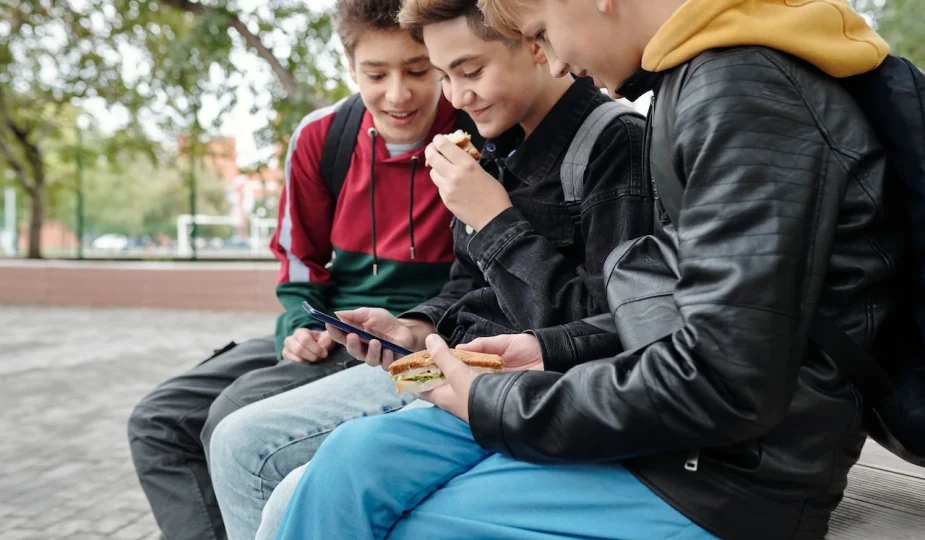
PISA’s new measurements include how widely students use chatbots: around half of Italian fifteen‑year‑olds use them at least weekly. Many do so to fetch information, summarise texts, or even write homework. The OECD notes a worrying pattern: heavier, unguided use of these tools correlates with lower performance. Yet the story is nuanced — high‑performing systems like Singapore and Macao also use technology intensively, but with structured pedagogy and clear instructional goals. Technology helps when directed; it harms when it replaces effort and critical thinking.
What Italian schools seem to be doing right
What parents can do at home
How schools and policy makers need to respond
Skills at risk and why they matter
The OECD flags a worrying decline in the very skills that help children navigate the information age: evaluating sources, integrating multiple information strands, and spotting misleading arguments. Ironically, as AI makes it easier to generate fluent but shallow texts, the need for deep reading and critical analysis grows. These skills are not automatic; they are forged by practice—reading longer, discussing ideas, and doing the cognitive work of synthesis.
Italy’s relative success shows that supportive teaching practices, a focus on reading and deliberate efforts to include girls in science make a real difference. The wider global slide reminds us that technology alone cannot replace patience, effort and a strong educational foundation. For parents and teachers alike, the task is to pair digital tools with robust, human‑led instruction that builds resilience, curiosity and the ability to think deeply.