
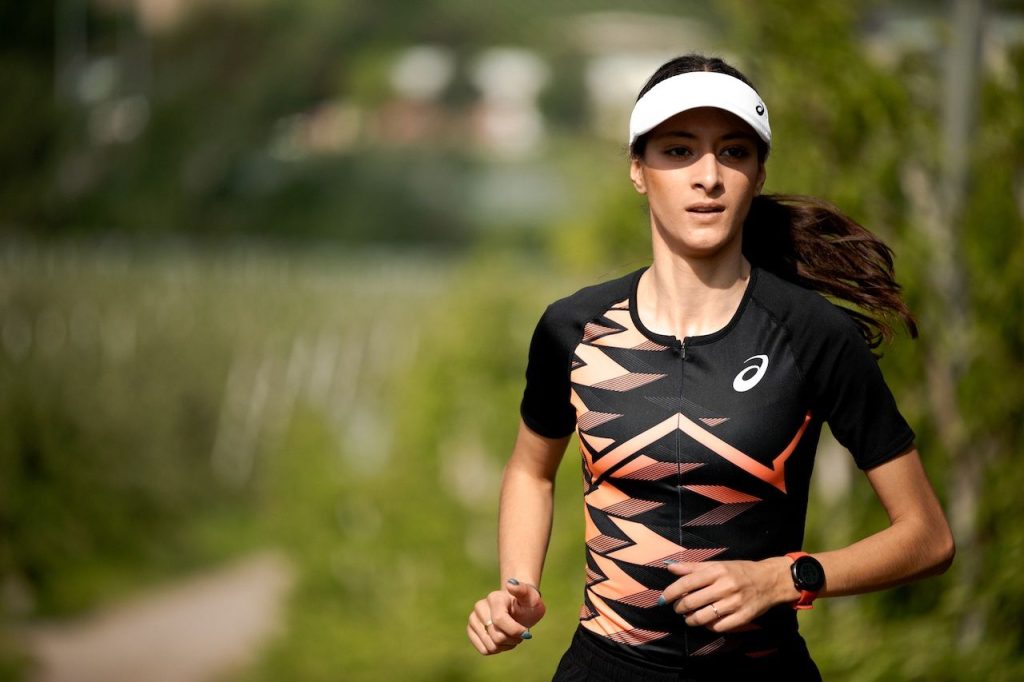
Nadia Battocletti’s mantra is refreshingly simple: “Food is our best fuel.” The Italian middle‑distance star—Olympic and World medallist and double European champion—doesn’t complicate her pre‑race routine. Instead, she trusts simple, repeatable meals, careful recovery and, above all, listening to her body. Whether you jog for fun or train seriously, her approach offers practical lessons: how to eat sensibly before a race, why “eating less” is rarely the answer, and how recovery is as vital as the training itself.
What Nadia eats before a race
When competition day arrives, especially when she’s travelling, Nadia favours uncomplicated, easily digestible meals. The focus is carbohydrates with a side of vegetables and a lean protein. Her go‑to formula is plain white rice, a portion of vegetables—spinach, courgettes or carrots—and a protein such as chicken breast, turkey or lean beef. This trio is repeated in the days leading up to major events because it’s reliable, familiar and unlikely to upset the stomach.
Crucially, Nadia stresses that this is a personal routine shaped by years of testing. What works for a world‑class athlete is not a one‑size‑fits‑all prescription—trial and error in training is essential.
Carbs are not the enemy
Carbohydrates remain the mainstay for endurance athletes because they refill glycogen stores—the muscle fuel used during long and intense efforts. The quantity and timing of carb intake should be matched to the duration and intensity of exercise.
Nadia’s message is clear: performance suffers when you under‑fuel. The idea of “eating less to be lighter” is a false economy that risks injury, fatigue and long‑term health problems.
Why eating less can backfire
Relative Energy Deficiency in Sport (RED‑S) is an established risk for athletes who chronically underfuel. It affects bone health, metabolism, immune function and reproductive health and reduces performance. Nadia has never believed that restriction improves speed; she’s learned that consistent, adequate nutrition supports training adaptations and prevents setbacks.
Supplements and on‑course nutrition: pragmatic, not dogmatic
Nadia uses supplementation sensibly. For very hot, sweaty sessions she will turn to gels that contain sodium and carbs. But she’s careful: supplements are tools, not necessities for every session. The decision to use them depends on exercise duration, environmental conditions and individual sweat rates.
An illuminating anecdote: at the World Championships in Tokyo, Nadia prepared by distributing sachets of her recovery supplement to family, support staff and nearby fans so she could be sure to receive it within ten minutes post‑race—demonstrating how logistical planning counts at the highest level.
Recovery: the hidden training
For Nadia, recovery is a central pillar of performance. Sleep, nutrition, active recovery and smart scheduling of training loads allow the body to adapt and grow stronger. She only began understanding how to fine‑tune recovery around 17–18 years old, and even more so in recent seasons as the volume and intensity of work increased.
She emphasises that recovery is not a break from training but an essential component of it; adapt quickly and you can train harder, faster.
Learning from mistakes: the long view
Nadia’s journey is built on small, iterative improvements—testing nutrition, tweaking training, learning when to back off. This slow, reflective process is the core difference between a short‑term hobby and a sustainable athletic life. Mistakes are part of the learning curve; what matters is adjusting and moving forward.
Practical tips for the amateur athlete
Balance, not perfection
Nadia’s philosophy is refreshingly balanced: perform consistently, eat well, rest properly and learn from every season. For women who juggle training with careers, family and social life her advice is especially relevant: progress is achievable when you respect your body’s signals and prioritise recovery as highly as workouts.