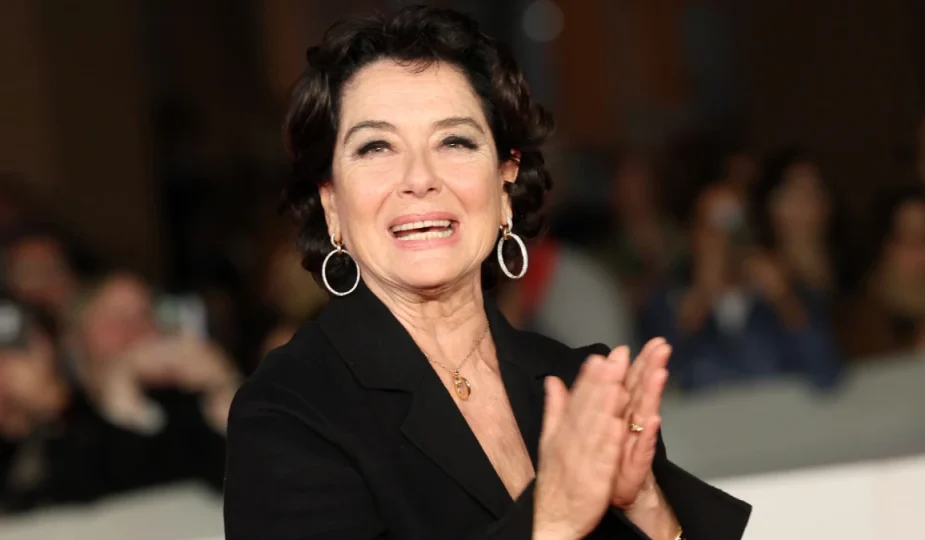
Monica Guerritore’s announcement that she will join the cast of Ballando con le stelle this autumn is more than a casting scoop — it is a powerful, personal statement of recovery and resilience. The celebrated Italian actress, who recently revealed her fight against cancer, will take to the dance floor when Rai 1’s hit show returns on 3 October. For many women — and especially for those who have faced serious health battles — her choice to step into the spotlight again is both inspiring and deeply relatable.
A storied career that makes this return poignant
Monica Guerritore is a luminary of Italian theatre and film. Born in Rome in 1958, she began acting at a very young age and quickly earned recognition: a film debut in 1973 and early theatre work under the guidance of Giorgio Strehler at Milan’s Piccolo Teatro. Over five decades she has played a wide range of roles on stage and screen and has made a name for herself as an actor, director and author of compelling theatrical works — often focusing on strong female figures. Her presence on a mainstream entertainment show like Ballando con le stelle thus connects high culture and popular audiences in a meaningful way.
The private struggle she chose to share
Just weeks ago, Monica shared a deeply personal chapter of her life with her followers: a diagnosis of cancer and the subsequent treatment journey. She spoke candidly — yet with discretion — about undergoing six cycles of chemotherapy, the emotional experience of losing her hair, and her decision to wear a wig during work. Her message was one of gratitude toward medical staff and a determination not to let illness define her life or her career. The decision to return to television so soon after treatment speaks to an unyielding commitment to her craft and to living fully.
Why dancing is a potent symbol of revival
Dance shows like Ballando con le stelle are about movement, rhythm and transformation. For Monica, the dance floor represents a concrete stage of renewal: rehearsals, small victories and the physical re‑connection with her body after demanding treatment. The public nature of the show allows audiences to observe that recovery is not a single dramatic moment but a series of steps, setbacks and triumphs. It also reframes vulnerability as strength — a message that resonates strongly with many viewers, particularly women navigating illness, caregiving or life transitions.
What audiences can expect this season
Monica joins a starry cast that includes Aurora Ramazzotti, Noemi Bocchi, Alessandro Matri and other familiar faces. The programme will pair each celebrity with a professional dancer and put them through weekly performances judged by a panel — though the show always balances competition with emotion. Monica’s participation is likely to bring moments of raw honesty to the screen: glimpses of the discipline required to return to form, plus scenes that celebrate joy, friendship and communal support.
The wider impact: visibility, conversation and solidarity
When a respected artist speaks about illness and returns to public life, it normalises conversations that are often kept private. Monica’s story does several important things:
Practical considerations for Monica’s participation
Joining a demanding live performance show after chemotherapy requires careful planning and medical support. Producers and the artist will need to manage:
How this resonates with women watching
For many women on our site, Monica’s announcement will feel personal. Whether you’re returning to work after illness, coping with change, or simply seeking examples of courage, her choice to embrace a visible, joyous challenge is encouraging. It underscores a simple truth: recovery can coexist with ambition, creativity and continued public life.
What to look for during the show
Monica Guerritore’s return to Ballando con le stelle is thus a cultural moment that bridges entertainment and empathy. It reaffirms that career, creativity and care are not mutually exclusive, and it gives viewers a chance to celebrate the resilience of an artist who continues to move, inspire and shine.