
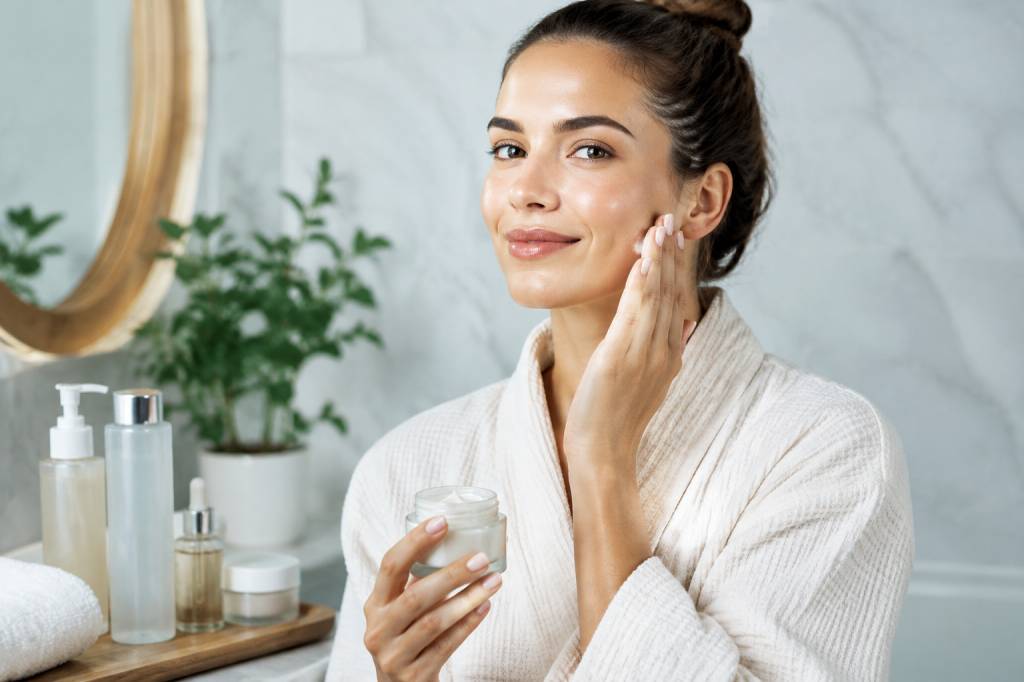
Model skincare can look wonderfully effortless: fresh, glowing skin, a few carefully chosen products and a routine that seems to take five minutes. Behind the scenes, though, healthy-looking skin is usually less about secret formulas and more about consistency, sensible choices and knowing what your own skin needs.
You do not need a model’s budget or a shelf full of products to create a routine that works. Whether your skin is dry, oily, sensitive or somewhere in between, the basics are surprisingly similar: cleanse gently, moisturise well and protect your skin from the sun. The details can then be tailored to you.
What does “model skincare” really mean?
There is no single model-approved routine. Skin types, schedules and preferences vary, and professional makeup artists may use different products depending on the job. A photoshoot routine might also involve expert advice, carefully timed treatments and lighting that makes skin look different from real life.
For everyday skincare, it is more helpful to focus on the habits that support a healthy skin barrier. That means choosing products that suit your skin, avoiding unnecessary irritation and giving a routine time to work. Glowing skin is not a personality trait or a product you can buy in a tiny glass bottle. It is often the result of small, repeatable steps.
It also helps to keep expectations realistic. Skincare can improve hydration, comfort and the appearance of uneven texture, but pores and natural lines are normal. Your face does not need to look airbrushed to look radiant.
Start by getting to know your skin
Before you shop, take a moment to notice how your skin behaves. Does it feel tight after washing? Does it become shiny quickly? Are some areas dry while others are oily? These clues can help you make better choices than a trendy product recommendation ever could.
-
Dry skin may feel tight, flaky or uncomfortable, especially after cleansing. Creamier cleansers and richer moisturisers can be helpful.
-
Oily skin often develops shine during the day. Lightweight, non-comedogenic moisturisers can provide hydration without feeling heavy.
-
Combination skin may be oily around the forehead, nose and chin, but drier on the cheeks. You can use different textures on different areas rather than treating your whole face the same way.
-
Sensitive skin may react with redness, stinging or itching. Fragrance-free products and a simple routine are often a good place to begin.
-
Normal skin still benefits from the basics. “Normal” does not mean it needs no care; it simply means there may be fewer persistent concerns to manage.
Skin can change with the seasons, hormones, stress, travel and age. A routine that feels perfect in July may leave you wanting more moisture in January. Reassess occasionally, but avoid changing everything at once.
The morning routine: protect and prepare
A useful morning routine does not need to be complicated. If your skin feels comfortable when you wake up, rinsing with water may be enough. If you prefer a cleanser, choose a gentle one that leaves your face feeling clean rather than tight.
-
Cleanse gently. Use lukewarm water and your fingertips. Scrubbing with a rough cloth or using very hot water can irritate skin, especially if it is already dry or sensitive.
-
Add a targeted serum if you want one. Vitamin C is a popular morning ingredient because it can help brighten the look of uneven tone. If you are new to it, choose a product from a reputable brand and introduce it gradually. A serum is optional, not a requirement for radiant skin.
-
Moisturise. Pick a texture that feels comfortable. A lighter lotion may suit oily skin, while a cream can feel more reassuring on dry skin. Ingredients such as glycerin and ceramides are commonly used to support hydration and the skin barrier.
-
Finish with sunscreen. Use a broad-spectrum sunscreen with SPF 30 or higher as the final step of your morning skincare routine. Apply enough to cover your face, ears and neck, and reapply when needed, particularly after swimming, sweating or spending time outdoors.
Sunscreen is the least glamorous step until you realise it is one of the most useful. It helps protect against sun damage, which can contribute to uneven tone, premature ageing and other skin concerns. On a cloudy day, or when you are sitting beside a bright window, sun protection still deserves a place in your routine.
The evening routine: cleanse the day away
Evening skincare is a chance to remove sunscreen, makeup, oil and the day’s general city-life collection of particles. If you wear long-wearing makeup or water-resistant sunscreen, you may find a two-step cleanse useful: first a cleansing balm or oil, then a gentle water-based cleanser.
Double cleansing is not essential for everyone. If one cleanser removes everything comfortably, there is no need to turn washing your face into a two-part production. The aim is clean skin, not a squeaky-tight feeling.
After cleansing, apply moisturiser while your skin is slightly damp if that feels comfortable. This can help reduce that dry, tight feeling. If you use a treatment product, follow its instructions and introduce it slowly rather than applying several active ingredients on the same night from the beginning.
Choosing products without buying the whole shelf
Skincare marketing can make every new launch sound like the missing piece of your routine. A better approach is to build a small foundation first: cleanser, moisturiser and sunscreen. Once those products suit your skin, consider whether you have a specific concern you would like to address.
-
For a dull or uneven-looking complexion: vitamin C or niacinamide may be worth exploring. These ingredients are found in many formulas, but a product does not need a long ingredient list to be effective for you.
-
For dry or dehydrated skin: look for hydrating ingredients such as glycerin or hyaluronic acid, then apply a moisturiser to help keep skin comfortable.
-
For clogged pores: salicylic acid is a common option. Start with a low-frequency approach and stop if you develop persistent irritation.
-
For signs of ageing: retinoids are widely used in skincare, but they can cause dryness or irritation, especially at first. Introduce them cautiously and seek professional guidance if you are pregnant, trying to become pregnant or breastfeeding.
Always patch test a new product by applying a small amount to a discreet area and watching for a reaction. Patch testing cannot guarantee that your face will never react, but it can help you spot obvious irritation before using the product more widely. If a product causes burning, swelling or a persistent rash, wash it off and stop using it.
Consistency beats a complicated routine
One of the most useful model skincare habits is not a product at all: consistency. A gentle routine used regularly is usually more practical than an elaborate routine that is abandoned after a week. Give a new product time, and avoid judging it after one evening in front of the bathroom mirror.
It is also wise to introduce one new product at a time. If you start a cleanser, exfoliant, serum and retinoid on the same weekend, you will have no idea which one your skin likes—or dislikes. Leave a little time between additions so you can notice how your skin responds.
More exfoliation does not necessarily mean more glow. Overusing scrubs, acids or cleansing brushes can disrupt the skin barrier and leave skin red, sore or flaky. If your face feels uncomfortable, simplify your routine, pause strong active ingredients and focus on gentle cleansing and moisturising. Persistent or severe symptoms are a reason to speak with a healthcare professional or dermatologist.
Small habits that support a fresh-looking complexion
Skincare products are only one part of the picture. Everyday habits can affect how your skin feels and looks, although there is no need to chase perfection in your sleep schedule or meal plan.
-
Get enough sleep where possible. A late night will not ruin your skin, but regular rest supports your general wellbeing and can help you feel more refreshed.
-
Drink according to your needs. Staying hydrated is sensible for overall health, but drinking extra water is not a guaranteed shortcut to flawless skin.
-
Keep makeup tools clean. Washing brushes and sponges regularly helps remove product buildup and makes them more pleasant to use.
-
Be gentle when removing makeup. Avoid tugging at the delicate skin around your eyes. Let a suitable remover do the work, then cleanse as needed.
-
Protect your skin outdoors. Sunscreen, shade and protective clothing work well together, particularly during prolonged time outside.
And please do not panic if your skin breaks out before a big event. Stressing over every blemish can make getting ready feel like a crisis meeting. Keep your routine calm, resist picking and use makeup if it helps you feel confident. A spot is a spot, not a verdict on your skincare skills.
When to ask for expert advice
Persistent acne, painful breakouts, unexplained rashes, ongoing redness or sudden changes in your skin can be difficult to manage with over-the-counter products alone. A GP or dermatologist can help identify the cause and recommend an appropriate treatment. This is especially useful if you have tried simplifying your routine but your skin remains uncomfortable.
Be cautious about advice that promises instant results or suggests you need to use several strong ingredients at once. Professional support should feel tailored to your skin and health, not like a challenge to see how many products you can tolerate.
A simple routine to make your own
If you are unsure where to begin, keep it easy. In the morning, cleanse or rinse, moisturise and apply sunscreen. In the evening, remove makeup and sunscreen, cleanse gently and moisturise. Once that feels comfortable and consistent, add one targeted product if you have a clear reason to do so.
That is the practical version of model skincare: thoughtful products, patient use and protection from the sun, without the pressure to own every trending bottle. Your routine should fit your real life, not just look pretty arranged beside the bathroom sink. Start with the basics, pay attention to what your skin tells you and let a healthy glow be a bonus—not another beauty rule.