
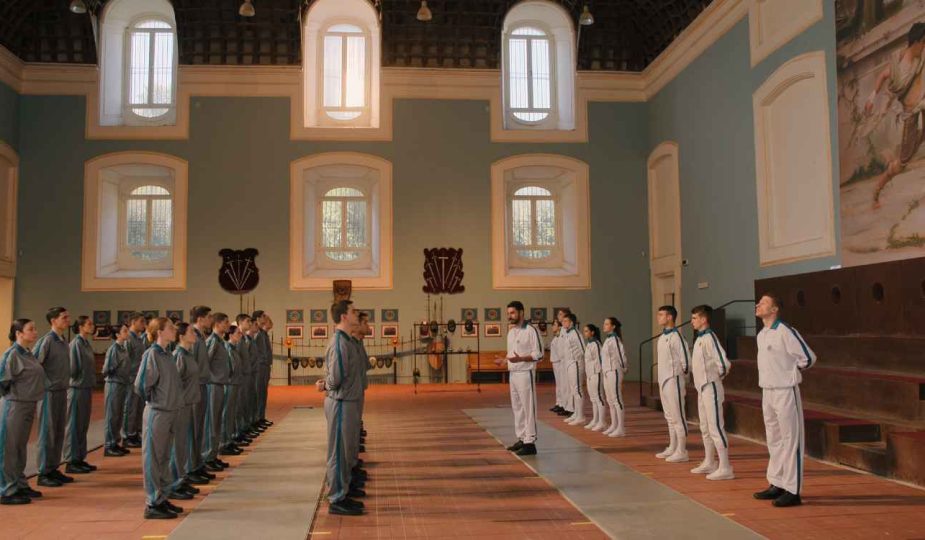
Netflix’s latest Italian teen drama Minerva – La scuola transports viewers to a fictional military high school in Naples, and it’s already climbing the platform’s charts. At first glance, the set‑up might sound familiar — strict rules, boarding‑school tensions, and teenage rites of passage — but Minerva adds distinct flavour by framing adolescent turmoil within the rigid discipline and ceremonial world of a lycée with military traditions. As Daisy from Princess‑Daisy.co.uk, I’m intrigued by shows that combine strong character work with striking settings, and Minerva offers both: intense ensemble drama, moral conflicts, and a sense of place that enriches the narrative.
What the series is about
Minerva follows a diverse group of students enrolled in the eponymous school. Some arrive from military families, others from fractured homes, and some join driven by curiosity or personal quests — like Salvo, who enters Minerva to investigate a friend’s disappearance. Over the course of the episodes, familiar teen themes emerge: first loves, friendships, power struggles, addictions, and the search for identity. Yet the military discipline — physical training, rituals, uniforms, and a strict hierarchy — creates an intensifying backdrop, where the stakes feel heightened and every act of rebellion can carry real consequences.
Why the military setting works (and what it reveals)
Placing adolescent stories within a military boarding school does three crucial things for the drama:
The ensemble and standout performers
Minerva is a true ensemble piece. Rather than focusing on a single protagonist, the series builds its emotional weight through intersecting storylines. This approach allows for a broader emotional palette: you get to know kids who aspire to military honour, those who chafe against it, and those caught between family legacies and personal choices. While performances across the cast are solid, look out for the characters whose backstories centre on family trauma or unresolved mysteries — they tend to carry the series’ most potent dramatic moments.
Direction and tone: echoes of Mare fuori, with its own voice
Directed by Ivan Silvestrini — who previously worked on Mare fuori — Minerva shares some stylistic DNA with earlier Italian teen dramas: strong location work, handheld intensity and a willingness to dwell on emotional realism. Yet Minerva’s more formal setting steers it away from simply repeating familiar tropes. The series occasionally risks patriotic rhetoric and symbolic excess — a critique made by some reviewers — but its ensemble focus and quieter, character‑driven beats often succeed in delivering sincere and affecting drama.
Themes that resonate beyond the school gates
Although set inside a specific institution, Minerva explores universal themes that will resonate with international viewers:
Why it appeals to both teen and adult audiences
Good teen drama succeeds on two levels: it convinces its younger characters and it offers adults a reflective frame to re‑examine youth culture and the pressures of growing up. Minerva does both. Teen viewers will recognise the immediacy of peer relationships and the small rebellions; adult viewers can appreciate the show’s exploration of institutional power and the complexity of parenting, mentorship and authority.
Stylistic notes for viewers
Who should watch Minerva?
Minerva – La scuola is not just a new teen drama: it’s a thoughtful, at times intense look at adolescence when it confronts structure and discipline head on. If you’re after a show that balances emotional realism with an arresting setting and a strong ensemble, this Italian series might be the next binge‑worthy entry on your list.