
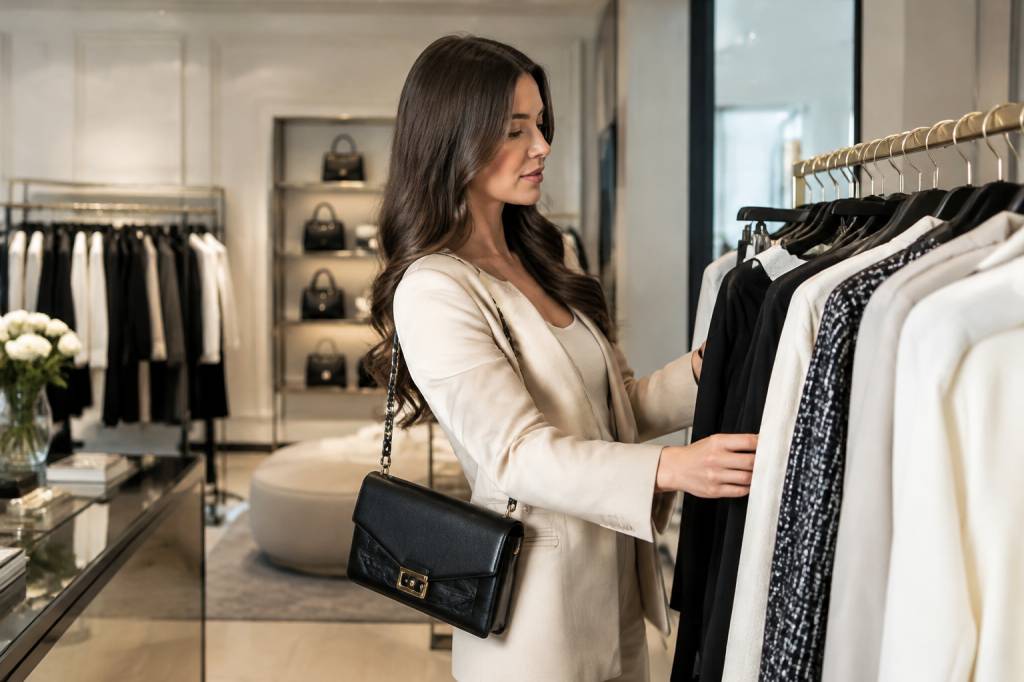
Luxury fashion shopping can feel like stepping into another world: beautiful fabrics, immaculate displays and price tags that encourage a second look. But buying a designer piece doesn’t have to be intimidating—or impulsive. A little preparation can help you choose something you’ll love wearing long after the excitement of the shopping trip has faded.
Whether you’re considering your first luxury handbag, investing in a timeless coat or simply browsing for inspiration, here’s what to know before you shop.
Decide what you want the piece to do
Before visiting a boutique or opening a new browser tab, think about how you want the item to fit into your life. Are you looking for an everyday bag, a special-occasion dress or a well-made pair of shoes that can handle regular wear? The clearer your purpose, the easier it is to compare options without being swept along by a beautiful display.
Consider your wardrobe, too. A statement jacket may look remarkable on its own, but will it work with the clothes you already wear? If you can picture several outfits and occasions for a piece, it’s more likely to earn its place in your wardrobe.
Try asking yourself:
- How often am I likely to use this?
- Can I wear or style it in more than one way?
- Does it suit my day-to-day life, as well as the image I have in mind?
- Would I still want it if it weren’t trending this season?
That last question is useful when a new collection is everywhere. Trends can be fun, but the best purchase is usually the one that feels right for you—not simply the one you’ve seen most often online.
Set a realistic budget before browsing
Luxury prices can make it surprisingly easy to lose track of what you intended to spend. Set a budget in advance, and decide whether it includes any extra costs, such as alterations, delivery, care products or import charges when shopping from abroad.
A higher price does not automatically make an item the right choice. Think about the cost in relation to how often you’ll use it and how long you expect to keep it. A coat worn throughout several winters may offer a different kind of value from a special-occasion piece worn once a year.
It’s also worth giving yourself a pause before making a major purchase. Save the item, leave the boutique or close the browser, then return to it the next day. If you’re still excited—and it fits your budget—you can shop with a clearer head. A little breathing room is much less glamorous than a shopping montage, but often more useful.
Look closely at quality and construction
Luxury fashion is often associated with careful craftsmanship, but it’s still important to examine the item in front of you. Check seams for neat, even stitching and look at the lining, fastenings, hardware and edges. On clothing, notice how the garment sits on your body and whether the fabric feels comfortable against your skin.
For bags and accessories, look at how the handles, straps and closures are attached. Are the zips smooth? Does the clasp feel secure? Are the corners likely to show wear quickly? These details won’t guarantee that an item will last forever, but they can help you make a more informed choice.
Don’t be shy about asking a sales associate about the materials and how the item is made. If you’re shopping online, look for clear product descriptions, detailed photographs and information about fabric composition. A short description and one distant image may not tell you enough to feel confident.
Choose fit and comfort, not just the label
A designer label can make a fitting room feel more exciting, but comfort still matters. For clothing, try sitting, walking and moving your arms. Check whether the fabric pulls, the sleeves ride up or the length works with the shoes you would actually wear. If a piece needs alterations, ask how much they might cost and whether they are practical for that garment.
Shoes deserve particular attention. Walk around in them for a few minutes and check for pressure at the toes, heel slippage or rubbing. A beautiful pair that hurts after ten steps is unlikely to become your most-loved purchase, however persuasive the mirror may be.
Sizes can vary between designers, styles and even materials. Use measurements where available, especially when ordering online, and check the brand’s size guide rather than relying on the number you usually buy. If you’re between sizes, ask about the fit or try both options whenever possible.
Research the retailer before you buy
Where you shop can matter as much as what you buy. When purchasing from a brand’s official store or website, check the product details, delivery terms and returns policy. If you’re buying from a department store, boutique or resale platform, look into its reputation and customer service options.
Be particularly cautious with websites offering popular designer items at prices that seem unusually low. Look for secure payment methods, clear contact information and a proper returns policy. Check the web address carefully, and don’t rely on polished photographs alone: images can be copied, and a professional-looking website is not proof of authenticity.
If buying second-hand, ask about the item’s condition, provenance and any included documentation. Find out whether the seller or platform offers an authenticity check, and read the terms carefully so you know what happens if an item is found not to be genuine.
Understand returns, repairs and aftercare
Before paying, find out what happens if the item doesn’t fit, arrives damaged or simply isn’t right for you. Return windows, refund methods and conditions can differ between retailers, sale items and personalised products. Keep your receipt and original packaging until you’re certain you’re keeping the purchase.
For a significant investment, ask whether repairs or servicing are available. Some brands offer care services or guidance on maintaining particular materials. Knowing how to store, clean and protect an item can help preserve its appearance and usefulness.
Care needs vary. Leather, suede, delicate knitwear and embellished fabrics may each need specific treatment. Read the care label and follow the brand’s recommendations rather than assuming every item can be cleaned in the same way. When in doubt, seek professional advice before tackling a stain yourself.
Shop online with a little extra care
Online shopping is convenient, especially when you want to compare styles without rushing. But it can be harder to judge colour, texture and scale through a screen. Read the description carefully, zoom in on photographs and check the measurements. If the retailer offers styling images or a video, use them to get a better sense of how the item moves and looks when worn.
Save the product page or take note of the item’s name and reference number. This makes it easier to compare prices, check details with customer service or find the same design in another size. Before completing your order, review the delivery estimate, shipping costs, taxes and returns information.
If you’re unsure about a purchase, contact the retailer with a specific question. For example: “Is the shoulder strap adjustable?” or “Does this fabric have any stretch?” A clear answer can tell you more than another hour of guessing from photographs.
Think about cost per wear, but keep it personal
Cost per wear is a handy way to think about value: divide the price by the number of times you expect to use an item. It can help put a frequently worn jacket or everyday bag into perspective. But it’s only a guide, not a rule. A special piece you wear occasionally may still be worth buying if it fits your budget and brings you genuine enjoyment.
There’s no need to justify every purchase as an investment. Fashion is also about pleasure, creativity and self-expression. The important thing is to be honest with yourself about why you want something and whether the price feels comfortable.
Resale value can be another consideration, but it is never guaranteed. Condition, demand, timing and authenticity all affect what a future buyer might pay. Buy an item because you want to own and use it, not because you’re counting on selling it for a profit later.
Make the shopping experience work for you
If shopping in person, visit when you have time to browse without feeling rushed. Wear comfortable clothes that are easy to change out of, and bring the shoes or accessories you expect to pair with the item. A useful fitting-room question is not simply “Does this look good?” but “Can I see myself reaching for this?”
There’s no pressure to buy just because a sales associate has been helpful or the item has been brought out for you. You can ask questions, take a moment and decide later. Good shopping should leave you feeling informed, not obliged.
And if you don’t find the right piece, that’s still a successful trip. You’ve learned more about the fit, materials or styles you prefer. Luxury shopping is at its best when the excitement is matched by a choice you’ll feel good about long after you leave the store.