
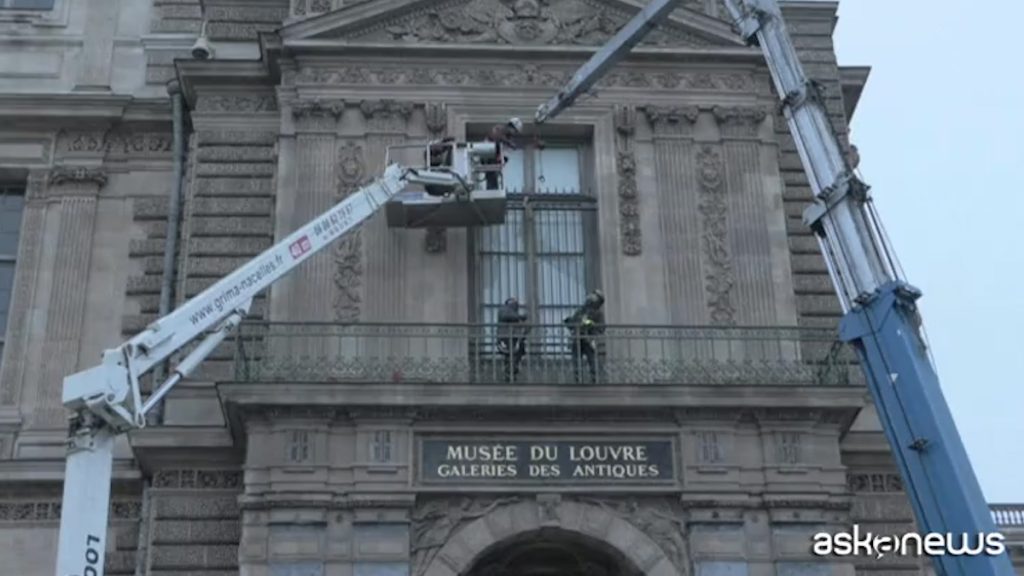
The Louvre heist still feels like a story pulled from a thriller — except it happened in broad daylight at one of the world’s most secure museums. Two months after the dramatic theft of nineteenth‑century crown jewels valued at nearly €90 million, the museum has begun installing visible security fixes: bars on a previously exposed window, recalibrated camera positions and other emergency measures. Yet these gestures raise uncomfortable questions about how such a blatant breach of protection could occur in the first place and whether symbolic repairs alone will be enough to restore public trust.
How the theft unfolded — and why it shocked the world
On 19 October, a small group of thieves entered the Louvre and, in under ten minutes, stole priceless jewel pieces from the Crown collection. The audacity of the raid — daytime, rapid, apparently targeted — stunned observers and experts alike. While arrests have been made in the ensuing investigation, the jewels themselves remain missing, increasing the sense of loss and mystery surrounding the incident.
Security lapses that should never have existed
Post‑incident audits and reporting highlighted a catalogue of vulnerabilities. The very window allegedly used by the perpetrators had been flagged in a previous assessment — notably by the jewellery house Van Cleef & Arpels — as a weak point. Cameras were misaligned or absent in critical zones. Shockingly, reports revealed that at least one key password guarding sensitive systems was as unimaginative as “Louvre”. These are not the failings of rogue individuals but systemic oversights in a complex institution where preservation and safety must be paramount.
What the new measures actually do
The recent installation of a grille over the compromised window is a clear, visible response — a necessary band‑aid that signals action to visitors and stakeholders. Museums and cultural sites often act conservatively when updating historic buildings, but the physical reinforcement now in place addresses an immediate vulnerability. However, bars and refreshed signage do not automatically imply that the underlying governance failures (risk assessment, staff training, maintenance cycles, and IT security protocols) have been comprehensively addressed.
Why arrests haven’t solved the problem
Law enforcement has identified and detained several suspects connected to the operation, which is an important step. Yet recovery of the objects is far from guaranteed. High‑value art and jewellery can move quickly through underground channels, be dismantled, or exit jurisdictions where recovery is almost impossible. This creates two parallel realities: a legal process that can punish perpetrators, and a cultural wound that remains open until the objects are physically back in public view.
The reputational damage and public trust
For the Louvre — a global symbol of cultural stewardship — the incident is particularly painful. Visitors and donors expect that institutions charged with national treasures will protect them effectively. When security gaps are exposed, it erodes confidence not just in one museum but in the entire museum sector’s ability to safeguard heritage. Rebuilding trust requires transparency and demonstrable changes, not only to hardware but to the management and oversight that underpin security strategies.
Lessons for museums worldwide
What visitors and supporters should expect next
Museum management faces difficult choices: balancing conservation of historic architecture with the need to install modern protective systems; communicating clearly without revealing security details that could be exploited; and ensuring that emergency measures become part of a long‑term plan, not a temporary public relations fix. Donors and governments will also be watching: funding for security upgrades and the stewardship of collections may become a higher priority across the cultural sector.
The human dimension behind the headlines
Beyond the jewels and the headlines, the story affects many people: curators, conservators, the security staff who care deeply for the collections, and the millions who feel a personal connection to cultural heritage. For them, the theft is a painful reminder of how fragile that heritage can be if authorities don’t treat protection as an ongoing responsibility. Visible repairs help, but the deeper work is organisational — ensuring that warnings are not merely recorded but acted upon, that technology keeps pace with threats, and that the mission to preserve history is protected at every level.