
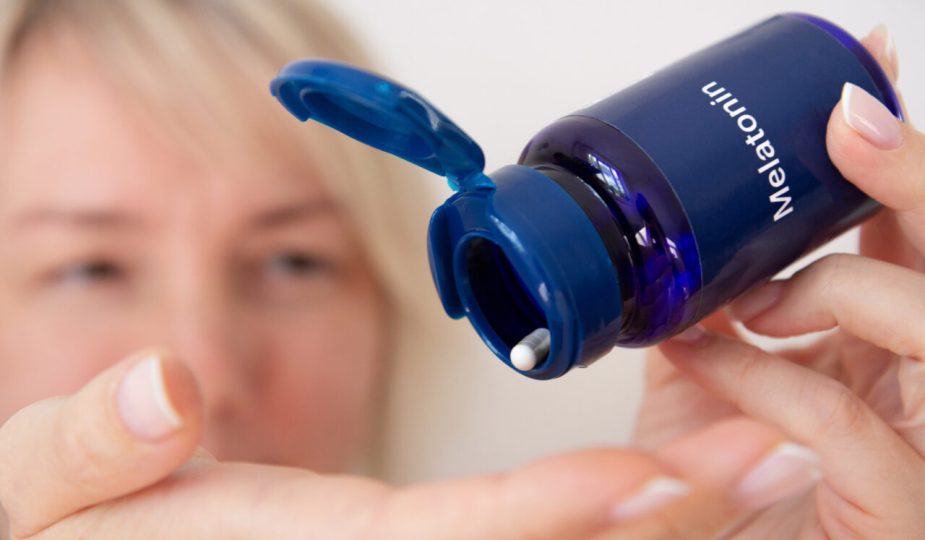
Melatonin and heart risk: what the new US data mean for regular users
Melatonin is sold everywhere as a gentle, “natural” sleep aid — an over‑the‑counter shortcut to a better night. Its image is so reassuring that many of us reach for it casually, night after night. But a large observational study presented at the American Heart Association Scientific Sessions 2025 raises questions: among adults with chronic insomnia, long‑term melatonin use was associated with higher rates of heart failure, hospital admissions and overall mortality. These preliminary findings don’t prove causation, but they invite a serious rethink of how we use melatonin — especially for chronic, nightly consumption.
What the study looked at
Researchers analysed electronic health records for over 130,000 adults diagnosed with chronic insomnia. They compared patients who had used melatonin for at least one year with those who had never used it. Importantly, study participants did not have a prior diagnosis of heart failure and were not taking other prescription sleep medications — a design intended to isolate melatonin’s potential effects.
Key findings in plain terms
These are striking associations, but they come with the caveat that observational data can be influenced by confounding factors. Still, the magnitude of the effect — especially for heart failure admissions — is large enough to merit attention from clinicians, regulators and consumers.
Possible explanations and unanswered questions
Several mechanisms could hypothetically link melatonin and cardiovascular risk, though none are proven in humans at population scale.
The authors tried to reduce confounding — for example by excluding people with prior heart failure and examining those with repeat prescriptions — but only randomised trials can robustly separate cause and effect.
Who might be most at risk?
The study focused on adults with chronic insomnia, not occasional users. That suggests the warning is particularly relevant for:
Practical guidance for readers
What clinicians and policymakers should consider
How to approach sleep health safely
Quality sleep is central to health, but the route to better sleep need not be pharmaceutical. A sensible strategy is to combine behavioural interventions (CBT‑i), environmental changes (cool, dark bedroom; consistent schedule) and targeted, short‑term use of pharmacological aids under medical supervision when needed. For many, a GP or a sleep specialist can help tailor a safer long‑term plan.
Takeaway for the reader
While melatonin can be helpful and appropriate in certain contexts, the new observational data suggest that habitual, long‑term use of melatonin in people with chronic insomnia should no longer be seen as universally benign. If you or someone you love relies on nightly melatonin, it’s wise to seek medical advice, review risks, and explore evidence‑based non‑pharmacological options for sleep improvement.