
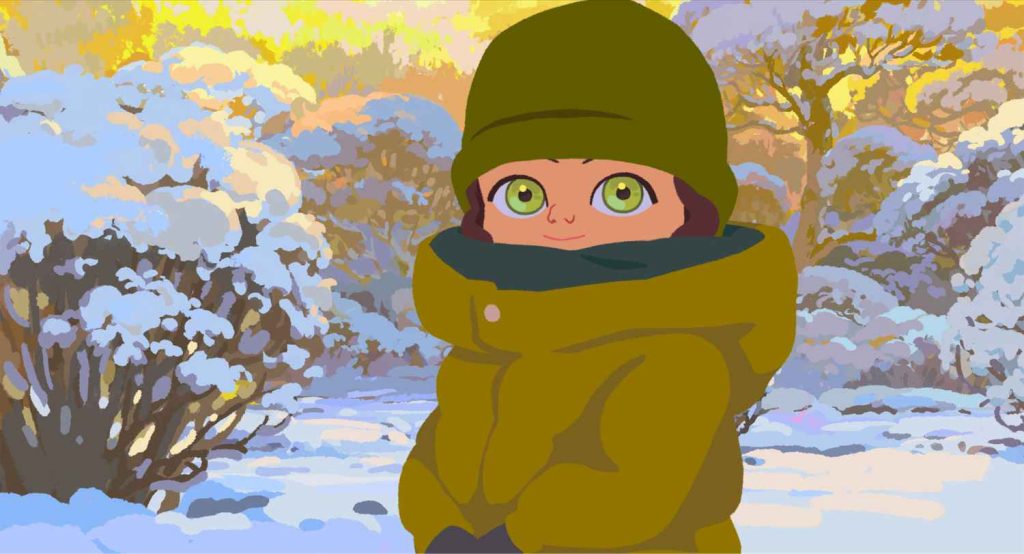
La Piccola Amélie: a colourful, Miyazaki‑inspired animated gem to watch this season
La Piccola Amélie, the debut feature by directing duo Maïlys Vallade and Liane‑Cho Han, lands as a warm, vibrant slice of animation that nods to Hayao Miyazaki without losing its own voice. Drawing on the autobiographical roots of Amélie Nothomb’s childhood in post‑war Japan, the film blends small domestic rituals, playful imagination and a strong visual identity to create an experience that appeals to both children and adults. If you love animation that treats childhood with tenderness and a dash of magical realism, this is one to add to your watchlist.
A story told through sensory detail
At the heart of the film is a simple, evocative inciting moment — a piece of white chocolate gifted by Amélie’s grandmother — which unfolds into a portrait of a young girl discovering culture, language and belonging. The narrative is intimate rather than epic: it concentrates on daily rituals, the music of the household (her mother is a pianist), and the quiet tutelage of Nishio‑san, the devoted nanny who becomes a moral compass and cultural anchor for Amélie. The film’s power lies in these small details; scenes are carefully composed so that gestures, textures and sounds speak as loudly as dialogue.
Visuals and animation: playful, precise and boldly coloured
Visually, La Piccola Amélie is a feast. The directors have chosen a palette that feels both contemporary and respectful of classic anime — saturated yet nuanced tones, warm interiors and sunlit streets. The animation skilfully balances fluid, expressive movement with moments of stillness that invite contemplation. Textures are rich: cloth, lacquered wood, sheet music, and domestic objects are rendered with affection, contributing to the film’s tactile realism. At times the style channels Miyazaki’s sensitivity to nature and everyday wonder; at others it injects a pop, modern energy that makes the film feel fresh.
Homage without imitation
It would be easy to label La Piccola Amélie as “Miyazaki‑influenced” and leave it at that, but the film is far more ambitious. It pays homage to studio Ghibli’s reverence for craft and childhood curiosity, yet it avoids imitation by cultivating its own rhythms and tonal shifts. Where Miyazaki often weaves environmental or epic myth into his stories, Vallade and Han keep their lens tight, exploring identity, memory and belonging through household scenes and small acts of bravery. The result is familiar in spirit but original in execution.
Characters who stay with you
Nishio‑san is a standout: an orphan of war who becomes the wise, patient caregiver. She embodies a lived wisdom — not preachy, but quietly powerful. Amélie herself is both curious and resolute, a child finding her place through ritual and asterisks of affection. The supporting cast — the distracted diplomat father, the music‑obsessed mother, and the interstitial figures of neighbours and local vendors — populate a world that feels lived‑in and deeply observed.
Soundtrack and pacing: a lullaby for the senses
The soundtrack plays an essential role, blending piano motifs with ambient sound design that enhances the emotional subtext. Score and silence are used judiciously: musical passages carry the film’s sentimental peaks, while quiet moments allow the viewer to absorb texture and gesture. The pacing respects the pace of childhood — variable, curious and full of pauses for noticing. This measured tempo allows small revelations to breathe.
Themes with gentle weight
La Piccola Amélie addresses identity and cultural belonging with a light but thoughtful hand. The film asks what it means to grow up between worlds — to be the child of expatriates yet shaped by the local culture — and explores how rituals, food and caretaking practices form the scaffold of identity. Importantly, it does so without heavy moralising; the film trusts its audience to feel the emotional truths embedded in everyday life.
Who should see it?
This film is ideal for families looking for animation that doesn’t talk down to children, and for adults who appreciate artful storytelling. It suits viewers who relish detailed world‑building and character‑driven plots rather than high‑concept spectacle. Because it operates on multiple levels — visual, emotional and cultural — La Piccola Amélie offers something to revisit and unpack, whether you’re watching with little ones or on your own.
Why it matters now
At a time when many animated features aim for global blockbuster appeal, La Piccola Amélie is a reminder of the intimate power of smaller, courageous stories. It shows that animation remains a unique medium for conveying interior life — for rendering the texture of memory and the shape of affection. The film is a celebration of the small rituals that carve out identity and a confirmation that animation can still surprise us with subtle, humane storytelling.
Notable craft and moments
Look out for sequences where domestic objects take on almost animate significance — a reused motif that echoes the theme of caretaking — and for the film’s choreography of hands: piano playing, stirring tea, the small ritual of unwrapping a treat. These sequences crystallise the directors’ visual language: a focus on touch, rhythm and the sensory logic of childhood.
La Piccola Amélie is the kind of film that lingers: a tender, colourful portrait of an unconventional childhood that invites repeated viewing and gentle discussion. Its animation is a balm, and its heart is quietly fierce.