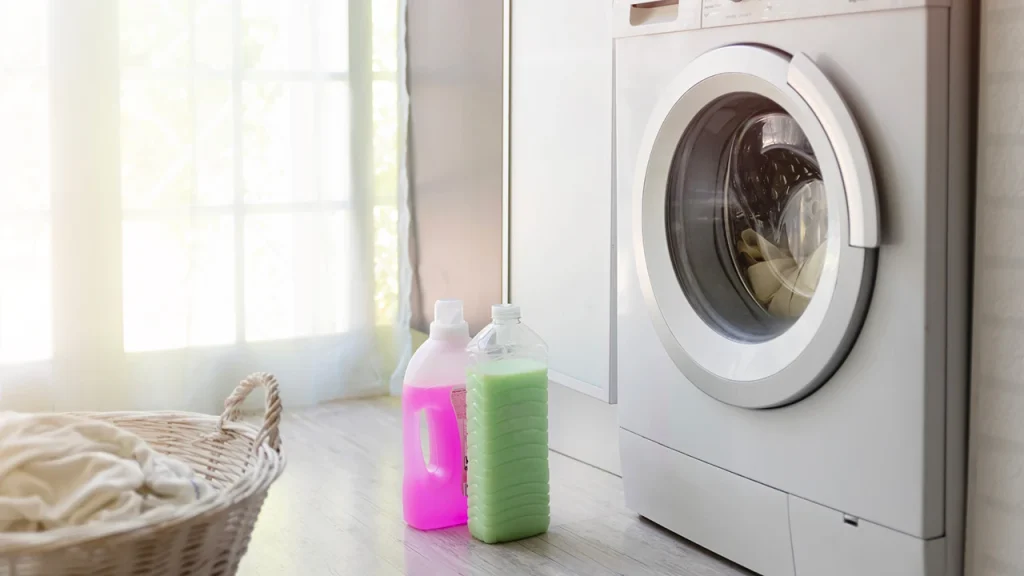
Is your laundry secretly damaging your skin? 9 expert tips to switch to skin‑safe detergent now

Your laundry could be silently irritating your skin — and it’s more common than you think. For many women (and men) sensitive or prone to eczema, the culprit isn’t only the creams or cleansers we apply: residues from laundry products — fragrances, enzymes, preservatives and whitening agents — can remain on fabrics and trigger irritation where clothes contact the skin. Here’s a practical, easy‑to‑follow guide to choosing truly skin‑friendly laundry products and changing simple habits that protect your complexion every day.

Why laundry products matter for skin health

Detergents are formulated to remove dirt, oils and stains, but some ingredients are highly reactive and can adhere to fibres after washing. On skin with an impaired barrier — typical in atopic or contact‑sensitive individuals — these residues increase the risk of red, itchy patches and allergic contact dermatitis. In short: even perfectly clean clothes can still be a source of skin flare‑ups if the wrong products are used.

What “dermocompatible” detergent really means

The term “dermocompatible” is increasingly used, but not all labels are equal. A genuinely skin‑friendly laundry product typically:

  • avoids known sensitising preservatives (for example methylisothiazolinone and similar compounds);
  • limits or eliminates added perfumes and essential oils that often contain strong allergens;
  • reduces or substitutes aggressive enzymes and optical brighteners that can irritate sensitive skin;
  • has been dermatologically tested and formulated with mild surfactants and a neutral pH.
  • How to read the label — the essential checklist

    Marketing claims like “gentle” or “suitable for sensitive skin” are not a guarantee. When choosing a detergent, look for:

  • a short, transparent ingredient list;
  • absence of common sensitizers (check for “thiazolinone” family, optical brighteners, certain enzymes and non‑specified “perfume”);
  • mentions of dermatological testing and suitability for atopic skin if available;
  • specific “unscented” or “fragrance‑free” wording (note: “no added fragrance” is different from fragrance‑free — prefer the latter).
  • Washing habits that reduce residue and irritation

    The right product helps, but so do good laundry practices:

  • avoid overdosing detergent — excess product increases residue on fabric;
  • prefer an extra rinse cycle, especially for baby clothes or garments next to irritated skin;
  • limit or skip fabric softeners, which are highly fragranced and a frequent source of reactions;
  • wash new clothes before wearing — finishes and treatments often contain chemicals that can cause discomfort;
  • use the correct temperature and follow care labels: high‑quality rinsing and correct cycles remove more residue.
  • Gentle alternatives and natural options — what to be mindful of

    Some people turn to “natural” or DIY solutions, but beware: natural ingredients can be allergens too. Instead consider:

  • fragrance‑free, dermatologically‑tested brands designed for sensitive skin;
  • powder detergents with fewer additives (sometimes leave less perfume residue than heavily perfumed liquids);
  • specialist baby or hypoallergenic ranges formulated to minimise irritants;
  • spot‑testing a small garment first if you try a new product on sensitive skin.
  • When to see a dermatologist

    If irritation persists despite changing detergents and washing habits, it’s time to consult a specialist. A dermatologist can:

  • identify allergic contact dermatitis via patch testing;
  • advise on a tailored routine for clothes and skincare;
  • prescribe reparative treatments to restore the skin barrier (emollients, topical therapies) while you remove the trigger.
  • Practical tips for families and households

  • wash the bedding and pyjamas of infants and eczema‑prone children with a tested sensitive formula and rinse well;
  • separate washing for potentially contaminating items (e.g. heavily soiled workwear) to avoid cross‑contamination;
  • reduce the number of perfumed products used overall — shampoo, body wash and laundry combined raise cumulative exposure;
  • inform care settings (nurseries, schools) if your child has a confirmed allergy so their clothes are treated appropriately.
  • Switching products: a simple, safe approach

    When you change to a dermocompatible detergent, introduce it gradually: wash essential items (bed linen, underwear, children’s clothes) first to monitor any reaction. If all goes well, expand to other loads. Keep a diary of any flare‑ups and the garments worn — this helps spot links between products and reaction patterns.

    Small changes at the laundry basket can have a surprisingly big impact on skin comfort and quality of life. By choosing the right products and being mindful of washing routines, you protect more than your clothes: you protect the skin you live in every day.

    Exit mobile version