
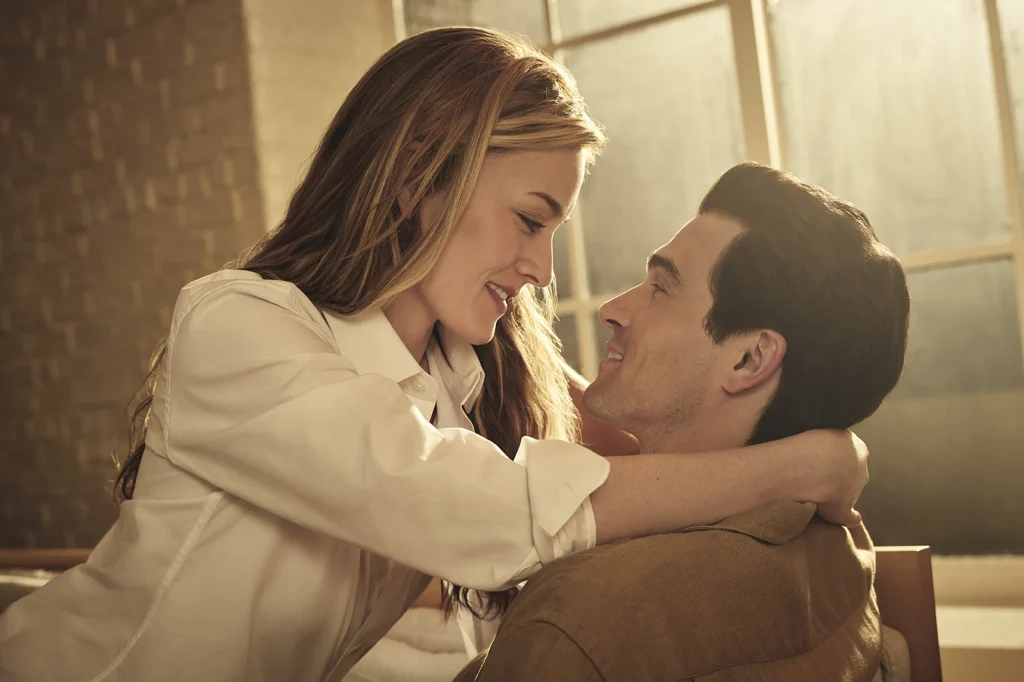
How the Paparazzi Destroyed Carolyn Bessette’s Peace: Episode 7 of “Love Story” Dissects the Toll
The seventh episode of “Love Story: John F. Kennedy Jr. & Carolyn Bessette” pulls no punches. Where earlier instalments lingered over young love and glamour, this chapter digs into a darker reality: the relentless, dehumanising attention of the tabloid press and how it slowly erodes a person’s sense of self. For viewers who follow the series for style and romance, this episode is a sobering turn — a reminder that fame’s sparkle often casts a long shadow.
From honeymoon bliss to a night‑camped press
The episode opens with the fragile calm after the honeymoon: John Jr. and Carolyn return to New York hoping for privacy and a fresh start. Instead, they walk into escalation. Paparazzi are no longer content with daytime photos; they literally camp outside the couple’s home in tents, waiting 24/7 for a single, exploitable image. It’s a striking visual that captures how invasive celebrity culture has become — and it sets the tone for the unraveling to follow.
Work, intrusion and the collapse of boundaries
Carolyn’s attempt to continue working is repeatedly thwarted by flashes and intrusion. During a meeting with Calvin Klein, photographers trail her, turning professional moments into public spectacle. Meanwhile, John Jr. faces pressure at the magazine he runs: sales are falling, and executives want a cover story featuring his wife. That conflict — public demand vs. private dignity — sits at the heart of the episode.
Family tensions feed the press machine
Complications escalate when family decisions are made without consultation. John’s brother Ed arranges a documentary with HBO about their father, a deal struck without John’s approval. Arguments within the family spill into public view, and the show uses those tensions to illustrate how relatives and insiders can, knowingly or not, fuel the media’s appetite.
The cruelty of tabloid narratives
As the narrative unfolds, the press’s tone flips from adoration to vilification. Tabloids begin publishing cruel narratives about Carolyn: she’s cold, overly ambitious, on medication, even “unpretty.” These attacks aren’t about facts; they are about framing and audience-ready judgment. The episode shows how quickly a persona can be weaponised to sell copy, and how that weaponisation damages the subject’s inner life.
Psychological aftermath: paralysis and shame
Sarah Pidgeon’s portrayal of Carolyn is delicate and devastating. The show focuses on small gestures — a tightened jaw, a room avoided, a stare gone vacant — to reveal the growing psychological toll. Carolyn isolates, senses betrayal from those she loves, and feels increasingly powerless. When photographers shout insults at a public event — calling her “bitch” and “drugged” — the humiliation is magnified by next‑day headlines that claim she’s gained weight or is “no longer attractive.” The episode captures how public shaming compounds private pain.
John Jr.’s dilemma: protector or enabler?
John Jr. is depicted as torn. He wants to shield his wife and family, yet he’s also tied to the magazine industry that profits from exposure. His choice to appear with the magazine and to allow certain photos is portrayed sympathetically but critically: the series asks whether his actions make him complicit in the exploitation he despises. Viewers are left to judge the complexity of loving someone who is under relentless public scrutiny.
Why this episode hits home
What stands out stylistically
The episode’s direction leans into intimacy and claustrophobia. Close framing, sudden pops of flash, and overlapping voices create a sense of suffocation. Costume and production design further underline isolation: while the world outside sees a chic, composed bride, the camera lingers on the small disarray that signals internal collapse. These choices make the viewing experience visceral.
Takeaways for viewers and families
Performance spotlight
Sarah Pidgeon gives a quietly powerful performance as Carolyn. Her expressiveness in moments of silence — a look away, hands clasped — conveys panic without melodrama. Paul Anthony Kelly’s portrayal of John Jr. captures a man at war between loyalty and professional survival. Their chemistry makes the emotional stakes believable; the audience roots for them even as they fumble under pressure.
Questions the episode leaves open
A viewing note for Princess‑Daisy readers
If you approach the series for its period glamour or costume moments, prepare for a sting: this episode strips away fantasy and shows the painful reality behind celebrity. It’s heavy, yes — but importantly, it frames a conversation about respect, consent and the unseen toll that fame inflicts on real people. For anyone interested in mental health, privacy or media ethics, this instalment offers plenty to reflect on — and to discuss with friends and family.