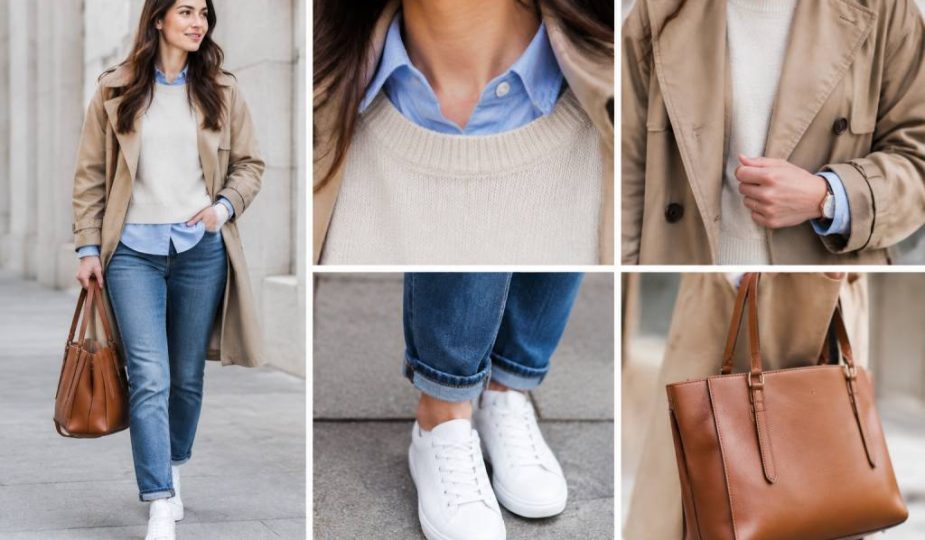
Layering is one of those styling skills that looks effortless when you get it right—and can feel a little like getting dressed in the dark when you don’t. The good news is that you don’t need a huge wardrobe or a perfect autumn forecast. A few thoughtful layers can make an outfit more comfortable, more versatile and far more interesting.
Whether you’re heading out on a chilly morning, working in an office that takes air conditioning very seriously, or trying to make a favourite dress work beyond summer, this guide will help you layer with confidence. The aim is to feel comfortable, not bundled up like you’re preparing for an expedition.
Start with the day you’re dressing for
Before choosing clothes, think about where you’re going and what the weather is likely to do. A layered outfit for a brisk walk is different from one for a warm train, a cool office and an evening outdoors. If you’ll be moving between places with different temperatures, make sure at least one layer is easy to remove and carry.
It can help to check the forecast for the whole day rather than just the temperature when you leave home. A light jumper might be just right in the morning but unnecessary by lunchtime. On rainy or windy days, a useful outer layer matters as much as what you wear underneath.
Think in terms of comfort, too. Do you tend to feel cold? Will you be walking a lot? Are you likely to sit still for long periods? The most stylish outfit is the one you can wear without spending the day tugging at a sleeve or wishing you had brought a coat.
Build your outfit from the inside out
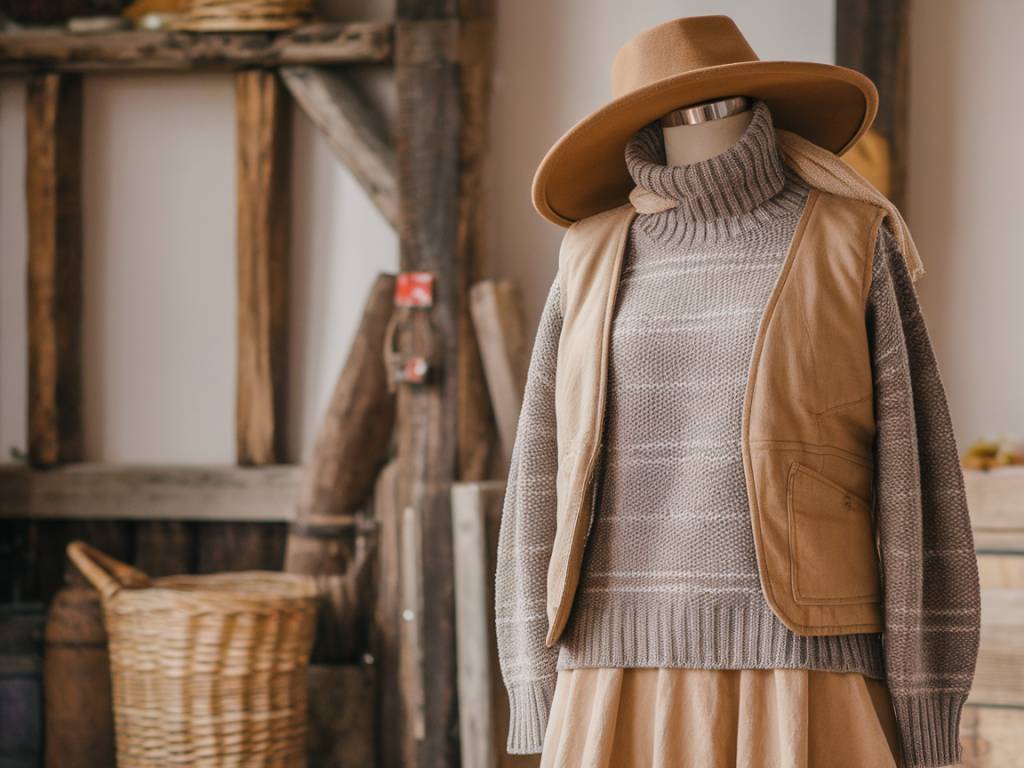
A simple way to layer is to think of your clothes in three parts: a base layer, a middle layer and an outer layer. You won’t always need all three, but the structure makes it easier to see what your outfit needs.
-
Base layer: The piece closest to your skin, such as a T-shirt, camisole, shirt or lightweight dress. Choose something comfortable that works on its own if the day warms up.
-
Middle layer: This adds warmth and shape. Try a cardigan, fine-knit jumper, waistcoat or relaxed blazer.
-
Outer layer: Your coat, jacket or rain layer protects you from the weather and often gives the outfit its finishing touch.
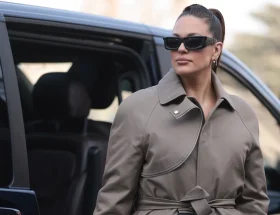
For example, a cotton T-shirt, a fine cardigan and a trench coat make an easy combination for changeable weather. Indoors, you can take off the trench; if the room is warm, remove the cardigan too. Each piece has a purpose, rather than adding bulk simply for the sake of it.
Not every outfit needs a thick base or a heavy middle layer. If your coat is warm, keep the layers underneath light. If you’re wearing a thin jacket, add warmth with a knit or a long-sleeved top. A little planning helps prevent the dreaded outfit that feels comfortable outside but impossible to sit in indoors.
Choose lightweight fabrics that work together
Several light layers are often more comfortable than one very bulky one. A fine cotton top, a soft knit and a coat can trap warmth while still letting you move easily. They’re also simpler to adjust as the day changes.
Pay attention to how fabrics feel against one another. A smooth shirt can sit neatly under a jumper, while a slippery blouse may shift around beneath a chunky cardigan. If a layer bunches up every time you move your arms, it probably isn’t the right partner for that outfit.
Fabric weight matters, but so does breathability. Cotton and lightweight knits are useful for everyday outfits, while wool blends can provide extra warmth in colder weather. For rainy conditions, a water-resistant coat is more practical than hoping a pretty knit will somehow repel a shower.
Comfort is also about what touches your skin. If wool feels itchy, wear a soft long-sleeved top underneath or choose a different knit. There’s no style rule worth spending the day scratching at your collar.
Balance proportions and keep layers comfortable
When several pieces are worn together, the shape of each one becomes more noticeable. A useful starting point is to combine one relaxed or oversized layer with pieces that have a little more definition. For instance, a loose blazer can work beautifully over a fitted top and straight-leg trousers.
If you love oversized jumpers, try wearing one over slim-fitting trousers or leggings. If you prefer a flowing skirt, a shorter cardigan or a neatly tucked-in top can help give the outfit shape. These aren’t strict rules; they’re simply ways to avoid feeling lost inside your clothes.
Check the fit in motion, not just in the mirror. Raise your arms, sit down and reach forward. Can you move comfortably? Are sleeves pulling under your coat? Does the waistband feel too tight once you’ve added a top? A quick test at home can save you from discovering the answers halfway through the day.
Length is another detail to play with. A shirt hem peeking out beneath a jumper can add a relaxed, layered effect. A long coat over a shorter skirt creates a different look from a cropped jacket over a dress. Try one visible difference in length at a time, then adjust until the proportions feel balanced.
Use colour to make the outfit feel pulled together
Layering gives you more opportunities to use colour, but you don’t need a complicated palette. Start with two or three shades that work well together. Neutrals such as cream, navy, grey, black and camel are easy to combine, while one brighter colour can add personality.
For example, navy trousers, a white shirt and a camel cardigan create a classic base. A colourful coat, scarf or bag can bring in a bolder shade without making the whole outfit feel busy. If you enjoy prints, let one piece take the lead and keep the other layers comparatively simple.
You can also create interest by repeating a colour in small ways. A burgundy knit might pick up the same tone in a patterned scarf or a pair of shoes. The pieces don’t have to match exactly; a similar shade is enough to make the outfit feel considered.
And if you prefer an all-black or all-neutral look, texture can do the work that colour would otherwise do. Combine a smooth shirt with a ribbed knit or a soft coat. Different textures give a simple outfit depth without making it feel overdone.
Layer dresses, shirts and everyday favourites
Layering is especially useful for making more of the clothes you already own. A summer dress can often be worn for longer with a fine-knit jumper, a long-sleeved top underneath or a jacket over the top. The best option depends on the shape of the dress and the temperature.
For a simple outfit, try a fitted long-sleeved top beneath a sleeveless dress, then add a cardigan if it’s cold. If the dress has a fuller skirt, a shorter jacket can help keep the shape clear. A belt can bring definition to a loose dress worn under an open coat.
Shirts are wonderfully flexible, too. Wear one open over a T-shirt, tucked into trousers beneath a cardigan, or under a sleeveless knit. If you’re wearing a jumper over a collared shirt, check that the collar lies flat and that the shirt fabric isn’t gathering around the shoulders.
For a casual weekend look, a T-shirt, open shirt, straight-leg jeans and a lightweight jacket are easy to adjust. For work, try a blouse under a fine jumper with tailored trousers and a coat. The same base pieces can look quite different with a change of shoes or accessories.
Make accessories part of the plan
Accessories can add warmth without requiring another full clothing layer. A scarf is an easy option on a cool morning, and it can be removed and tucked into a bag when you no longer need it. A hat can help on windy days, while warm socks make a real difference when you’re wearing boots.
Think about bags, too. If you’re carrying an extra cardigan or scarf, a bag with enough space makes the outfit more practical. A small foldable bag can be useful if you often take off a layer while out and about.
Accessories can also bring the look together. A belt can define the waist over a cardigan or dress, while jewellery can add a little polish when your clothes are simple. Just remember that scarves, necklaces and coat collars can compete for space. If the neckline already feels crowded, choose one detail to highlight.
Common layering mistakes to avoid
Too many thick layers are the fastest route to feeling uncomfortable. If your coat is substantial, choose lighter pieces underneath. If you need several layers for warmth, make sure each one fits smoothly over the last.
Another common issue is forgetting where the layers will go when you take them off. A bulky jumper may be cosy outdoors but awkward to carry around all afternoon. Choose pieces that can be tied over your shoulders, folded into a bag or worn comfortably on their own.
It’s also easy to add layers that don’t serve a purpose. Before heading out, ask yourself whether each piece adds warmth, protection, shape or colour. If it does none of those things—and makes the outfit less comfortable—it may be better left at home.
-
Check that sleeves don’t bunch beneath your coat.
-
Avoid pairing several bulky pieces unless the weather really calls for them.
-
Make sure the fabrics feel comfortable together and against your skin.
-
Try the outfit while sitting and moving, not only while standing still.
-
Bring a layer you can remove easily if temperatures are likely to change.
Try a few easy outfit formulas
When you’re short on time, a reliable outfit formula takes the guesswork out of getting dressed. Start with combinations you already enjoy and adjust them for the weather.
-
For a casual day: T-shirt, open shirt, jeans and a lightweight jacket. Add a scarf if it’s breezy.
-
For work: Blouse, fine-knit jumper, tailored trousers and a coat. Keep the inner layers light enough to wear indoors.
-
For a dress: Long-sleeved top underneath, dress, tights and a cardigan or jacket.
-
For a changeable forecast: Comfortable base layer, easy-to-remove cardigan and a weather-appropriate coat.
Once you find a combination that works, take note of it. A quick photo can be surprisingly helpful on a rushed morning, especially when you know the outfit is comfortable and suits the day ahead.
Make layering your own
There’s no single correct way to layer. Some days call for a neat shirt and structured jacket; others are best handled with a soft jumper and a coat you can throw on as you leave. Start with comfort, consider the weather and use colour, texture and proportion to make the outfit feel like you.
Most importantly, experiment with the clothes already in your wardrobe before buying anything new. Try a dress over a fine top, wear a shirt open as a light jacket, or see how a favourite cardigan looks beneath your coat. A few small changes can give familiar pieces a fresh feel—and make getting dressed for unpredictable weather much less of a puzzle.