
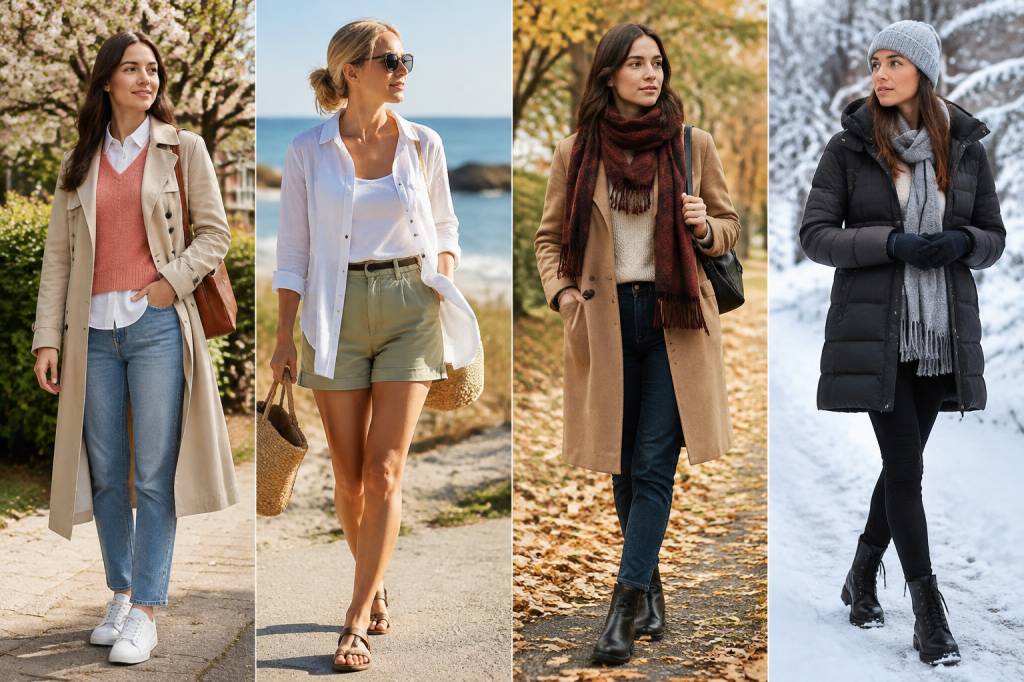
Getting dressed when the weather cannot make up its mind is a familiar challenge. One minute you are warm in the sunshine; the next, you are wishing you had brought a coat. Layering is the answer: it helps you adapt to changing temperatures, makes everyday outfits more interesting and lets you get more wear from the clothes you already own.
The secret is not to pile on as many pieces as possible. It is to choose layers that work together, feel comfortable and are easy to add or remove. Here is a practical guide to layering clothes through every season, with simple outfit ideas you can try straight away.
What does layering mean?
Layering means wearing several garments together so you can adjust your outfit as conditions change. A typical look might include a lightweight base layer, a shirt or knit in the middle and a jacket on top. Each piece has a purpose, whether it is adding warmth, protecting you from wind or rain, or bringing colour and texture to your outfit.
Think of it as a small wardrobe team: every layer should do a job, and the pieces should work well together. If you feel restricted, too hot or bulky, one of the layers probably needs to go.
Start with a comfortable base
Your base layer sits closest to your skin, so comfort matters. In warm weather, choose breathable cotton, linen or a soft cotton blend. When it is cold, fine merino wool or thermal fabric can help keep you warm without adding much bulk. A simple T-shirt, long-sleeved top, vest or fitted roll-neck can all make a useful base, depending on the season.
Fit is important, too. A base layer should sit smoothly beneath your other clothes rather than bunching at the waist or pulling at the shoulders. If you know you will be taking your cardigan or jacket off later, choose a base layer you are happy to wear on its own.
For example, a white cotton T-shirt under a striped shirt works for a relaxed spring day. In winter, a fine thermal top beneath a blouse can add warmth without changing the look of your outfit.
Add a middle layer for warmth and interest
The middle layer is where you can add warmth, colour or personality. Try a cardigan over a shirt, a lightweight jumper over a dress, or a waistcoat over a fitted top. Your middle layer should be easy to remove if the temperature rises, so avoid anything that is difficult to take off or carry.
When combining pieces, vary their weight and shape. A slim-fitting top beneath a relaxed cardigan often feels more comfortable than several thick garments worn together. You can also leave a shirt open over a vest, or let a collar and cuffs peek out from beneath a knit. These small details make an outfit look considered without requiring a complete wardrobe overhaul.
Not sure where to begin? Keep the base simple, then add one piece with a pattern, colour or interesting texture. A checked shirt, a ribbed cardigan or a soft denim jacket can do the work of making a basic outfit feel fresh.
Finish with an outer layer that suits the weather
Your outer layer protects you from the elements and often sets the tone for your outfit. A trench coat is handy in changeable weather, a lightweight denim jacket works for mild days, and a padded coat is useful when temperatures drop. If rain is likely, choose a water-resistant layer or bring a compact umbrella; a stylish outfit is less appealing when it is soaked through.
Think about what you will wear underneath before choosing a coat. If you regularly layer a chunky jumper, make sure the coat has enough room through the shoulders and arms. A coat that looks lovely on its own but will not close over your usual winter outfit may not be the practical choice it first seemed.
How to layer in spring
Spring weather can change between breakfast and the journey home, making it one of the best seasons for flexible outfits. Start with a breathable top, add a light middle layer and carry a coat that is easy to remove.
-
Wear a cotton T-shirt with a lightweight cardigan and a trench coat.
-
Layer a fine jumper over a midi dress, then add a denim jacket if the day turns breezy.
-
Try a shirt worn open over a vest with straight-leg jeans and a light raincoat.
Keep spring layers light enough to carry. A cardigan tied over your shoulders or a folded scarf in your bag can be useful when the temperature dips, without making you feel as though you packed for an expedition.
How to layer in summer
Layering in summer is less about staying warm and more about adapting to strong sunshine, cool evenings and air-conditioned spaces. Choose lightweight fabrics and pieces you can slip on or off without fuss. Linen, cotton and other breathable materials are usually comfortable in warm conditions.
-
Wear a linen shirt open over a vest or camisole for an easy daytime look.
-
Add a light cardigan to a dress for an evening out or a chilly restaurant.
-
Keep a thin overshirt in your bag if you will be moving between hot streets and cool indoor spaces.
Choose loose, comfortable layers rather than stacking several close-fitting pieces. If the sun is strong, a lightweight long-sleeved shirt can also provide useful coverage. A summer layer should feel airy, not like an extra blanket you are carrying around all day.
How to layer in autumn
Autumn is made for layering: the mornings are cooler, the afternoons can still be mild, and a little extra warmth is often welcome. This is the season to bring out shirts, light knits, blazers and jackets, while keeping an eye on the forecast.
-
Pair a long-sleeved top with a checked shirt, straight-leg jeans and a light jacket.
-
Wear a fine roll-neck beneath a sleeveless dress, then add a blazer or coat.
-
Try a cardigan over a blouse with a scarf you can remove indoors.
Autumn layers are a good opportunity to mix textures. Denim, soft knits, cotton shirts and corduroy can look lovely together. To keep the outfit balanced, combine a chunkier piece with simpler, smoother fabrics rather than wearing several heavy textures at once.
How to layer in winter
In winter, warmth comes first, but it is still possible to avoid feeling bulky. Begin with a thin, close-fitting thermal or merino base layer, add a shirt or fine knit, and finish with a warm coat. A scarf, hat and gloves can provide extra comfort without requiring another thick jumper.
-
Wear a thermal top under a blouse, with a cardigan and a warm coat on top.
-
Layer a fine roll-neck beneath a dress, then add tights, boots and a long coat.
-
Combine a lightweight jumper with a padded coat and a cosy scarf for outdoor walks.
Pay attention to the details that help keep warmth in. Button or zip your coat when you are outside, and consider socks that work with your shoes or boots. If you are walking between warm buildings, choose layers that you can remove easily so you do not overheat once indoors.
Use proportion to keep outfits comfortable
Layering can add volume, so think about how your clothes sit together. If your top layers are loose, a more streamlined base can help the outfit feel balanced. If you are wearing a fuller skirt or wide-leg trousers, a shorter jacket or a neatly tucked-in top can keep the shape clear.
There are no strict rules, and the best fit is the one that feels good on you. The key is to check that you can move comfortably. Raise your arms, sit down and walk around before heading out. If your sleeves twist or your coat pulls across your back, try a different combination.
Choose colours and patterns that work together
A simple colour plan makes it easier to combine layers. Start with a base of neutral shades such as black, navy, cream, grey or denim, then add one or two colours you enjoy wearing. You might pair a cream top and blue jeans with a green cardigan, or wear a navy dress beneath a checked coat.
Patterns can work together, too, but it helps to vary their scale. If your shirt has a small print, try a larger check or a plain outer layer. If you prefer a quieter look, let one patterned piece take centre stage and keep the rest of the outfit simple.
Common layering mistakes to avoid
-
Wearing too many bulky pieces: Swap a thick base layer for a fine thermal or lightweight knit.
-
Ignoring the forecast: Check the temperature and chance of rain before deciding which outer layer to take.
-
Forgetting what you will carry: If you are likely to remove a layer, choose one that folds or drapes easily.
-
Mixing uncomfortable fabrics: Scratchy or restrictive pieces can make even a beautiful outfit hard to wear all day.
-
Adding layers without a reason: Each item should provide warmth, coverage or a detail you genuinely like.
Make the most of your wardrobe
You do not need a completely new wardrobe to get better at layering. Start with the pieces you already reach for: a favourite T-shirt, a cardigan, a shirt and a coat. Try wearing them in different combinations, and notice which ones feel comfortable as the day changes.
A quick outfit check can help: Is the base comfortable? Can you remove a layer easily? Will your outerwear suit the weather? If the answer is yes, you are ready to go. With a few thoughtful combinations, the same clothes can work across more seasons, and getting dressed on a changeable morning becomes much less of a guessing game.