
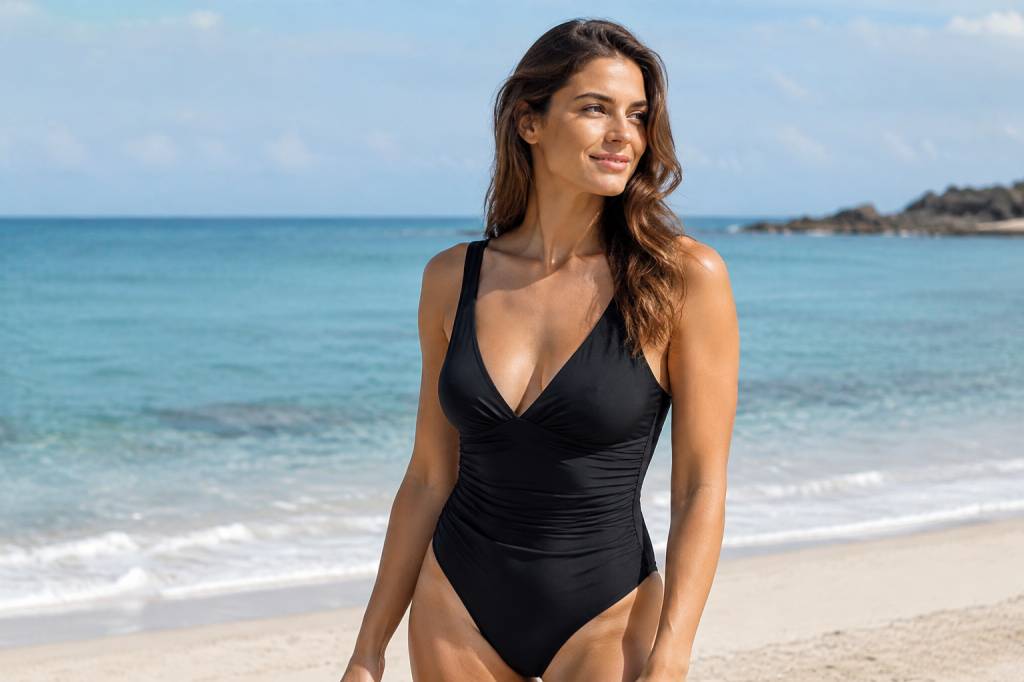
A beautifully chosen one-piece swimsuit can do far more than cover up: it can make you feel polished, comfortable and ready to enjoy the day. The trick is finding a design that fits your body and your plans, rather than choosing one simply because it looks wonderful on a model. Designer swimwear offers thoughtful details, quality fabrics and distinctive cuts, but the right fit still comes down to how a swimsuit feels on you.
Whether you are planning a beach holiday, a spa weekend or a few sunny afternoons by the pool, these practical tips will help you choose a designer one-piece with a flattering fit and lasting style.
Start with the fit, not the label
A designer name may catch your eye, but the swimsuit’s fit is what makes it worth wearing. A one-piece should feel secure without digging in, pulling across the body or restricting your movement. When you try one on, sit down, raise your arms and twist gently from side to side. If the fabric shifts or the straps slide at home, they are likely to do the same beside the pool.
Pay attention to the length of the torso. This is easy to overlook when a swimsuit looks lovely on the hanger, yet it can make all the difference. If the body feels too short, the straps may pull painfully on your shoulders or the fabric may ride up. If it feels too long, the swimsuit can sag or wrinkle around the middle. Some brands offer long-torso options, which are worth seeking out if standard one-pieces often feel uncomfortable.
Also check the leg openings and back. They should lie smoothly against your skin, offering coverage that feels secure without pinching. A flattering swimsuit is not one you have to keep adjusting; it is one you can forget about while you swim, stroll or reach for your sunglasses.
Choose a shape that suits your proportions
There is no single cut that flatters everyone, and that is good news. The most useful question is not “Which swimsuit should I wear for my body shape?” but “Which details make me feel comfortable and confident?” Think about the areas you like to highlight, the level of coverage you prefer and how you intend to wear the swimsuit.
-
For extra bust support: Look for a built-in bra, adjustable straps, shaped cups or an underwire. A wider band beneath the bust can provide a more secure feel than a simple, stretchy panel.
-
For a longer-looking silhouette: A V-neck, vertical seam or gentle ruching can draw the eye upwards and create an elegant line. A higher-cut leg can also make the legs appear longer, if that is a style you enjoy.
-
For more coverage: Consider a higher neckline, a fuller back or a modest leg opening. These details can feel reassuring without making a swimsuit look less modern.
-
For a defined waist: Side ruching, colour-blocking or a wrap-inspired front can add shape. Look for details that lie flat rather than bunching when you move.
These are options, not rules. A high neck can look beautifully striking on one person and feel too restrictive on another. Try different cuts if you can; sometimes the style you did not expect to love is the one you reach for all summer.
Look for support where you need it
Support is about more than cup size. The construction of the whole swimsuit affects how secure it feels, especially if you plan to swim rather than simply lounge with a book. Adjustable straps let you fine-tune the fit, while a stable underband can help hold the bust comfortably in place. Removable cups are handy if you prefer to customise the shape or simply want the option to take them out.
If a swimsuit has underwire, check that it sits flat and does not poke at the sides or centre. The cups should contain the bust without spilling over the top or leaving excess fabric. For larger busts, wider straps and a higher back can often feel more comfortable because they distribute the weight more evenly.
Do not assume that a smaller size will give you more support. If the swimsuit cuts into your shoulders or creates uncomfortable pressure, it is not a clever fit. A well-designed one-piece should feel supportive without making you count the minutes until you can change.
Understand fabric, lining and construction
Designer swimwear can be an investment, so the fabric should earn its place in your holiday suitcase. A quality swimsuit usually feels smooth and substantial, with enough stretch to move with you and enough recovery to return to shape. Give the fabric a gentle stretch in the fitting room: it should not become thin or transparent when pulled.
Lining also matters. A fully lined swimsuit can feel more secure and help the garment keep its shape. Check that the lining lies smoothly, especially around the bust, stomach and leg openings. Bunched or twisted lining can make even an expensive design uncomfortable.
Read the care label before you buy. Chlorine, salt water, sunscreen and heat can all affect swimwear over time. Rinsing your swimsuit in cool water after wearing it and letting it dry flat in the shade are simple habits that can help preserve its colour and elasticity. Avoid wringing it out; roll it gently in a clean towel instead.
Pick colours and details you will wear again
Timeless style does not mean choosing the plainest swimsuit available. It means picking a design you can imagine wearing for more than one holiday and in more than one setting. Black, navy, chocolate, deep red and elegant green are dependable choices, while a classic stripe or subtle print can add personality without feeling tied to a single season.
Consider how the colour works with the rest of your wardrobe. A one-piece in a rich, solid shade can double as a bodysuit under wide-leg trousers, a linen skirt or a relaxed shirt. That makes it useful beyond the pool and can be especially handy when packing light. Just make sure the fabric is designed for swimwear and remains comfortable when worn dry.
Details such as a square neckline, a gathered front, a belt or a well-placed clasp can give a simple swimsuit character. The best embellishments feel intentional and secure. If a buckle, tie or decorative ring looks delicate, check that it is comfortably finished and unlikely to catch on a beach bag or cover-up.
Get the sizing right when shopping online
Shopping for swimwear online can be convenient, but your usual clothing size is only a starting point. Sizes vary between designers, and swimwear has to fit closely enough to stay in place. Measure your bust, waist and hips, then compare them with the brand’s size chart. If your measurements fall between sizes, check the product notes and reviews before deciding.
Customer reviews can be particularly helpful when they describe fit rather than simply saying a swimsuit is “lovely”. Look for comments about torso length, bust support, coverage and whether the fabric feels true to size. A review from someone with a similar fit concern may be more useful than a dozen general compliments.
Before placing an order, check the returns policy. Some retailers cannot accept returns on swimwear for hygiene reasons, or may require the protective liner to remain in place. Try the swimsuit on over clean underwear, keep the tags attached and follow the retailer’s instructions. It is much easier to assess the fit before the swimsuit has been worn at the beach.
Try it on with your holiday plans in mind
The perfect swimsuit depends partly on what you want to do in it. For laps in the pool or an energetic day at the beach, a secure neckline and straps are practical priorities. For relaxing beside the water, you might prefer a lower back, a striking neckline or a softer, more fashion-led shape. If you want one swimsuit for both, choose a design that feels stable when you move but still works with your favourite cover-up.
When you try a one-piece on, check it in good light and from several angles. Smooth the fabric into place, then move around rather than standing still in front of the mirror. Does the neckline stay put? Does the back feel comfortable? Can you bend without worrying about coverage? These small checks can reveal more than a quick glance.
Imagine a swimsuit that looks stunning but needs constant tugging every time you stand up. It may photograph beautifully, but it is unlikely to become your holiday favourite. A practical fit and a little glamour can happily coexist; you do not have to sacrifice one for the other.
Build a simple, polished beach look
A well-chosen one-piece is easy to style. Add a linen shirt for a relaxed layer, or pair it with a breezy skirt or tailored shorts when you head away from the pool. Flat sandals, a sunhat and a spacious tote make the outfit feel finished without demanding much effort. If your swimsuit has a bold print or a detailed neckline, keep accessories simple and let it take centre stage.
Think about comfort in the heat, too. A light cover-up is useful when walking to lunch or taking a break from the sun, while sunglasses and a suitable sunscreen are essentials for protecting yourself outdoors. A beautiful swimsuit is one part of a good beach-day wardrobe, not a substitute for thoughtful sun protection.
Choose for confidence and longevity
Before making your final choice, ask yourself three things: Does it fit comfortably? Does it suit the way I plan to wear it? Can I picture myself reaching for it next summer? If the answer to all three is yes, you may have found a swimsuit that deserves its place in your wardrobe.
Designer one-pieces are at their best when careful construction meets a style you genuinely enjoy wearing. Focus on support, torso length, fabric and the details that make you feel like yourself. With the right fit, your swimsuit will not just look lovely in the mirror; it will let you enjoy the sunshine without a second thought.