
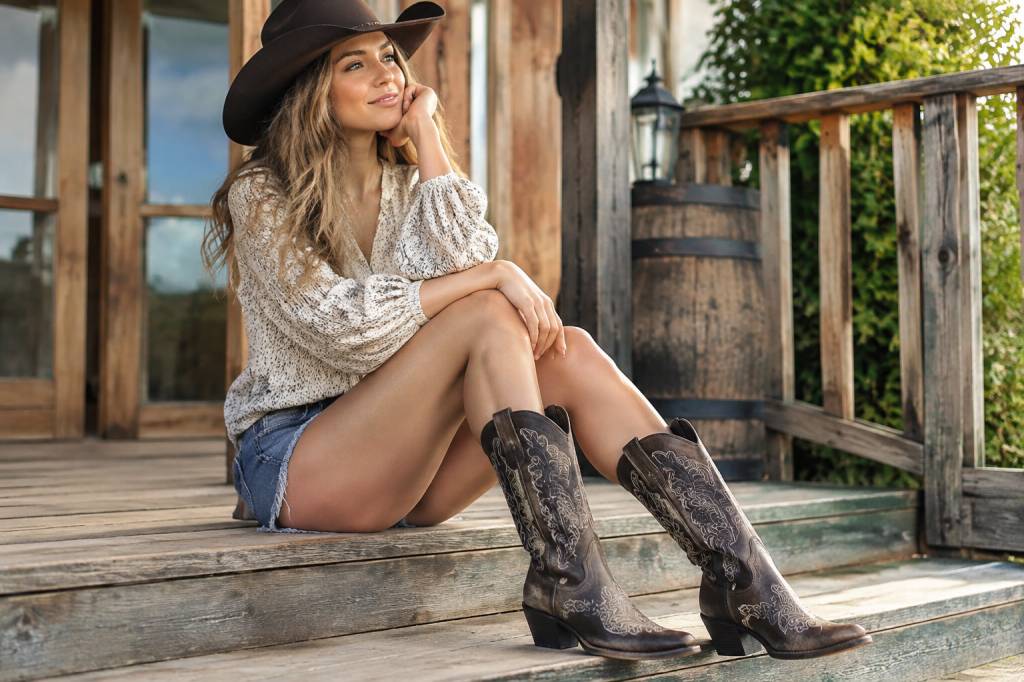
Designer cowgirl boots have a way of making an outfit feel instantly more considered. They can bring a little Western character to a simple dress, add polish to jeans, or become the standout piece in an otherwise understated look. But the prettiest pair is not always the pair you will want to wear all day. The real trick is finding boots that feel as good as they look.
Whether you are buying your first pair or adding to a well-loved collection, it helps to think beyond the label. Fit, materials, construction and versatility all matter. Here is how to choose designer cowgirl boots that suit your style and your feet, without ending up with a beautiful pair that spends most of its time in the wardrobe.
Start with how you plan to wear them
Before browsing colours and decorative stitching, picture the occasions you are shopping for. Do you want boots for everyday errands, weekends away, festivals, or nights out? A pair intended for frequent wear needs different qualities from one chosen mainly for special occasions.
For everyday outfits, look for a comfortable heel height, a stable sole and a colour that works with clothes you already own. Dark brown, tan and black are easy to style across seasons. If you want a more noticeable pair, a distinctive colour or embroidered design can make a simple outfit feel personal—but think about whether you will enjoy wearing it with more than one look.
For an occasional statement, you might choose a taller shaft, intricate stitching, metallic details or a bold shade. There is no rule that says practical boots must be plain. Just be honest about your plans: if you expect to walk around town for hours, comfort should still be on the list.
Get the fit right before you fall for the design
A good fit is the foundation of a good boot. Cowgirl boots often feel different from trainers or everyday ankle boots, so do not assume your usual size will fit exactly the same way. Try them on later in the day, when feet can be slightly larger, and wear the socks or tights you expect to pair with them.
Your toes should have room to move without sliding around. The ball of your foot should sit in the widest part of the boot, and your heel may lift slightly as you walk. A little heel movement is common in a new pair, but it should not feel as if your foot is coming out of the boot. The fit around the instep should feel secure, not painfully tight.
Pay attention to the boot opening, too. A pull-on style needs enough room for your foot to pass through comfortably, while the shaft should not pinch your calf. If you plan to wear the boots over jeans, take the jeans with you when trying them on. If you prefer dresses, check that the top edge feels comfortable against your leg.
Do not rely on the idea that painful boots will “break in” perfectly. Quality leather can soften and adapt, but a boot that pinches, rubs or presses sharply in the shop is unlikely to become a dream fit through sheer optimism. If the fit is close but not quite right, check whether the brand offers different widths or consult a footwear professional before buying.
Choose a heel you can actually walk in
The heel changes both the look and feel of a cowgirl boot. A lower, broader heel is usually a practical choice for daily wear because it offers a steady base. A higher heel can create a more dressed-up silhouette, but it may put extra pressure on the ball of your foot.
Think about your normal day. If it includes a commute, shopping, standing at events or walking on uneven ground, stability is worth prioritising. Try walking on a hard floor and, if possible, a carpeted surface. A boot should feel balanced rather than as if it is tipping you forward.
Heel shape also affects the overall style. A traditional angled heel gives a distinctly Western feel, while a blockier shape may look more contemporary and feel reassuring underfoot. Neither is automatically better; the right choice is the one that matches your wardrobe and the way you move.
Look closely at materials and construction
Designer boots can be made from a range of materials, including leather, suede and high-quality alternatives. Each has its own character and care needs. Leather can develop a soft, individual finish over time, while suede has a velvety texture that feels especially lovely with autumn and winter outfits. Vegan materials may appeal if you prefer to avoid animal-derived products, but check the manufacturer’s information so you know what you are buying.
Look at the stitching, seams, sole and heel. Neat, consistent stitching is a useful sign of careful finishing, while a securely attached sole and well-made heel are important for regular wear. Check product details for information on lining and construction, and look for clear guidance on cleaning and maintenance.
Decorative details are part of the pleasure of a designer pair, but they should not distract from quality. Embroidery, perforations, studs and contrast panels can be beautiful. Make sure they are finished cleanly and placed where they are unlikely to catch on clothing or irritate your skin.
Find a shaft height that works with your wardrobe
Cowgirl boots come in a variety of shaft heights, from ankle styles to taller designs. Ankle boots are often easy to wear with straight-leg jeans, skirts and dresses. Mid-calf boots give a classic Western look and can be styled with skinny jeans tucked in or with hemlines that leave the boot visible.
Taller shafts can make a striking outfit, particularly with a short dress or skirt, but it is important to check how they feel when you sit, bend and walk. The top edge should not dig into your leg. If you have fuller calves, look for brands that provide shaft measurements or offer different calf fits. Measuring your calf over the clothes you expect to wear can help you compare styles more confidently.
Consider proportions as well as comfort. A tall boot can balance a flowing dress, while a shorter pair may feel lighter with cropped trousers. The best height is not necessarily the most dramatic one; it is the one you will reach for without having to plan your entire outfit around it.
Choose a colour and design you will enjoy wearing
Classic shades are a safe starting point, but there is no need to keep your style neutral if that is not you. A warm cognac boot can add richness to denim and floral prints. Black feels sharper and works well with darker outfits. Cream, red or patterned designs make more of a statement and can be surprisingly versatile when the rest of your look is simple.
For a first pair, think about the colours in your wardrobe. If you wear plenty of blue jeans, both tan and dark brown can work beautifully. If you often choose black dresses or tailored pieces, black boots may fit seamlessly into your outfits. A colourful pair can be a lovely second purchase once you know which shape and height you enjoy wearing.
Also consider the details you are drawn to. Elaborate embroidery may feel special, while a clean, minimal boot can be easier to dress up or down. Ask yourself whether you love the design itself or simply like how it looks in a styled photograph. It is a small question that can save you from an expensive case of buyer’s remorse.
Think about comfort features and the insole
Comfort comes from more than the heel. A cushioned insole, supportive footbed and flexible sole can make a noticeable difference, especially if you plan to wear your boots for several hours. Check the product description for these features and inspect the inside of the boot when possible.
If you use orthotic insoles, check whether the original footbed can be removed and whether there is enough room for your insert. A boot that fits beautifully without an orthotic may feel tight once you add one. If you are shopping online, look for clear sizing advice and a return policy that allows you to try the boots indoors.
New boots can sometimes rub at the heel or ankle. Wear them around the house for short periods before taking them out for a full day. This gives you a chance to spot pressure points while you can still change socks, adjust your outfit or decide that the fit is not right. A blister plaster is handy, but it is not a substitute for comfortable footwear.
Build outfits around the boots
One reason cowgirl boots earn their place in a wardrobe is their range. For an easy daytime look, pair them with straight-leg jeans, a simple top and a jacket. Let a small section of the boot show, or tuck in narrower jeans if the shaft is comfortable and the fabric sits smoothly.
For a more feminine outfit, wear boots with a midi dress or skirt. A soft floral print can balance the stronger shape of the boot, while a denim dress gives the look a relaxed Western feel. For evenings, try a clean-lined dress with a more refined boot and keep accessories simple so the footwear remains the focus.
In cooler weather, add tights, a knit dress and a tailored coat. In warmer months, a lighter-coloured boot can work with a floaty dress or denim shorts. You do not need a full Western-themed outfit unless that is your style. Often, one pair of boots is enough to give a familiar outfit a fresh twist.
Make a thoughtful investment
Designer boots can be a significant purchase, so take a moment to compare options. Check the materials, construction, sizing information, care instructions and returns policy—not just the product photographs. Read reviews for comments about fit, comfort and how the boots feel after a few hours of wear.
Cost per wear can be a useful way to think about value. A pair that works with several outfits and feels comfortable enough for regular use may be a better investment than a more expensive style that suits only one occasion. That does not mean you should buy the most practical option every time. It simply helps to know whether you are shopping for an everyday favourite or a special statement piece.
Finally, look after the boots once they are yours. Follow the brand’s care advice, use products suitable for the material and allow damp boots to dry naturally away from direct heat. Store them upright or use boot shapers to help maintain their form. A little care can keep a much-loved pair looking polished for years.
Make your choice with confidence
The best designer cowgirl boots are the ones that feel like you: stylish enough to make you smile, comfortable enough to wear beyond the fitting room and versatile enough to earn their place in your wardrobe. Start with fit, consider your routine, and choose details that genuinely appeal to you. When the right pair comes along, you should be able to imagine where you will wear them—and look forward to getting there on foot.