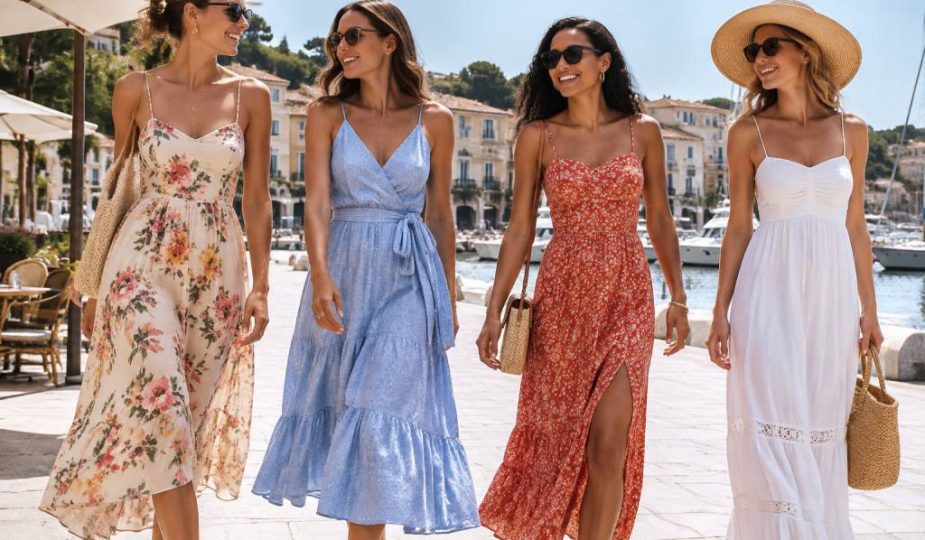
Summer dressing should feel effortless: one lovely dress, comfortable shoes, and a bag big enough for your sunglasses and whatever the day brings. A designer sundress can make that simple formula feel special, but choosing the right one is about more than a label. The best dress suits the occasion, feels good in the heat, and is something you will genuinely want to wear again.
From garden parties and city lunches to beach days and summer weddings, here is how to find a designer sundress that earns its place in your wardrobe.
Start with the occasion
Before falling for a striking print or a beautifully draped skirt, think about where you will wear the dress. A sundress for an afternoon picnic has different needs from one for a wedding or a day of sightseeing. Consider the setting, how much walking you will do, and whether you need to dress modestly or bring an extra layer.
For a relaxed daytime outing, look for a breathable dress that does not need constant adjusting. A cotton poplin shirt dress, a simple linen style, or a softly gathered midi can look polished without feeling overly formal. Heading somewhere more special? Choose a refined silhouette, an interesting neckline, or thoughtful details such as covered buttons or delicate embroidery.
A useful question to ask yourself is: would I feel comfortable sitting, walking, and enjoying a meal in this dress? If the answer depends on standing perfectly still, it may not be the right choice for a long summer day.
Choose a fabric that works in the heat
Fabric can make or break a summer dress. Natural fibres such as cotton and linen are popular for warm weather because they feel light and breathable. Linen has a relaxed texture that suits casual plans, while cotton can feel crisp and hold its shape well. Some designer dresses use blends to reduce creasing or add drape, so check the fabric label rather than judging by appearance alone.
Viscose and other lightweight fabrics can skim the body beautifully, but their feel and care requirements vary. If you are shopping online, read the product details for fabric composition, lining, and washing instructions. A lined dress may offer extra coverage, but it can also feel warmer in the midday sun.
Creasing is worth considering, too. Linen wrinkles as you wear it; that is part of its charm, but it may not be ideal if you want a crisp look from morning to evening. If you would rather spend your holiday exploring than ironing, choose a fabric that is easy to care for and pack.
Find a silhouette that feels like you
The most flattering sundress is not defined by a particular body shape or trend. It is the one that makes you feel comfortable and confident. Think about what you like wearing already: a defined waist, a loose fit, a fitted bodice, or a skirt with plenty of movement. That familiar starting point can help you choose something new without buying a dress that feels unlike you.
Wrap dresses are adjustable and can create a waistline, while fit-and-flare styles offer room through the skirt. A straight-cut shift can feel easy and modern, and a tiered dress brings a playful, relaxed look. For a more streamlined shape, try a column or slip-style dress, checking that the fabric is not too clingy for your plans.
Length also changes how a dress works. A mini can be fun for a casual afternoon, but consider whether you will be climbing stairs or chasing after a train. A midi often moves easily between day and evening, while a maxi gives a more dramatic feel and can offer extra coverage. Try walking in the dress, sitting down, and lifting your arms before deciding it is the one.
Look closely at fit and finish
Designer pieces are often chosen for their cut, construction, and details, so take time to check how a dress is made. Look at the seams, the fastening, the lining, and whether the pattern matches neatly across key joins. These details may be subtle on a hanger, but they can affect how a garment feels and wears.
Pay attention to the fit around the shoulders and bust. Straps that slip, armholes that pull, or a neckline that needs frequent adjusting can quickly become irritating. If a dress has a tie waist or adjustable straps, consider whether those features make it easier to customise the fit. When shopping online, compare the brand’s size guide with your measurements and read reviews for comments on sizing or length.
If you are between sizes, the best choice depends on the cut and fabric. A structured bodice may need a closer fit, while a loose style can allow more flexibility. Check the returns policy before ordering, especially when buying a special-occasion dress or a label you have not worn before.
Dress for a summer wedding
A summer wedding calls for something celebratory that still lets you enjoy the day. Look for a dress with a little polish: a defined waist, a graceful midi or maxi length, or an elegant print. Floral patterns are a classic choice, but a bold colour or understated solid can look just as lovely.
Check the invitation for a dress code, and avoid white or anything that could be mistaken for bridal wear. If the ceremony is in a place of worship, a light shawl or cropped jacket may be useful. For an outdoor reception, think about footwear as well as the dress. A heel that sinks into grass can turn a beautiful outfit into an obstacle course, so block heels, wedges, or smart flats may be kinder to your feet.
Choose a fabric that stays comfortable through hours of photographs, conversation, and dancing. A dress that looks elegant but restricts your movement is unlikely to become a favourite memory. Before the event, try on the complete outfit and make sure you can sit and move easily.
Keep beach days and holidays easy
For a beach holiday, practicality matters. A loose cotton or linen sundress is easy to pull on over swimwear and comfortable for a walk to lunch. Look for a design that does not require complicated fastenings or careful handling, especially if you expect to change between the beach and a café.
Consider the colour and print in bright sunshine. Pale shades can look fresh, but check whether the fabric becomes sheer when held up to the light. A lining or slip may help, although an extra layer can feel warm. A darker print can be easier to wear from the beach into town, while a bright pattern brings a cheerful holiday mood.
For travel, choose a dress that packs well and works with more than one pair of shoes. A midi dress might suit sightseeing with sandals and feel dinner-ready with earrings and a light layer. That kind of versatility is especially useful when your suitcase is already full of “just in case” outfits.
Make a city lunch or garden party feel special
For lunch in town, choose a dress that feels polished but not precious. A shirt dress with a belt, a neat sleeveless style, or a printed midi can work well with comfortable sandals. Add a lightweight cardigan if you will be indoors with strong air conditioning or out late when the temperature drops.
Garden parties often involve standing on grass, moving between shady and sunny spots, and balancing a drink while greeting people. A flowing dress is lovely, but consider whether the hem will drag or catch. Pair it with shoes you can walk in, and keep accessories simple enough that you do not spend the afternoon managing them.
A small change can shift the same dress from daytime to evening. Swap a canvas tote for a compact bag, add a pair of statement earrings, and choose a dressier sandal. You do not need a completely separate outfit for every summer plan.
Choose colour and print with confidence
Colour is personal, but it can also affect how often you wear a dress. If you usually reach for navy, cream, or green, a dress in a familiar shade may get more use than a bright colour that only works with one pair of shoes. On the other hand, a vivid print can be a joyful choice if it lifts your mood and feels like you.
Think about what is already in your wardrobe. A dress that works with your favourite sandals, jacket, and bag is easier to style than one that requires a completely new collection of accessories. If you are tempted by a bold print, look for one or two colours that connect with pieces you already own.
Consider cost per wear, not just the price tag
A designer sundress can be an investment, so think beyond the first occasion. Could you wear it to a wedding, on holiday, and for a relaxed dinner? Is the fabric durable enough for regular use? Can it be cleaned at home, or will it need specialist care? These practical questions help you decide whether the price makes sense for your lifestyle.
Before buying, try styling the dress in at least three ways. For example, wear a printed midi with flat sandals and a basket bag for lunch, add a light jacket for a cooler evening, and dress it up with jewellery for a party. If you cannot imagine reaching for it again after the event you bought it for, pause before purchasing.
Take care of the dress according to its label. Wash it gently when advised, store it somewhere dry, and avoid leaving it in direct sunlight for long periods. Thoughtful care helps preserve both the fabric and the colour, so the dress can accompany you through more than one summer.
Make your final choice
The right designer sundress balances style with real life. It should suit the occasion, feel comfortable in warm weather, and fit well enough that you can forget about adjusting it. Fabric, length, care instructions, and versatility all matter just as much as the designer name.
When you find a dress that makes you stand a little taller and still lets you enjoy your day, you have probably found a keeper. Choose one that feels like you, then let the summer plans take it from there.