
Games are no longer just a pastime: a new wave of game designers — many of them women — are deliberately crafting both video games and tabletop experiences that challenge stereotypes, explore injustice, and invite players to think differently. These creators are turning playful mechanics into tools for empathy and education, proving that the rules of a game can be designed to reveal social structures rather than reinforce them.
Why games are uniquely powerful for social change
Unlike passive media, games require active participation. Players make choices, take on roles, and directly experience consequences. This “embodied learning” is especially effective when the designer wants to prompt reflection: by stepping into someone else’s shoes and navigating constraints, players gain a visceral understanding of systems such as discrimination, privilege and power. In short, games can make abstract inequalities feel real.
Designing for empathy: methods that work
Successful socially conscious games tend to use a few recurring design strategies:
Spotlight on a few trailblazing projects
Some recent examples illustrate how varied and creative this work can be. “Dura‑Lande,” created by Marta Palvarini, uses a post‑apocalyptic Mediterranean setting to spotlight oppression, privilege and migration: each player crafts a backstory that intersects with others’, revealing how cultural contexts shape survival. Importantly, Palvarini co‑designs with people from across the region to avoid superficial portrayals.
“Pink*,” a tabletop project developed by a team including Letizia Vaccarella, blends playful formats with feminist themes; the game aims to expand representation by placing women’s experiences center stage and training players to recognise gendered assumptions through mechanics rather than lectures.
Tory Brown’s “Votes for Women” translates 72 years of suffrage history into a strategic board game, where players build coalitions, navigate political setbacks and learn how incremental tactics lead to systemic change. Rather than teaching history as a sequence of facts, the game makes the strategic challenges of movement building palpable.
From festivals to classrooms: where these games matter
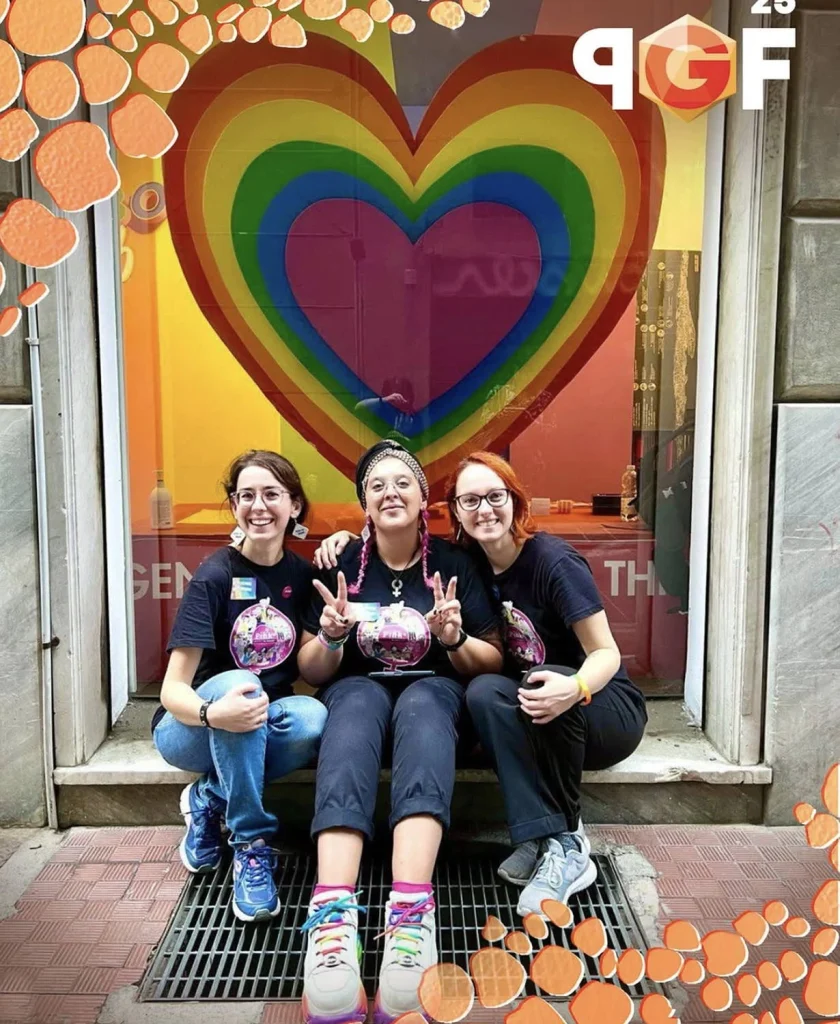
These titles are increasingly visible at major game events and festivals — Play in Bologna being a recent example — and are being used in educational settings. University departments and community groups have adopted them as experiential tools for courses in anthropology, political science and gender studies. Because games encourage active reflection, they often generate richer classroom discussions than traditional lectures.
The representation problem: a sector still in transition
Despite progress, the games industry remains unbalanced. Recent data indicate women represent roughly 23% of professionals involved in game creation and development in some regions. Visibility matters: more women designing, publishing and winning awards alters the kinds of stories that get told, the mechanics that are considered standard, and who feels welcome in the field.
Practical tips for players and buyers
Challenges and next steps for designers
Building games that tackle social issues involves risks. Funding is often scarcer for socially engaged projects; visibility and marketing support lag behind mainstream entertainment titles. Designers must also navigate the fine line between education and didacticism: the most successful games allow players to discover insights rather than delivering a moral lecture.
Why this movement matters for women
When women designers occupy the creative space, the industry’s subject matter broadens. Games that interrogate gender, migration, labour or civic rights are not “niche” — they shape public imagination and offer accessible ways to practice empathy. For players, especially younger generations, that exposure builds cultural literacy and prepares them for civic life.
How to spot a thoughtful social game
The rise of socially conscious game design is inspiring: by harnessing the unique affordances of play, designers are carving out a new public sphere where players experiment with ethical choices and collective strategies. For readers of Princess‑Daisy, these games offer both compelling entertainment and a gentle tool for broadening perspective — a reminder that play can be both joyful and transformative.