
Tonight’s film pick: François Ozon’s “Under the Leaves” — a slow‑burn family thriller to watch
François Ozon’s “Under the Leaves” (Sotto le foglie) lands tonight on Rai 3 as part of the “Voilà le cinéma” series — a perfect moment to catch a quietly unsettling piece of contemporary French cinema. Far from a conventional whodunit, Ozon offers a subtle psychological thriller that unfolds in a rural setting, where an apparently ordinary family visit spirals into suspicion, guilt and the resurfacing of long‑buried secrets. It’s a film that rewards patience and attention, and the performances — led by Hélène Vincent, Josiane Balasko and Ludivine Sagnier — are what keep you riveted.
The setup: intimacy turned uneasy
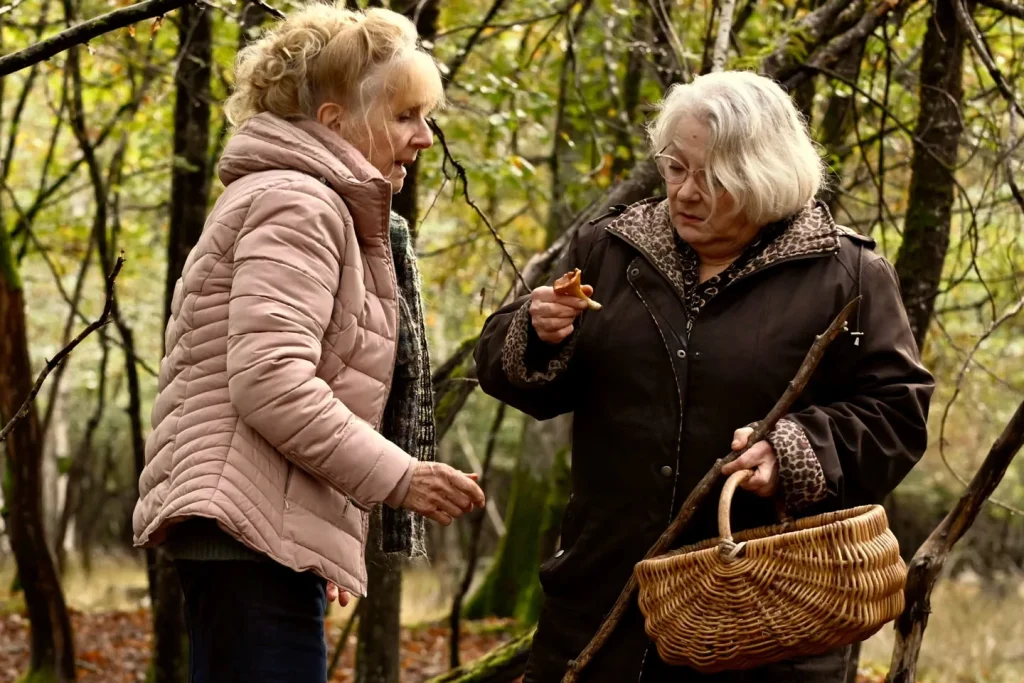
Set in the gentle, autumnal countryside of Burgundy, the story begins simply. Michelle (Hélène Vincent), a retired woman who tends her garden and keeps close bonds of friendship — notably with Marie‑Claude (Josiane Balasko) — welcomes her daughter Valérie (Ludivine Sagnier) and grandson Lucas for a short visit. A family lunch, featuring mushrooms Michelle has collected, leads to a tragic incident: Valérie is poisoned. Convinced her mother acted intentionally, she leaves with Lucas, cutting Michelle out of their lives.
Parallel to this rupture, Vincent (Pierre Lottin), Marie‑Claude’s son, is newly released from prison. Michelle shows him unexpected kindness, and the developing trust between them complicates the moral landscape. As further events occur, the narrative peels back layers of the characters’ pasts, revealing how fraught family ties can be.
Style and tone: quiet menace
Ozon doesn’t chase shocks; he composes atmosphere. The film moves deliberately, with an economy of gestures and an emphasis on silence, small habits and the things left unsaid. The Burgundian landscape — woods, muted colours, seasonal light — functions as more than backdrop: it mirrors memory and muteness, turning a peaceful environment into something uneasy. The director blends black comedy, drama and psychological suspense, letting irony and tenderness coexist with darker undercurrents. This tonal mix is a hallmark of Ozon’s cinema: humane, ironic, and never sentimental.
Performance and casting
The power of “Under the Leaves” lies in its cast. Hélène Vincent brings a lifetime of craft to Michelle, delivering a performance that resists easy categorisation — simultaneously fragile, sturdy and ambiguous. Josiane Balasko, well known for her comic and dramatic range, imbues Marie‑Claude with warmth and complexity. Ludivine Sagnier, who has worked with Ozon before, is compelling as the daughter: torn, suspicious and emotionally volatile. The three lead actresses create a layered portrait of women across generations, and their interplay is the film’s emotional engine.
Themes: guilt, empathy and moral nuance
What Ozon explores is not simply blame, but the shadowed interiority of family life: how guilt accumulates, how resentments ossify, and how acts can be misread. The film avoids neat moral assignments; instead, it asks the viewer to hold multiple perspectives and to accept ambiguity. A gesture that looks culpable might have an unintended cause; a merciful act can be misinterpreted. Ozon invites us to live with uncertainty — to recognise that human relationships are often composed of half‑truths and concealed kindness.
What to expect as a viewer
Why it matters now
In a moment when much cinema seeks to amplify or sensationalise trauma, Ozon’s approach is a reminder that complexity and restraint can be just as powerful. The film’s focus on memory, ageing, and the improvisations of social life resonates with contemporary concerns about family, isolation and responsibility. It also places women’s experiences at the centre, letting older and younger perspectives coexist without flattening them into tropes.
Practical viewing tips
For lovers of subtle cinema
If you enjoy films that reveal themselves layer by layer, where moral certainty dissolves under scrutiny, “Under the Leaves” is well worth your evening. It’s a film that lingers — not because of explosive plot turns, but because it quietly reframes how we see characters who seemed familiar at first. Ozon’s touch is empathetic and sharp, and the result is a thoughtful, unsettling portrait of human ties.