
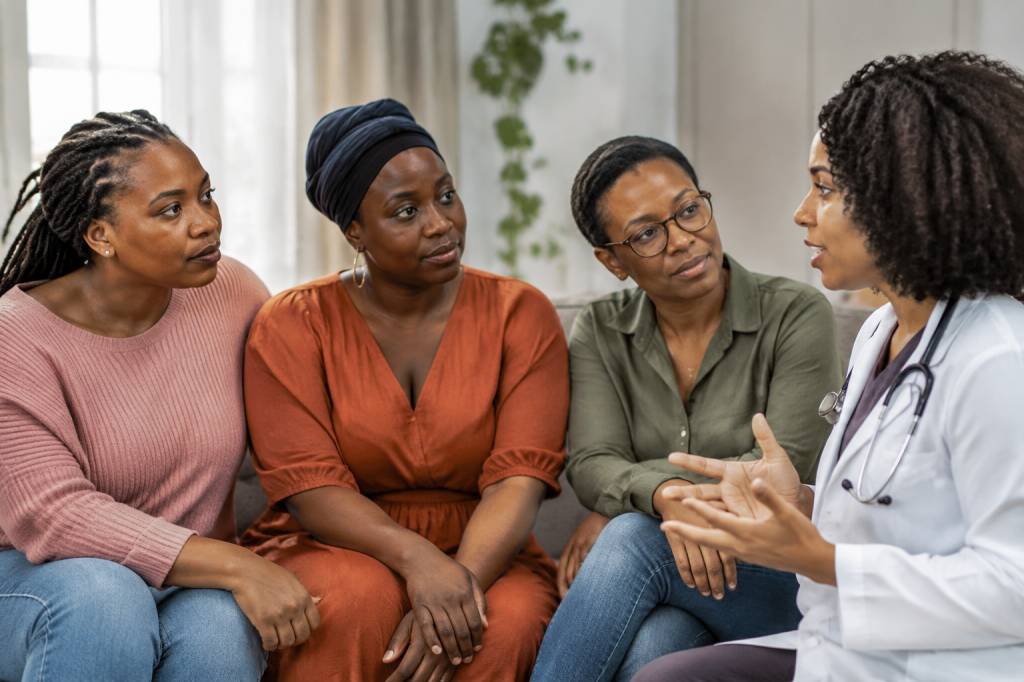
Many women live with heavy periods, pelvic pain or constant fatigue without realising that uterine fibroids could be part of the picture. These common growths are usually non-cancerous, yet they can affect daily life in ways that are anything but small. Fibroids Awareness Month is a timely reminder that talking about them can help people find information, feel less alone and seek care when they need it.
Whether you have experienced fibroids yourself, are supporting someone who has, or are simply curious, understanding the basics is a useful place to start. Here is why awareness matters—and practical ways to help spread it.
What are uterine fibroids?
Uterine fibroids, also called leiomyomas or myomas, are growths made from muscle and other tissue in or around the uterus. They are almost always non-cancerous. Fibroids can vary in size, from tiny growths that are difficult to detect to larger ones that may change the shape of the uterus. A person can have one fibroid or several.
Where a fibroid grows can matter as much as how large it is. Some develop within the wall of the uterus, while others grow into its inner cavity or on its outer surface. A small fibroid in a particular location may cause noticeable symptoms, whereas a larger one elsewhere may cause none at all.
Fibroids are common, especially during the reproductive years, but “common” does not mean that everyone experiences them in the same way. Some people have no symptoms and never need treatment. Others find that symptoms affect work, exercise, relationships, sleep or plans for pregnancy. Their experience deserves to be taken seriously.
Why Fibroids Awareness Month matters
Awareness helps turn vague worry into useful questions. Heavy bleeding, for example, is often dismissed as something people simply have to put up with. But periods that regularly interfere with everyday life are worth discussing with a healthcare professional. The same goes for persistent pelvic pressure or pain.
It can take time to recognise a pattern, especially when symptoms build gradually. Someone may start carrying spare clothes, avoiding long journeys or planning their day around access to a bathroom without ever mentioning why. These adjustments can become so familiar that it is easy to assume they are normal. Awareness offers a nudge to pause and ask: “Is this affecting me more than I realised?”
It also encourages earlier, more informed conversations. Knowing that fibroids are one possible cause of certain symptoms does not mean diagnosing yourself. It means having language to explain what you are experiencing and to ask what checks or options might be appropriate.
Finally, awareness matters because experiences of reproductive health are not always heard equally. Research and clinical experience show that fibroids are more common and can be more severe in Black women. Differences in access to care, diagnosis and treatment can add to the burden. Sharing reliable information helps challenge the idea that severe pain or bleeding is simply something to endure—and supports better conversations between patients and clinicians.
Symptoms to know about
Fibroids do not always cause symptoms. When they do, the type and intensity can vary. Possible signs include:
-
Periods that are unusually heavy, prolonged or painful.
-
Bleeding between periods.
-
A feeling of pressure, fullness or pain in the lower abdomen or pelvis.
-
Needing to urinate more often, or difficulty emptying the bladder.
-
Constipation or discomfort when having a bowel movement.
-
Lower back or leg pain.
-
Pain or discomfort during sex.
-
Tiredness or breathlessness that may be linked to iron-deficiency anaemia from heavy bleeding.
These symptoms can have many possible causes, and having one or more does not automatically mean you have fibroids. Equally, you do not need to wait until symptoms become unbearable before asking for help. If bleeding is very heavy, pain is disrupting your life, or you are worried about a change in your body, make an appointment with a healthcare professional.
It can help to keep a simple symptom diary before that conversation. Note when bleeding starts and ends, how often you change menstrual products, whether you pass clots, and how pain affects your plans. You might also record fatigue, bladder or bowel changes and any medication you have tried. A few weeks of notes can make it easier to describe what is happening—especially if nerves make it hard to remember everything in the moment.
How fibroids are diagnosed and treated
A clinician may ask about symptoms and medical history, and may examine the abdomen or pelvis. Imaging, such as an ultrasound, can help identify fibroids and show their size and location. Depending on the situation, further tests may be suggested. The right assessment varies from person to person, so it is reasonable to ask what a test is intended to find and what the results could mean.
Treatment is not one-size-fits-all. If fibroids are not causing problems, monitoring may be all that is needed. When symptoms do need attention, options can include medicines to manage pain or heavy bleeding, treatments that affect hormones, procedures that target fibroids, or surgery. The choice can depend on symptoms, fibroid details, general health and whether someone hopes to become pregnant in the future.
If you are offered options, ask about benefits, possible side effects, recovery time and how each choice might affect future fertility. You can also ask whether there are alternatives and whether you have time to think about the decision. A second opinion may be helpful if you remain unsure. Seeking care is not a promise to choose a particular treatment; it is a way to understand your choices.
Be cautious with online products or “natural cures” that promise to shrink fibroids or replace medical care. Some lifestyle choices may support general wellbeing, but no supplement or diet should be assumed to treat fibroids without good evidence. Check with a qualified healthcare professional before starting a supplement, particularly if you take medication or are trying to conceive.
How to raise awareness in everyday life
Awareness does not have to mean giving a speech or becoming an expert overnight. Small, thoughtful conversations can make a difference. Here are a few ways to get started:
-
Share trustworthy information. Pass along resources from recognised health services, hospitals or established women’s health organisations. Add a sentence about why the topic matters to you, rather than forwarding a dramatic headline without context.
-
Talk about periods without shame. A matter-of-fact conversation with a friend, sister, colleague or partner can help make it easier to mention symptoms and seek advice. No one needs to share personal details they would rather keep private.
-
Listen without minimising. If someone says their bleeding or pain is affecting their life, avoid telling them it is “just a bad period.” Try, “That sounds difficult. Have you been able to speak to someone about it?”
-
Use social media thoughtfully. Share a clear fact, a personal reflection or a link to a reliable source. If you use a campaign hashtag, check the current campaign’s official materials first; awareness dates and activities can vary between organisations and countries.
-
Support access to care. Encourage people to prepare questions for appointments, offer to help them find information, or accompany them if they ask. Practical support can matter just as much as a reassuring message.
-
Ask for better conversations at work. Flexible access to toilets, understanding around medical appointments and supportive sick-leave policies can make a real difference to people managing heavy bleeding or pain.
If you are posting about fibroids, remember that people’s circumstances differ. Not everyone wants to discuss fertility, surgery or intimate symptoms in public. Avoid assumptions about what treatment someone should choose, and do not pressure anyone to share their diagnosis. Awareness should create room for people’s voices, not demand that they tell their story.
What to say when someone shares their experience
Sometimes the most helpful response is simple: “I’m sorry you’re dealing with that. What would be useful right now?” It acknowledges the person without rushing to fix things. You could offer to help them write down questions for an appointment, look after children while they attend one, or check in after a procedure.
Try not to compare their experience with someone else’s. Fibroids can affect people differently, and one person’s mild symptoms do not make another person’s severe symptoms less valid. Avoid suggesting that stress, weight or a particular food is definitely the cause. Fibroids are influenced by complex factors, and blame rarely helps.
If a friend feels dismissed by a healthcare professional, you can encourage them to describe the impact of symptoms clearly and ask what follow-up is available. For example: “My bleeding is affecting my ability to work. What could be causing it, and what are the next steps?” They might also ask for written information or bring someone they trust to the appointment. The decision about what to do remains theirs.
Questions worth asking at an appointment
Appointments can feel rushed, particularly when a topic is personal. Writing questions down in advance can help you leave with a clearer understanding. Depending on your situation, you might ask:
-
Could fibroids explain these symptoms, or might something else be causing them?
-
What tests do you recommend, and what will each test tell us?
-
If fibroids are found, where are they and how large are they?
-
What are my options for managing the symptoms?
-
How might each option affect my plans for pregnancy, if that is relevant to me?
-
What symptoms should prompt me to seek urgent medical advice?
You are allowed to ask for explanations in plain language. If something is unclear, try: “Could you explain that another way?” Good healthcare conversations make space for questions, and you do not have to pretend you understand a term just to keep the appointment moving.
Awareness that leads to action
Fibroids Awareness Month is not about frightening people or suggesting that every heavy period signals a serious condition. It is about making reliable information easier to find, recognising that symptoms can deserve attention, and treating people’s experiences with respect.
Start with one small action: learn the signs, share a trustworthy resource, or check in with someone who has mentioned difficult periods. If fibroid symptoms may be affecting you, keep notes and speak with a healthcare professional. A conversation cannot answer every question at once, but it can be a meaningful first step—and no one should have to navigate it feeling alone.