
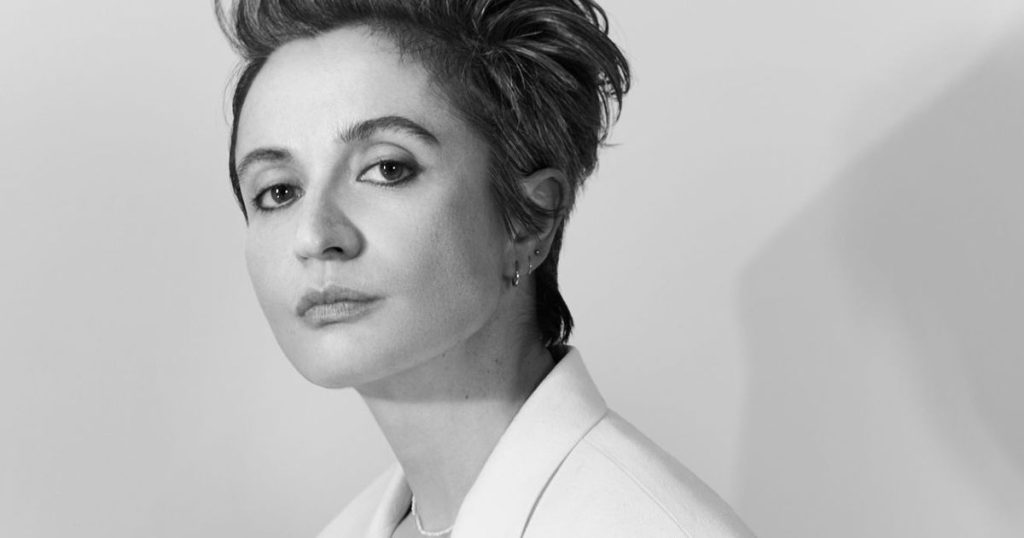
The fashion world is abuzz today: two major creative exits have just been confirmed, and the ripples will be felt across runways, retail floors and industry boardrooms. Veronica Leoni is leaving Calvin Klein Collection after just over two years at the helm, and Seán McGirr is stepping down from Alexander McQueen after a three‑year run. As readers and style lovers, we want to know what this means for the brands we follow, for the designers who shape modern taste — and for the wider conversation about how fashion groups manage creative direction.
Veronica Leoni: a short but influential chapter at Calvin Klein
Veronica Leoni was appointed to lead Calvin Klein Collection in May 2024, making history as the first woman to direct this premium line. Her brief tenure was ambitious: she relaunched the Collection line on the catwalk in February 2025 after a seven‑year absence, staging four major shows and pressing forward a vision of refined minimalism that nodded to early‑90s American simplicity while bringing a contemporary, disciplined elegance.
Early reactions to Leoni’s debut were mixed. Critics questioned whether her aesthetic — subtle, conceptual, at times austere — fit with Calvin Klein’s mass appeal and commercial DNA. But over successive seasons her collections gained traction. The elegant restraint, precise tailoring and intelligent use of fabric signalled a methodical recovery of the brand’s premium identity: not fast fashion, but thoughtful revival.
Why leave now? Reading between the press statements
Calvin Klein’s official announcement states simply that Leoni’s collaboration will end at the expiration of her current contract. That phrasing suggests an orderly parting rather than a public falling‑out. Possible explanations vary. Corporate strategy often demands new signals to shareholders or new leadership to steer the next phase of growth. Designers sometimes step away to pursue independent projects, collaborations or creative freedom. In Leoni’s case, the timing raises questions: should a house allow more time for a creative vision to fully mature, or is a quicker rotation preferable to maintain market momentum?
Seán McGirr exits McQueen: a return to the brand’s roots — then a departure
On the same day, Kering confirmed Seán McGirr’s exit from Alexander McQueen. McGirr, who took over in October 2023 following Sarah Burton, sought to reconnect the house with its British origins and sharpen its dramatic, expressive language. His spring‑summer 2027 collection was positioned as a nod to the brand’s lineage, yet the company now seeks fresh leadership to continue that journey.
Kering and McQueen’s public responses were gracious, praising McGirr’s contribution — a standard tone intended to reassure stakeholders and maintain brand value during creative transitions. But such departures invite reflection about creative cycles: are we in an era where brands pivot frequently to capture headlines, or are these thoughtful recalibrations aligned with evolving market needs?
The wider pattern: is the creative carousel healthy for fashion?
These two resignations join other recent high‑profile exits — Anthony Vaccarello’s departure from Saint Laurent being the latest example — and reveal an industry dynamic characterized by rapid leadership shifts. On one hand, rotation can infuse new energy, diversify creative approaches and keep global audiences engaged. On the other hand, repeatedly changing creative directors risks fragmenting a house’s identity and undermining long‑term projects that require time to bear fruit.
Designers need space to develop a coherent vision; fashion houses need narrative continuity to build brand loyalty. When companies replace creative directors prematurely, they risk erasing nascent legacies that might have matured into distinctive signatures. The dilemma is real: shareholders and retail calendars demand frequent novelty, while true artistic evolution requires patience.
What this means for shoppers and fashion lovers
Practical consequences are immediate and tangible. A new creative director will change silhouettes, colour stories and investment pieces. Seasonal collections may be reoriented; previously planned capsule collaborations could be shelved. For consumers, this can be confusing — and exciting. A house’s reinvention often creates a fresh buzz, new must‑have items and resale opportunities. For clients who cherish continuity, frequent changes can erode trusted design narratives.
What to watch next: the succession and its signals
For now, we watch and wait. These departures mark the end of chapters and the start of new possibilities. They remind us that behind every collection is a story of vision, negotiation and strategy — and that fashion, at its best, is always a balance between creative daring and enduring identity.