
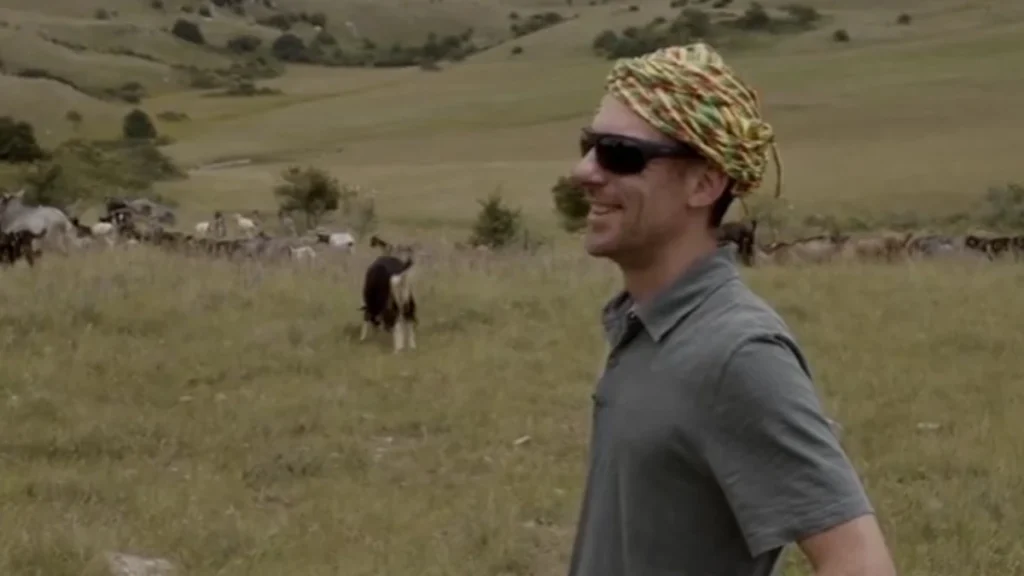
There’s something quietly radical about walking: the simple act of putting one foot in front of the other, slowing down, listening. In “Ritorno al tratturo,” director Francesco Cordio and acclaimed actor Elio Germano lead us on just such a journey across Molise — one of Italy’s smallest and least known regions — to trace the old shepherd paths, the tratturi, and to listen to the people who have chosen to stay. This documentary is not a postcard; it’s a patient, humane portrait of communities that resist depopulation by reclaiming meaning, skills and a different tempo of life. For anyone curious about sustainable living, rural revival or heartfelt storytelling, this film is a quiet revelation.
What is a tratturo and why does it matter?
The “tratturo” is a broad grass track traditionally used for transhumance — the seasonal movement of flocks between pastures. These routes have connected regions for centuries, shaping landscape, culture and local economies. In Cordio’s film, the tratturo becomes both literal path and metaphor: a route to rediscover roots, knowledge and relations that modern life often sidelines. Walking these tracks, Germano encounters people whose daily choices embody resilience and a refusal to accept an inevitable decline.
Elio Germano as companion, not guide
Elio Germano’s presence gives the documentary an intimate tone. He is not a distant narrator but a traveller among neighbours — an Italian actor with Molise family ties who approaches each encounter with curiosity and respect. Together with local companions such as Filippo Tantillo and Silvia Di Passio, Germano listens to shepherds, artisans and young locals trying to build alternatives at the margins of Europe. These conversations are the film’s heart: unsentimental, direct and often moving.
Portraits of people doing the work that matters
Why Molise? Why now?
Molise represents a broader European story: half of Italy’s municipalities are in internal, rural areas facing population decline. Yet they hold cultural and ecological resources that are vital to future resilience. “Ritorno al tratturo” arrives at a moment when governments and citizens are rethinking the value of local life — its sustainability, food sovereignty and social bonds. The documentary flips the usual urban gaze: instead of seeing marginality as a deficit, it shows potential and dignity in places that choose to stay and rebuild.
A return to slower rhythms
Referencing “Back to the Future” in its title, the film inverts the promise of forward progress: instead of chasing acceleration, it proposes a return to a slower, more rooted way of living. The slow walk through pasture and village becomes an ethical stance — a practice of attention and repair. It’s not a romanticized pastoral; Cordio shows the difficulties, from isolation to scarce services, but also the creative responses that people invent when they decide to remain.
Sound and music: setting the film’s mood
Music plays a distinct role. The song “Vento,” written by Luca Bussoletti and sung by Lavinia Mancusi, threads through the film. The wind is both sound and symbol — a force that moves people, carries stories and invites change. The soundtrack supports the film’s contemplative pace, offering moments of reflection between conversations and landscapes.
Practical notes for viewers
What the film invites us to consider
Beyond its immediate portrait of Molise, the documentary challenges broader assumptions: that progress equals urban growth, that value is measured by speed and scale, and that the future must always look like the present multiplied. By spending time with people who make a deliberate choice to stay, Cordio and Germano invite audiences to consider the gifts of slower rhythms: stronger social ties, knowledge continuity, and an ethic of place. For readers of Princess‑Daisy who care about mindful living and thoughtful fashion — the choices we make about where we live, how we eat, the artisans we support — this film is a reminder that modern life can include measured, meaningful roots.
“Ritorno al tratturo” isn’t yielding easy answers. It offers presence: attention to craft, to landscape, and to human stories that persist. It’s a film that encourages us to listen, and perhaps to take a few steps of our own on a path that leads not away from the past, but into a future built on care.