
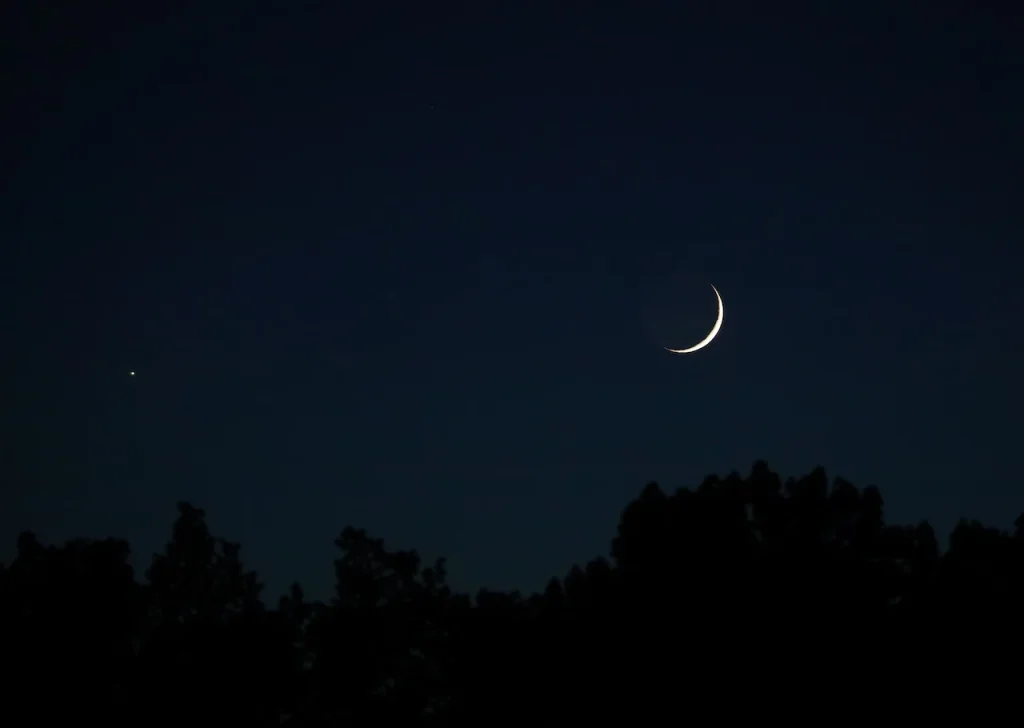
Why the New Moon on 14 July Is Your Best Chance This Summer to See the Milky Way
This July, there’s a celestial treat for anyone who loves looking up: the New Moon on 14 July will make the night unusually dark, creating ideal conditions to spot the Milky Way and other summer sky treasures. You don’t need to be an astronomer or own fancy gear — with a little planning and the right location, this is a night that even casual stargazers can enjoy. Here’s how to make the most of it.
What actually happens during a New Moon?
When the Moon is new, it sits between the Earth and the Sun. That means the side of the Moon illuminated by the Sun faces away from us, so the Moon is effectively invisible in the night sky. With no lunar glow to wash out faint stars, the sky becomes significantly darker. That darkness is the secret to spotting features like the soft, milky band of our galaxy that are usually hidden by stray light.
Why 14 July is special
July is already a great month for summer constellations and for viewing the central plane of the Milky Way. The New Moon makes an excellent night even better: the combination of prominent summer constellations and near‑total absence of moonlight boosts contrast, allowing fainter stars and the dust lanes of our galaxy to pop into view. Add clear weather and low light pollution, and you’ve got stellar conditions.
What you can see with the naked eye
No telescope? No problem. On a truly dark night you can see a surprising amount:
Why bring binoculars (they’re a game‑changer)
A simple pair of binoculars (7×50 or 8×42) will enhance your view dramatically. You’ll pick out star clusters, the texture of the Milky Way, and many more faint stars than with the naked eye. They’re also lightweight and easy to use, making them ideal if you’re bringing children or older relatives along.
Best locations and practical tips
To enjoy the spectacle, choose your spot carefully:
What apps and simple tools can help
There are great stargazing apps that overlay constellations and labels on the real sky (use night mode/red mode). A small star chart or a printed map can also guide you — sometimes analogue is the simplest pleasure. If you have a modest telescope, point it at bright summer objects or show guests the tight star clusters and nebulae that binoculars hint at.
Plan a mindful moment
Watching the Milky Way is not just about astronomy — it’s an invitation to pause. The dark sky is calming and can feel restorative after a busy day. Consider making the evening a small ritual: prepare a playlist, bring light snacks, and share the experience with friends or family. It’s an accessible, low‑cost way to reconnect with nature.
Family‑friendly stargazing ideas
Be mindful of light pollution
Many of us live in towns, but even small changes can improve the view for your whole neighbourhood: use shielded outdoor lights if you can, or point lamps downward. If you’re travelling to a darker spot, respect local rules and avoid driving on fragile tracks or private land at night.
When to go next
If your schedule doesn’t allow a trip on the 14 July night, keep an eye out for other moonless nights around new Moon dates and seek local star‑party events — amateur astronomy clubs often host public viewings that provide access to larger telescopes and expert guidance.
Quick checklist for your New Moon outing
This New Moon is an invitation: in a few simple steps you can swap screen‑glow for starlight and discover just how dazzling our summer sky can be. Whether it’s a solo moment of wonder or a cosy, family‑friendly outing, the Milky Way awaits — clearer and more magical than most nights of the year.