
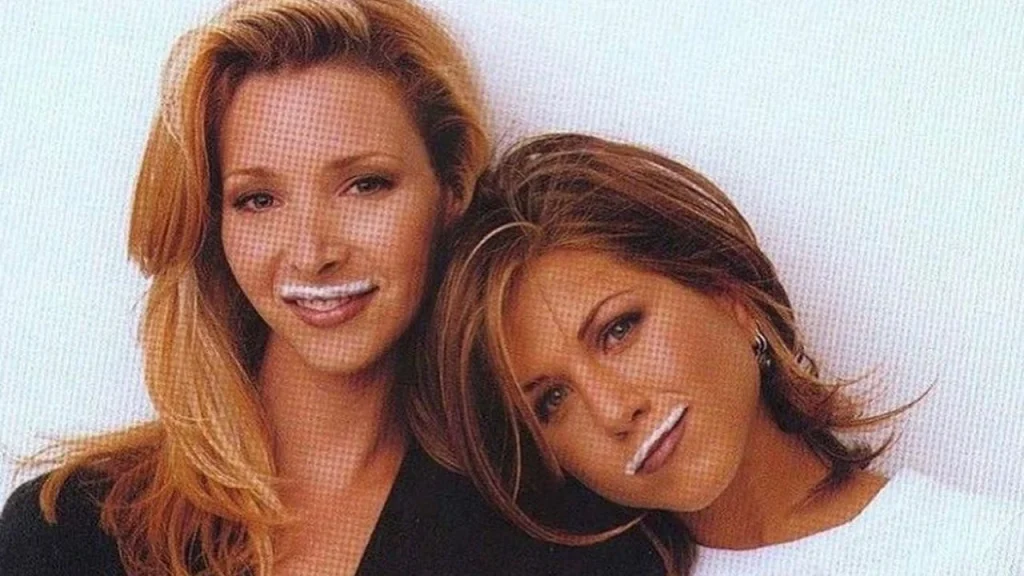
Why facial and body hair bleaching is the gentler beauty trend you should know about
For years, hair removal felt like the only socially accepted option for unwanted body hair. But a softer, less invasive trend is on the rise: bleaching—or lightening—the hair so it becomes less visible rather than removing it. Popular for delicate areas like the upper lip and sideburns, and increasingly embraced on arms, legs and underarms, bleaching offers a pain‑free alternative that suits sensitive skin and modern attitudes toward body hair.
What exactly is hair bleaching?
Bleaching is a cosmetic treatment that lightens the pigment of the hair through oxidising agents. Unlike waxing or shaving, bleaching does not remove or cut the hair; it simply alters the colour, making the hairs blend more naturally with the skin tone. The result is a softer, subtler appearance: fine hairs become almost imperceptible, especially on those with lighter or medium skin tones.
How the process works
Typical bleaching kits contain a powder bleach and an activator cream. When mixed, they produce a mild oxidising solution which is applied to the target area for a short period. The timing varies depending on the original hair colour and skin sensitivity. After the treatment, the area is thoroughly rinsed and a soothing, hydrating product should be applied to restore comfort and protect the skin barrier.
Best results and ideal candidates
Bleaching performs best on fine, light to medium‑toned hair. If your hairs are thin and sparse, the technique can dramatically reduce their visibility without altering skin texture or causing ingrown hairs. However, it is less effective on coarse, dense, or very dark hair; such hairs may still be noticeable despite bleaching.
Why it’s making a comeback
Several cultural and practical factors explain the renewed interest in bleaching:
Common areas treated
Bleaching is popular for:
At‑home vs professional treatments
You can bleach at home with many accessible kits, but there are reasons to consider a professional treatment:
How to bleach safely at home
When not to bleach
Bleaching is not recommended if you have very dark and coarse hair and expect total invisibility; if you have active dermatitis or broken skin in the area; or if you’ve recently had cosmetic procedures that increase skin sensitivity. Pregnant people should consult a clinician if uncertain, though most topical bleaches used briefly are considered low‑risk.
Maintenance and frequency
Bleaching does not change the hair structure, so maintenance depends on how fast your hair grows and how visible the regrowth becomes. Typically, treatments are repeated every 3–6 weeks. Because the hair is not removed, you won’t experience stubble, but you may wish to refresh the tone as needed.
Products and ingredients to look for
Why beauty pros recommend bleaching
Estheticians highlight bleaching as an excellent compromise: it keeps the natural hair—important for many people—while dramatically reducing visibility and avoiding the trauma of hair removal. It’s particularly recommended for those who experience ingrown hairs, razor burn or persistent irritation with conventional hair removal methods.
Styling and confidence
Ultimately, the choice to bleach rather than remove hair is personal and empowering. Whether you opt for barely‑there facial fuzz or prefer a softer underarm look, bleaching offers a discreet, comfortable option. It reflects a broader conversation in beauty—one that values choice, gentleness and authenticity.