
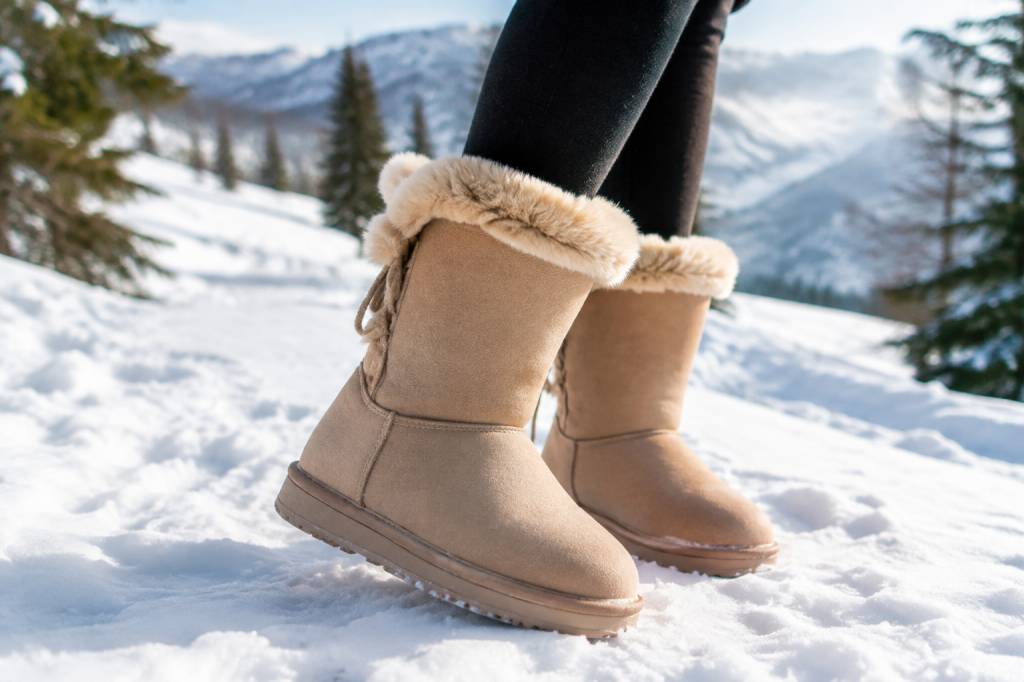
Winter dressing is a little easier when your feet are warm, dry and comfortable. But practical footwear does not have to mean sacrificing style. The best designer snow boots for women combine weather-ready details with thoughtful design, so you can walk through frosty mornings, snowy weekends and chilly city streets without feeling as if your outfit has been put on hold until spring.
Whether you are planning a mountain escape or simply want a reliable pair for cold-weather errands, it helps to know what makes a snow boot worth wearing. A beautiful finish may catch your eye, but warmth, grip and fit are what make you reach for the boots again and again. Here is how to find a pair that brings both fashion and function to your winter wardrobe.
What makes a snow boot different?
Snow boots are designed to handle conditions that ordinary winter boots may not be made for. They often have insulating linings, water-resistant or waterproof uppers, and outsoles designed to provide traction on slippery ground. The exact level of protection varies, so it is worth checking the product details rather than assuming every boot labelled “snow” is suitable for deep snow or heavy rain.
Designer styles bring these practical features together with considered proportions, materials and finishing touches. That might mean a streamlined silhouette, a polished leather look, a cosy shearling-style cuff or a bold quilted upper. The result can feel more versatile than a bulky boot you only wear on the coldest days.
Think about your usual winter routine. A boot for short walks between the car and the shops has different demands from one you will wear for hours on snowy paths. The right choice is the one that suits your real life—not just the prettiest photograph on a product page.
Start with warmth and weather protection
Warmth depends on more than how thick a boot looks. Insulation, lining, construction and fit all play a part. A soft lining can feel lovely against your feet, while a well-made upper helps keep cold air and moisture out. If you expect wet snow or slushy pavements, look for clear information about waterproofing, sealed seams and care requirements.
Water-resistant and waterproof are not always interchangeable terms. Water-resistant materials may cope with light moisture, but they may not keep your feet dry in prolonged wet conditions. Waterproof designs are intended to offer stronger protection, although performance depends on how the boot is made and maintained. If you are unsure, check the brand’s guidance before buying.
Also consider what you will wear underneath. Thick socks can add warmth, but they need room inside the boot. A fit that is too tight can feel uncomfortable and leave little space for socks; one that is too loose may allow your heel to slip. Try boots on with the socks you expect to wear and walk around for a few minutes before deciding.
Look for grip you can trust
Icy pavements can turn an ordinary walk into a careful shuffle. An outsole with a strong tread can help provide traction, especially on packed snow and wet ground. Look at the depth and pattern of the sole, and check whether the product description mentions grip or slip-resistant features.
No footwear can make every icy surface completely safe, so keep your steps short and steady when conditions are slippery. A stylish boot is a lovely winter companion, but it is not a substitute for taking care. If you regularly walk in very icy areas, prioritise a practical sole over a smooth, fashion-first one.
The sole also affects how a boot feels over a long day. A supportive footbed and a little flexibility can make walking more comfortable. If you plan to wear your boots for sightseeing or winter markets, try them on indoors and check that they feel secure without rubbing around the heel or toes.
Choose a style that works with your wardrobe
Designer snow boots come in plenty of shapes, from sleek ankle-height pairs to taller styles with extra coverage. The best height depends on your plans and personal taste. Ankle boots can be easy to wear with jeans and everyday outfits, while a taller shaft may feel reassuring when snow is deeper or trousers need extra protection.
For a versatile option, consider a neutral shade such as black, brown, cream or grey. These colours tend to work with winter coats and knitwear you already own. If your cold-weather wardrobe is mostly understated, a metallic finish, rich burgundy or patterned detail can make your boots the focal point of an outfit.
Try thinking about the clothes you will wear most often. A sleek boot may pair neatly with slim trousers or leggings, while a more substantial shape can balance a long coat or chunky knit. If you wear wide-leg trousers, check the shaft and overall volume: you want the outfit to look intentional, not as though the boots and hems are competing for space.
Details that make a difference
Small design features can have a big effect on comfort. A side zip may make boots easier to put on, while laces can help you adjust the fit around the ankle. A padded collar can reduce rubbing, and a gusseted tongue may help limit the entry of snow and water. Check that fastenings feel secure and are easy to use with cold hands or gloves.
Weight matters, too. A sturdy-looking boot does not have to feel heavy. If you can, try a pair on and walk around; if you are shopping online, look for weight information and read reviews that mention comfort during extended wear. A boot that feels fine for a quick try-on may feel very different after a full afternoon outdoors.
Finally, think about care. Some materials need specialist cleaning or regular protective treatment, while others are simpler to wipe down. If you know you are not likely to spend time maintaining delicate finishes, choose a design that suits the way you actually live.
How to find the right fit
Boot sizing can vary between brands and styles, so your usual size is a useful starting point, not a guarantee. Check the size guide and any fit notes. If reviews mention that a style runs narrow or large, factor that in, especially if you have wide feet or plan to wear thick socks.
When trying on snow boots, check for a little room around the toes without letting your foot slide forward. Your heel should feel held in place, and the boot should not pinch across the widest part of your foot. Walk up and down a short hallway if possible. A few careful steps can reveal rubbing or awkward movement that you might not notice while standing still.
If you use orthotic insoles, see whether the footbed can be removed. This can make it easier to get a more comfortable fit. For online purchases, check the returns policy before ordering, particularly if you are between sizes or buying a style you have not tried before.
Styling designer snow boots for everyday wear
Snow boots can work with more than ski trousers. For a relaxed weekend look, pair them with straight-leg jeans, a cosy sweater and a long padded coat. Tuck slim trousers into taller boots, or let wider hems sit just above an ankle style. A coordinated scarf or hat can bring the whole outfit together without making it feel overly styled.
For a winter city outfit, try a streamlined boot with dark denim, a wool coat and a crossbody bag. A more playful pair can look lovely with leggings and an oversized knit. If you are wearing a skirt or dress, warm tights and a longer coat can make the look feel both practical and comfortable.
Keep the weather in mind when choosing what to wear. Suede and delicate fabrics may need extra protection in slush, while smooth, easy-care materials can be a sensible choice for rainy commutes. A quick check of the forecast can save a favourite outfit from an unexpected puddle.
Shopping smart: what to check before you buy
Designer footwear can be an investment, so give yourself a moment to look beyond the label. Compare features, materials and care instructions, and ask whether the boots suit the conditions you expect to encounter. A beautiful pair that is uncomfortable or unsuitable for wet weather may spend more time in the wardrobe than on your feet.
- Check whether the upper is water-resistant or waterproof and read the care guidance.
- Look for a tread pattern suited to the surfaces you walk on most often.
- Read fit notes and reviews, especially comments about width, comfort and sizing.
- Consider the boot’s weight, fastening and ease of putting it on and taking it off.
- Make sure the colour and silhouette work with coats, trousers and knitwear you already own.
- Review the returns policy in case the fit is not right.
Reviews can be helpful, but look for patterns rather than relying on one very enthusiastic or disappointed comment. Several people mentioning a narrow toe box, for example, may be useful if you have wider feet. Similarly, repeated praise for warmth or comfortable walking can help you decide whether a pair fits your needs.
Make your boots last through winter
A little care helps keep winter footwear looking its best. Follow the manufacturer’s cleaning instructions, as different materials need different treatment. After wearing your boots in wet or snowy weather, remove surface dirt and let them dry naturally. Avoid placing them directly beside a radiator or other strong heat source, which may damage some materials.
If the brand recommends a protective spray, check that it is suitable for the boot’s material and test it as directed. Store boots somewhere dry between wears, and allow them time to air out. These simple habits can help preserve their appearance and keep them ready for the next cold snap.
The ideal designer snow boots are not simply the warmest or most fashionable pair on the shelf. They are the pair that keeps your feet comfortable, gives you confidence on winter streets and fits naturally into your wardrobe. Take a little time to check the details, find the right fit and choose a style you genuinely love. Then even a frosty morning has one less reason to keep you indoors.