
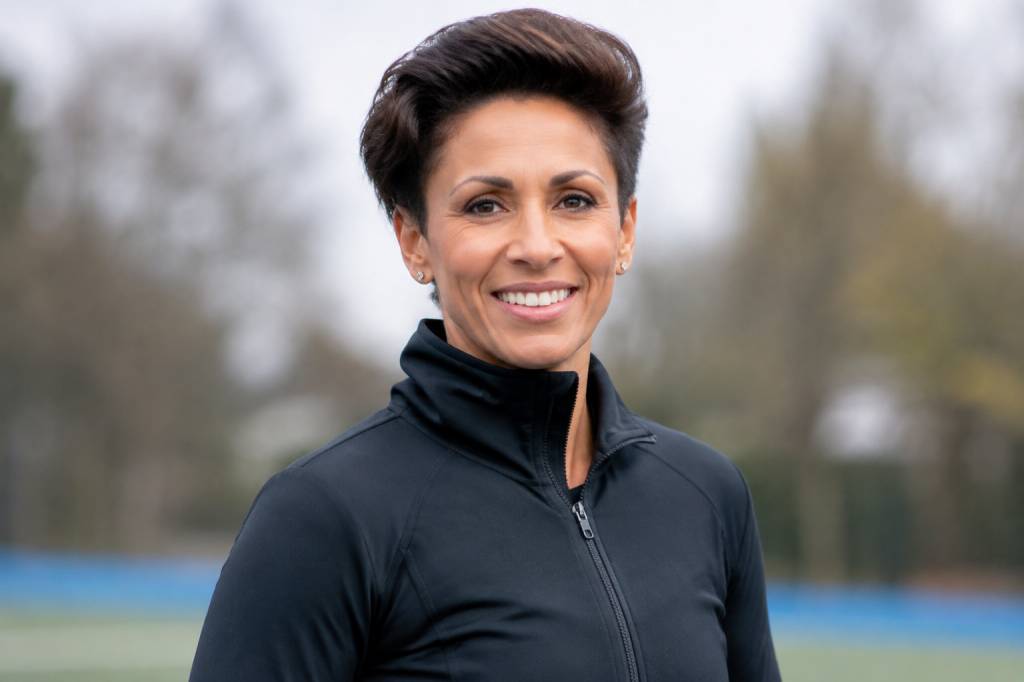
When people search for “Dame Kelly Holmes illness”, they may expect a single diagnosis or a recent health scare. The public picture is more nuanced. The Olympic champion has spoken openly about aspects of her mental health and, in later interviews, about receiving an ADHD diagnosis as an adult. That does not mean every rumour about her health is true, or that the public is entitled to details she has chosen to keep private.
Here is what has been reported publicly, what Holmes herself has discussed, and why it is worth treating health stories about public figures with care.
Is Dame Kelly Holmes seriously ill?
There is no reliable public information establishing that Dame Kelly Holmes is currently living with a serious physical illness. Searches about her health can bring together old interviews, sporting injuries, mental health disclosures and speculation, which may make the picture seem more alarming than the facts support.
Holmes has been candid about difficult experiences, particularly her mental health. She has also spoken about ADHD following an adult diagnosis. Those disclosures are important, but they should not be mistaken for evidence of an undisclosed illness or a current medical crisis.
Health information can change, and only Holmes or an authorised representative can confirm her present medical circumstances. Unless she has shared a specific update herself, it is best not to treat a headline, a social media post or an unsourced claim as confirmation.
What has she said about her mental health?
In 2022, Holmes spoke publicly about struggling with her mental health and described a period of deep distress in her life. She discussed having experienced depression and self-harm in the past. Her decision to talk about these experiences helped bring attention to how private pain can remain hidden, even when someone is known for strength and achievement.
It is important to describe this carefully: Holmes has spoken about past experiences, not given permission for strangers to diagnose her from a distance. Nor does one person’s account represent everyone’s experience of depression or self-harm. Mental health difficulties can look different from person to person, and a public interview cannot tell us everything about someone’s health now.
Her openness also challenged a familiar assumption: that an accomplished, disciplined person must be coping perfectly. Holmes built a career around training, competition and remarkable resilience. But success does not make anyone immune to distress. Being able to perform at an extraordinary level in one part of life does not mean that every other part feels easy.
What is publicly known about her ADHD diagnosis?
Holmes has also spoken publicly about being diagnosed with ADHD as an adult. Reports of her comments described the diagnosis as something that helped her make sense of aspects of her experiences. An adult diagnosis can give someone a new framework for understanding patterns that may have been present for years, although it does not tell the whole story of a person’s life.
ADHD is a neurodevelopmental condition. It can affect attention, organisation, impulse control and activity levels, but people experience it in different ways. A diagnosis is made by a qualified professional after an assessment; it cannot be confirmed by noticing a few traits in an interview or on television. Holmes’s experience belongs to her, and readers should avoid assuming that it applies to every person with ADHD.
For anyone wondering about their own concentration, restlessness or organisation, a celebrity story can prompt useful questions, but it cannot provide a diagnosis. If these concerns are persistent and affecting daily life, speaking with a GP or another qualified health professional is a more reliable next step than comparing yourself with someone else’s account.
What about injuries from her athletics career?
Holmes’s sporting history naturally involved the physical demands of elite athletics. Years of sprinting, middle-distance racing and intensive training place considerable strain on the body. Like many athletes, she experienced setbacks and injuries during her career. Those events belong to the context of competitive sport; they do not, by themselves, show that she has a chronic illness today.
It is also easy to confuse a past injury with a current health condition when old articles circulate online. A report about pain, rehabilitation or time away from competition may be accurate for the period it describes, yet say nothing about a person’s health years later. Check when a story was published and whether it refers to a confirmed update or simply revisits an old episode.
Holmes’s career is a reminder that sporting achievement is not a guarantee of perfect health. Elite athletes are people, not machines in tracksuits. Training can build fitness and resilience, but it can also involve physical strain, recovery periods and setbacks. The details of any individual’s medical history, however, are theirs to share.
Why do searches about a celebrity’s illness spread?
Health-related searches often begin with a simple question: has something happened? A headline may then use words such as “illness” or “health battle” even when the story is about a past disclosure, an injury or a discussion of mental wellbeing. The wording can sound urgent while the article itself offers little evidence of a new diagnosis.
Social media can add another layer of confusion. A photograph showing someone looking tired, a cancelled appearance or a short break from work may prompt speculation. None of those things confirms a medical condition. People cancel plans for many reasons, and a photograph cannot reveal what is happening in someone’s body or mind.
A useful way to assess a health claim is to ask:
-
Did Holmes make the statement herself, or is the information attributed to a reliable interview?
-
Does the report give a date and explain whether it concerns the past or the present?
-
Is there a clear source, rather than an unnamed claim repeated across websites?
-
Does the headline make a stronger claim than the article supports?
These small checks help separate a genuine public disclosure from guesswork. They also protect readers from clickbait that turns a personal health story into a dramatic mystery.
What her openness can mean to readers
When a well-known person talks about depression, self-harm or an ADHD diagnosis, it can help others feel less alone. Someone who has been quietly struggling may recognise a part of their own experience and feel more able to ask for help. That is a valuable outcome, as long as the conversation remains respectful and does not turn into amateur diagnosis.
Holmes is widely associated with determination. She won two gold medals at the 2004 Olympic Games in Athens, taking the 800 metres and 1,500 metres titles. Those achievements are extraordinary, but they should not be used to suggest that she must always feel strong or that recovery is simply a matter of willpower. Mental health is not a test of character, and asking for support is not a failure.
Her story can also encourage a kinder way of talking about health. Instead of asking whether someone is “really ill” because they appear successful, we can accept that outward achievement and private difficulty may exist side by side. And instead of demanding more details, we can respect what a person has chosen to share.
How to find trustworthy health information
If a story about Holmes has raised questions about depression, self-harm or ADHD, use it as a starting point rather than as medical advice. Look for information from established health services and speak to a qualified professional about symptoms or concerns that affect you. A celebrity interview may provide perspective, but it cannot replace individual care.
If you or someone close to you is in immediate danger, contact emergency services. If you are experiencing thoughts of self-harm, reach out to a health professional or a trusted person as soon as you can. In the United Kingdom, Samaritans can be contacted free on 116 123, day or night. You do not need to wait until things feel unbearable before asking for support.
For ADHD concerns, a GP can discuss symptoms and possible assessment routes. Keep notes about the difficulties you experience, when they happen and how they affect everyday life. This can help make a conversation with a professional more useful. An online checklist may help you organise questions, but it cannot confirm a diagnosis.
The clearest answer to the question
What is publicly known about Dame Kelly Holmes’s health is that she has spoken about past mental health struggles, including depression and self-harm, and has discussed receiving an ADHD diagnosis as an adult. She has also had the physical demands and setbacks associated with a career in elite athletics. These are public aspects of her story, not proof that she is currently suffering from a serious illness.
For any newer claim, look for a direct statement from Holmes or a reputable report that clearly identifies its source and date. Until then, the most accurate response is also the most respectful: do not assume more than she has chosen to share.