
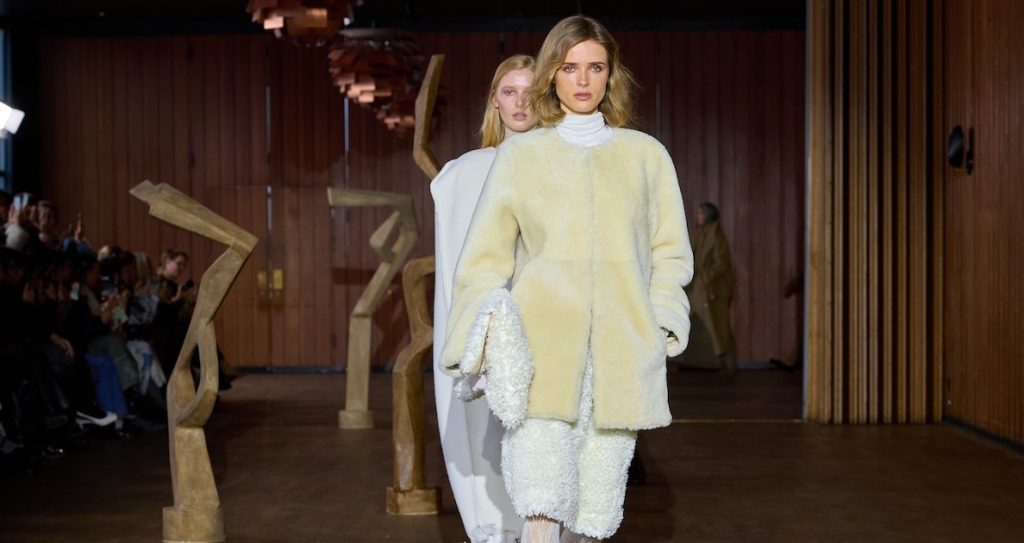
Why Copenhagen Fashion Week’s 20th Birthday Matters — and How It’s Quietly Shaking Up Global Fashion
Two decades after its modest beginnings, Copenhagen Fashion Week is celebrating its 20th edition — and it has done so by quietly building influence, credibility and a distinct creative identity that rivals the big four fashion capitals. For readers of Princess‑Daisy who love style with substance, understanding how this midsize Nordic event became a global force offers fresh lessons about sustainability, inclusivity, and the kind of wardrobe investments worth making.
From local gatherings to an international platform
In the early years, shows in Copenhagen were intimate, often held in the same municipal venues, with audiences made up mostly of the local community: designers’ friends, family and small teams who sewed, set up and cheered. There were no influencer entourages, few casting directors and very limited international press. That artisan, grassroots spirit has remained a core asset even as the event has professionalised and expanded its reach.
The “Scandi” aesthetic that sells worldwide
Copenhagen’s signature aesthetic — minimal, functional, quietly luxurious — translates particularly well in today’s climate. Consumers increasingly seek quality over flash, garments that feel considered and versatile rather than momentary. The “Scandi” approach is less about trendy novelty and more about longevity, comfort and intelligent tailoring. This has made CPHFW collections appealing to international buyers, editors and style‑conscious shoppers.
Sustainability as a genuine pillar — not a buzzword
Where Copenhagen stands out is in the authenticity of its sustainability story. Unlike fashion weeks that simply pay lip service to eco‑claims, many brands showing in Copenhagen actually embed circular practices into their design process: reduced waste, local sourcing, transparent supply chains and durable materials. This is attractive to today’s shoppers, who demand evidence of environmental responsibility rather than marketing statements.
Inclusivity and real‑world representation
CPHFW has also been progressive about the kinds of bodies, ages and identities represented on the runway and in campaigns. The event’s curators have emphasised diversity beyond token gestures, encouraging casting and storytelling that better mirrors real life. That pushes other fashion weeks to rethink casting and marketing — and it gives consumers more choices that feel relevant and inclusive.
An entrepreneurial ecosystem that nurtures talent
Instead of relying solely on big sponsors and spectacle, Copenhagen has built an ecosystem that supports emerging designers through mentoring, shared showrooms and curated platforms for buyers and press. This environment helps smaller labels scale thoughtfully without losing their identity — and it keeps innovation flowing.
Lessons for the smart shopper
For readers who want to shop more consciously, Copenhagen’s approach suggests a few practical rules:
Street style you can actually wear
One of the strengths of CPHFW is how its street style translates directly into wearable inspiration. The looks you see around the city — elegant knit layering, structured outerwear, and purposeful accessories — are not runway fantasies but recipes for daily chic. You can adapt them easily: swap high‑fashion labels for accessible alternatives and focus on fit and proportion to get the “Scandi” vibe.
What’s next for Copenhagen — and for you
As Copenhagen marks its 20th year, the challenge will be to grow without losing the intimate qualities that made it special: community, craft and a clear ethical stance. If it succeeds, the city will continue to influence how the rest of the industry thinks about sustainable design and meaningful presentation. For the reader, this means more access to thoughtfully made pieces and fresh, calm‑lined inspiration that lasts beyond the season.
In short, Copenhagen Fashion Week’s story is a reminder that influence is about credibility more than size — and that your personal style can benefit from adopting a few principles that go far beyond trends: choose pieces with purpose, buy less but better, and celebrate style that fits real life.