
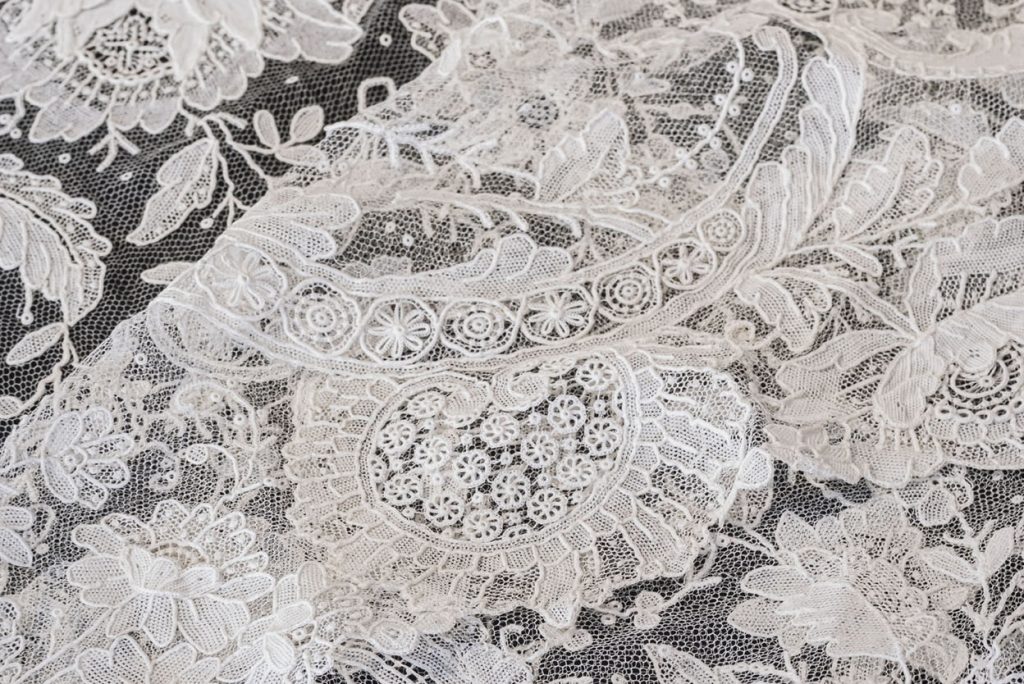
On the little island of Burano, a centuries‑old craft is being lovingly rewired for the 21st century. Lacemaking — once the province of grand ateliers and royal commissions — is not only surviving but renewing itself through a new professional course designed to attract young makers. For those of us who care about craftsmanship, heritage and the future of female‑led creative industries, the story unfolding in Burano is both hopeful and instructive.
Why Burano lace matters
Lace from Burano is not mere trim: it carries a lineage. As the Venetian museums remind us, lacemaking flourished during the Renaissance and enjoyed peaks of fame in the following centuries — to the point that Venetian lacemakers were summoned by the Sun King to teach their craft in France. These are techniques that demanded patience, eyesight, and a highly trained hand. The cultural value of those tiny stitches has always been enormous; the challenge has been aligning that value with modern economic realities.
A living craft, an ageing workforce
For decades the craft has been kept alive by a dwindling number of master lacemakers — women whose skills became household treasures. Emma Vidal, who passed away aged 103 in 2019, personified the dedication required: “Lace demands patience, silence, dedication,” she once said. Yet the average age of active lacemakers has been rising, and without intervention, such skills were in real danger of disappearing.
The new course: lacemakers 3.0
That risk prompted action. Recently, a professionalising course was launched in Burano, funded after the Fondazione Musei Civici joined a public tender. The six‑month theoretical and practical programme recruits young women — ten in the first cohort — who follow hands‑on training before moving on to an internship. The curriculum is not limited to pattern and technique. Students learn conservation and restoration, museology, and even the sociology of luxury goods — all intended to prepare them not just to make lace, but to position it in today’s cultural and commercial landscape.
From tradition to new markets
Lace cannot be mass‑produced without losing its character. Machines can mimic the appearance, but not the subtle irregularities and moral value of handwork. The course therefore emphasises the artisan’s role as both maker and cultural ambassador. Graduates will be equipped to collaborate with museums, design houses and fashion brands, and to communicate why hand‑made lace commands a higher price and a different kind of consumer relationship.
Young talent: a new generation stepping up
Among the young students is Melissa D’Este, just 14, who already won an award at the “A Lace for Venice” competition in 2024. Her presence signals two important things: first, that young people are interested in artisan skills when those careers are properly presented; and second, that recognition and prizes can spark the pride and visibility that keep a craft appealing. The course’s recruitment of school leavers and young unemployed women is a deliberate move to anchor the skill in livelihoods, not nostalgia.
Why this matters for women and communities
Handicraft is historically a domain where women have created value and social ties. In Burano, the lace school revives that social economy: trainees work, learn and build networks within a community that respects their contribution. Training also opens pathways beyond making — into restoration, curation and cultural entrepreneurship — expanding the kinds of professional futures available to young women on the island and beyond.
Conserving heritage and creating resilience
Teaching conservation and restoration is a strategic move. If lace is framed as museum‑worthy, it gains cultural cachet that strengthens market value. Museums, festival organisers and luxury labels can commission pieces, curate exhibitions and, crucially, help sustain higher price points for true handcraft. In other words: conservation is not an academic sideline — it is an economic lifeline.
Challenges and opportunities
The path ahead is not without hurdles. Artisanship demands long hours and sustained concentration; markets are fast, and consumers are trained to expect low prices. The course addresses this by combining technique with business literacy and public‑facing skills. Graduates will therefore be more than makers; they will be advocates and entrepreneurs who can negotiate with buyers, collaborate with designers, and present their craft in ways that resonate with contemporary values (sustainability, slow fashion, cultural authenticity).
What we can all learn from Burano
Burano’s initiative offers a template for preserving intangible heritage in a modern economy. It shows that with public support, strong curatorial backing and targeted training, a traditional skill can be reinterpreted rather than fossilised. This is not about clinging to the past; it is about making the past relevant for present and future markets, and creating real job prospects for those who choose this path.
How to support living crafts
Burano is proving that tradition and innovation are not opposites. By investing in young makers, providing a rigorous curriculum and connecting lace to museums and markets, the island is giving a fragile craft a modern life — and offering a lesson in how heritage can power economic and cultural renewal.