
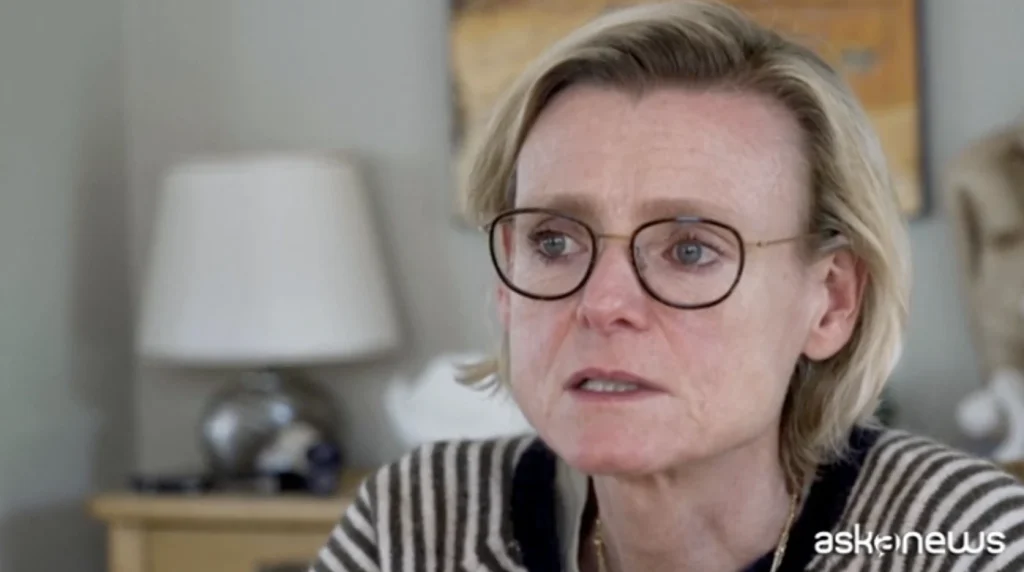
Belgium’s First Lady Veerle Hegge breaks her silence on anorexia — a candid account that could save lives
Veerle Hegge, wife of Belgian Prime Minister Bart De Wever, has chosen to speak openly about a struggle that far too many endure in silence. In her new book, The Weight of Silence, and in a frank interview with the press, she recounts the harrowing months that led to hospitalisation and a long recovery. For a public figure to share such intimate suffering is both brave and necessary — her testimony exposes how eating disorders develop, how they affect families, and why speaking up can change everything.
From compliments to crisis: how anorexia crept in
Hegge describes a painfully familiar arc: early compliments about a slim figure, followed by gradual weight loss that others initially misread as healthy, then a deepening disorder that became progressively harder to escape. She recounts an episode at work where she literally collapsed — a blackout that left her physically incapacitated and terrified. That collapse precipitated a hospital stay and continuous monitoring, including ECGs. At one point medical staff warned that her heart might stop — a moment she describes as life‑altering, a brutal clarity.
Her story dismantles common myths. Anorexia is not a lifestyle choice or vanity run amok; it is a severe mental and physical illness that can become life‑threatening. Hegge’s account underlines how incremental the slide can be: believing you can “fix” it alone, underestimating the danger, and accepting, at first, praise for a changing appearance.
Why she wrote the book: turning silence into solidarity
Hegge says she wrote The Weight of Silence to break the taboo that still surrounds mental illness and eating disorders. She draws a historical parallel: decades ago illnesses like AIDS and cancer were surrounded by stigma and misunderstanding until public figures and advocacy helped normalise discussion and access to care. For Hegge, making her experience public is an act of prevention — if one reader recognises themselves and seeks help earlier, the book has achieved something vital.
Family pain and the complexity of recovery
The book also highlights the collateral damage of anorexia: Hegge speaks about her feelings of guilt over being unable to perform family duties, the helplessness felt by her husband, and the sorrow of their children. These emotional repercussions matter. Illness reshapes roles and tests relationships; recovery often requires time, patience and structured support. Hegge thanks her family for staying by her side while candidly admitting how isolating the experience felt.
Trauma, triggers and hidden histories
Hegge does not shy away from exploring underlying causes. She recounts a difficult childhood — a mother who suffered from depression and years of abuse by an older boy. The book frames these experiences as trauma that, unprocessed, can increase vulnerability to eating disorders. This honest disclosure is important: it helps readers understand that eating disorders often stem from deeper psychological wounds, not from a superficial obsession with body image.
Recognising the signs — what to watch for
If you recognise these signs in yourself or someone you love, early intervention is crucial. Anorexia has one of the highest mortality rates among psychiatric disorders, but with timely medical and psychological care, recovery is possible.
What effective treatment looks like
Hegge’s story reinforces the need for a multidisciplinary approach. Effective care typically involves:
How loved ones can help
Supporting someone with an eating disorder demands knowledge, patience and humility. Hegge’s account shows that loved ones can feel powerless — yet their presence matters immensely. Practical ways to help include:
A public health message: reduce stigma, expand access
Hegge’s call for openness is also a call for systemic change. Mental health services, early screening in schools and workplaces, and public education campaigns can demystify eating disorders and improve access to treatment. Employers, families and healthcare systems all have roles to play in creating environments where asking for help is met with immediate, effective responses.
Why this matters for our community
When a public figure like Veerle Hegge shares such a personal journey, it does more than attract headlines: it validates the experience of countless people who suffer in silence. For readers of Princess‑Daisy, her story is a prompt — to check in on friends, to be vigilant about warning signs, and to push for compassionate care. It’s also a reminder that recovery often starts with a conversation; that reaching out, however small, can be the first brave step toward saving a life.