The Golden Globes are more than an awards ceremony — they’re a runway where fashion writes history. From Hollywood’s gilded glamour of the 1950s to the bold, message‑driven red‑carpet statements of today, each decade of the Globes reveals how style reflects cultural mood, power dynamics and creative risk. As we approach the 83rd edition, it’s inspiring to revisit the looks that defined eras and to borrow ideas that can refresh our own wardrobes with a touch of red‑carpet confidence.
1950s–1960s: Hollywood glamour and timeless elegance
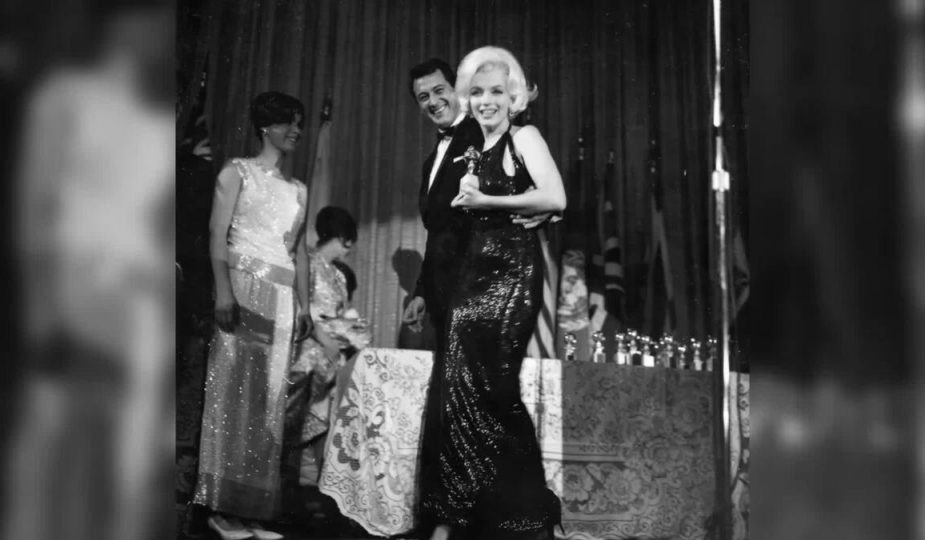
In the early decades, the Golden Globes were synonymous with classic Hollywood splendour. Think sculpted silhouettes, lavish embroidery and jewellery that read like stage props. These looks weren’t merely clothes — they were coronations. Icons such as Elizabeth Taylor embodied this era’s aesthetic: opulent gowns, tiaras and oversized earrings that announced star status. Marilyn Monroe’s sequinned emerald dress is another archetype — theatrical, luxurious and utterly memorable. The lesson for today: invest in pieces with immaculate cut and finish; a single beautifully‑crafted dress will always carry gravitas.
1970s–1980s: excess as expression
With disco and Studio 54 came a red carpet that wanted to shock and seduce. The 1970s and 1980s celebrated maximalism — daring silhouettes, glitter, exaggerated shoulders and bold prints. Cher’s flamboyant looks were emblematic of an era obsessed with identity and spectacle. The 1980s amplified everything: power shoulders, vibrant colours and theatrical accessories. For the modern dresser, these decades teach us to embrace risk: pair one statement item with pared‑back complements to avoid costume‑like excess.
1990s: the power of minimalism
After decades of ornamentation, the 1990s cleared the air. Minimalism became the new luxury: clean lines, monochrome palettes and subtle tailoring. A perfect example is Angelina Jolie’s sleek silver gown — simple yet striking. Minimalism is not blandness; it’s confidence in understatement. Today, this translates into choosing fewer pieces of higher quality and letting impeccable fit and fabric speak for themselves.
2000s: colour, romance and cinematic flair
The new millennium brought a renewed appetite for color and romantic silhouettes. Soft pastels, flowing fabrics and red‑carpet glamour returned with a modern twist — think Halle Berry’s pale blue elegance or Beyoncé’s golden drama. The 2000s married spectacle with accessibility: lots of movement, lightness and a playful approach to femininity. For everyday style, this era encourages mixing texture and colour with a light hand for an effortless, lens‑ready look.
2010s–2020s: fashion with a voice
The last decade saw the red carpet transform into a platform for politics, identity and sustainability. The widespread Black dress movement at the 2018 Globes — a symbol of solidarity with #TimesUp — proved that clothes can be statements as much as adornments. Stars like Lupita Nyong’o and Zendaya have used their red‑carpet moments to amplify narratives about representation and heritage. Vintage couture, conscious sourcing and experimental collaborations dominate — and the public applauds authenticity over mere glitz.
How to translate Golden Globe glamour into real life
Five red‑carpet inspired outfit ideas you can wear now
Beauty and accessories: the finishing touches
Red‑carpet beauty is often about coherence: hair, makeup and accessories should amplify the garment’s story. A sleek bun suits minimalism; loose, tactile waves complement romantic gowns; and a bold lip or graphic eye can transform a simple silhouette into a red‑carpet moment. Jewelry should either anchor or accent — avoid competing statements in a single look.
Why the red carpet still matters
Even in an era of street style and digital trends, the red carpet remains a cultural barometer. It crystallises moments — political, emotional and aesthetic — and translates them into images that resonate globally. For those of us outside Hollywood, it’s a source of inspiration: a place to learn about proportion, narrative in dressing and the power of a single well‑chosen piece.
Whether you’re drawn to the quiet power of the 1990s or the theatrical daring of the 1980s, the Golden Globes offer endless lessons in style. The challenge is not to imitate, but to adapt: take a red‑carpet principle, tailor it to your life and wear it with the confidence that truly makes fashion unforgettable.