For generations, a woman’s anger was pathologised, dismissed as “hysteria” or allowed only in narrow, socially sanctioned forms (the so‑called “mama‑bear” ferocity). Today that dynamic is shifting: rage has reappeared as a public language, a creative force and a political tool. From ancient myths to modern pop culture, the way we represent and harness women’s anger reveals deep cultural currents — and offers routes to transformation rather than repression. In this piece we trace that arc and offer practical ways to recognise, channel and act on collective female anger.
Anger across time: myths and meaning
Classical myths show how women’s anger was simultaneously feared and morally freighted. Clitemnestra’s revenge, Medea’s fury, the Erinyes’ vengeance — these stories aren’t merely cautionary tales about transgression; they record structural violences (sacrifices, betrayal, silencing) and the extraordinary measures women take when formal justice is denied. Read historically, these narratives reveal a pattern: when women’s legitimate grievances are ignored, their anger can radicalise into acts that shock the social order — and in doing so, force society to look at the underlying injustices.
From private emotion to public discourse
Until recently, the socially acceptable form of female anger was circumscribed — protective anger, grief‑fuelled responses, grief turned into righteous action. But the contemporary moment is different: art, literature, music and audiovisual culture have normalised rage as a subject worthy of analysis. This shift matters because it moves anger from the private, stigmatized realm into the public sphere where it can be named, debated and politicised.
How fiction reframes rage
Modern storytelling plays a crucial role in reshaping public perceptions. Books and shows that centre on women’s fury — whether as catharsis, critique or symbolic rebellion — allow audiences to sit with uncomfortable feelings and to see them as responses to systemic harms rather than individual pathology. From the uncanny liberation of feminist horror to revenge narratives that interrogate power structures, fiction gives form to feelings many women recognise but rarely see represented without moral condemnation.
Pop icons and cultural performances
Pop culture has amplified this shift. Major artists have used spectacle to translate pain into cultural statements: think of images of destruction that then resolve into affirmation and reclaimed identity. These performances complicate the idea that female anger must be contained or domesticated; they show how anger can be aestheticised and politicised simultaneously, and how public acts of rupture may open space for discussion about betrayal, injustice and reparation.
From rage to politics
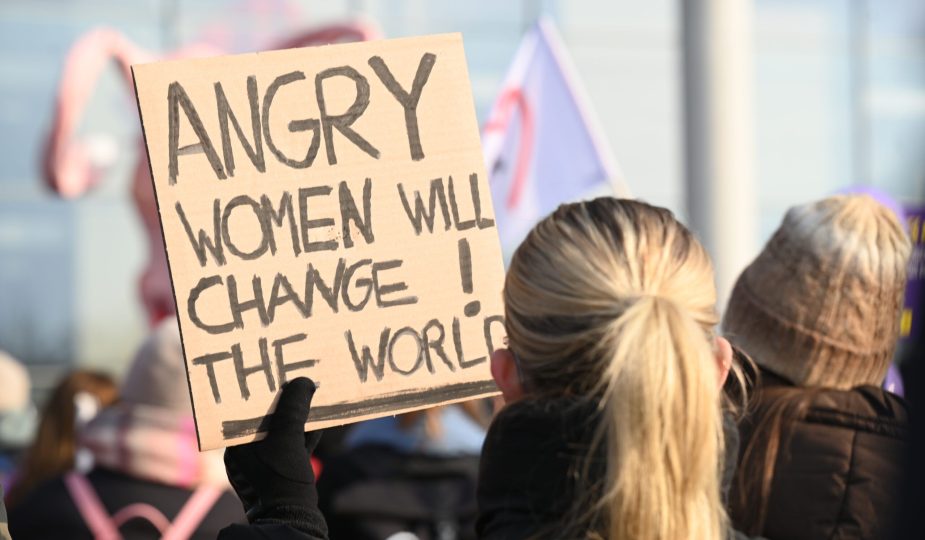
Anger becomes political when it is organised and articulated as a demand. Historically, acts born of fury — violent or not — have punctured the public sphere and forced political reckoning. Today, however, the more sustainable route is collective mobilisation: groups and movements transform private grievances into shared political agendas (equal pay, reproductive justice, protection from violence). Here, rage functions as fuel for collective strategy rather than as an end in itself.
#FemaleRage and the architecture of solidarity
Hashtags and online movements have turned scattered frustrations into visible trends. #FemaleRage and similar tags provide a space for testimony, analysis and solidarity. They create a common vocabulary and a sense of shared purpose: citizens who once felt alone in their anger can find others, exchange experiences and move toward coordinated action.
Rage as creative energy
Importantly, anger is not only about destruction — it can be a generative force. Workshops, activist collectives, arts projects and community programmes convert anger into cultural products and political demands. Training in expressive practices (writing, performance, music) helps people transform despair into statements that both heal and agitate for change. Psychological work also plays a role: recognising anger, understanding its sources, and learning to express it in ways that do not harm the self or others.
When rage is stigmatised: media double standards
Media framing remains deeply gendered. Where a man’s anger can be framed as leadership or passion, a woman’s can be pathologised as emotional instability or aggressiveness. This bias affects political life, corporate leadership, and even everyday social roles. Changing representation within media — through more nuanced portrayals and contextual reporting — is essential to removing stigma and allowing women’s anger to be heard as legitimate critique.
Practical steps: channel anger into impact
Why this matters now
Women’s anger has a renewed dignity in the cultural conversation precisely because it articulates structural problems — sexism, economic inequality, violence, and political exclusion. When this anger is recognised and organised, it has the capacity to reshape institutions, laws and everyday practices. Our role — as readers, viewers and citizens — is to hold space for that expression, to refuse simplistic pathologisation, and to ask what the anger is telling us about how our society functions.
At a time when the word “rage” moves across bookshelves, streaming platforms and social feeds, the cultural task is to turn this heat into constructive pressure: to ensure women’s anger becomes a vehicle for justice, not a reason for dismissal.