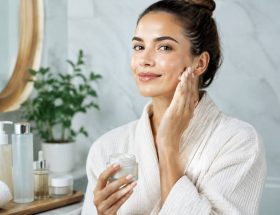

When we see a model’s glowing skin on a campaign shoot, it is tempting to assume there is one secret cream behind it. In reality, healthy-looking skin is usually the result of consistent care, thoughtful product choices, professional support and, yes, good lighting. The most useful lesson from model skincare routines is not that everyone needs a shelf full of expensive products. It is that a simple routine, used regularly, can make a real difference.
Here, we look at the habits often associated with working models, how to adapt them for everyday life and what skin experts generally recommend. Your skin does not need to look airbrushed to be healthy. Texture, pores and the occasional blemish are all normal.
What a model’s skincare routine really involves
Models may have demanding schedules: early call times, travel, long days wearing make-up and frequent changes in climate. Their skincare routines often focus on keeping the skin comfortable and well cared for rather than trying a new trend every week. A make-up artist or dermatologist may also help them choose products that suit their individual needs.
It is worth remembering that a photograph rarely tells the whole story. Professional lighting, make-up, retouching and carefully timed treatments can all affect how skin looks in an image. A model’s routine may also be shaped by their skin type, work commitments and access to professional advice. What works for one person may be irritating or ineffective for another.
The takeaway? Borrow the sensible habits, not the pressure to copy someone else’s complexion. A routine should fit your skin and your life.
The simple morning routine
For many people, a useful morning routine can be kept to three steps: cleanse if needed, moisturise and apply sunscreen. You do not need to own a separate product for every concern before breakfast.
-
Cleanse gently. If your skin feels comfortable when you wake up, rinsing with lukewarm water may be enough. If you are oily or prefer a cleanser, choose a gentle formula that leaves your skin feeling clean, not tight or squeaky.
-
Moisturise. A moisturiser helps support the skin barrier and reduce feelings of dryness. Lightweight lotions may suit oilier skin, while richer creams can be more comfortable for dry or easily irritated skin.
-
Use sunscreen. Apply a broad-spectrum sunscreen with at least SPF 30 to exposed skin. Use it as directed on the label, and reapply when needed, especially after swimming, sweating or spending time outdoors.
Sunscreen is often the least glamorous step, but it is one of the most useful daily habits for helping protect skin from ultraviolet exposure. If you wear make-up, allow your sunscreen to settle before applying it. A foundation with SPF can be a handy extra, but it may not provide enough protection on its own unless you apply a generous amount.
An evening routine that removes the day
After make-up, sunscreen and a busy day, evening is a good time to cleanse properly. The aim is to remove what is on the skin without scrubbing or stripping it.
-
Take off make-up and sunscreen. A cleansing balm, oil or micellar product can help loosen long-wear products. Follow with a gentle cleanser if your skin benefits from a second cleanse.
-
Apply a treatment only if you need one. Ingredients such as retinoids, exfoliating acids or products for blemish-prone skin can be useful for some people, but they are not essential for everyone.
-
Finish with moisturiser. Choose a texture that feels comfortable and leaves your skin calm. If a product stings persistently or causes a rash, stop using it and seek appropriate advice.
Double cleansing can be helpful when you wear heavy make-up or water-resistant sunscreen, but it is not a rule that everyone must follow. If two cleanses leave your face dry, sore or tight, try a gentler approach. Your skin should not feel as if it has been polished for a kitchen worktop.
Choosing products for your skin, not a trend
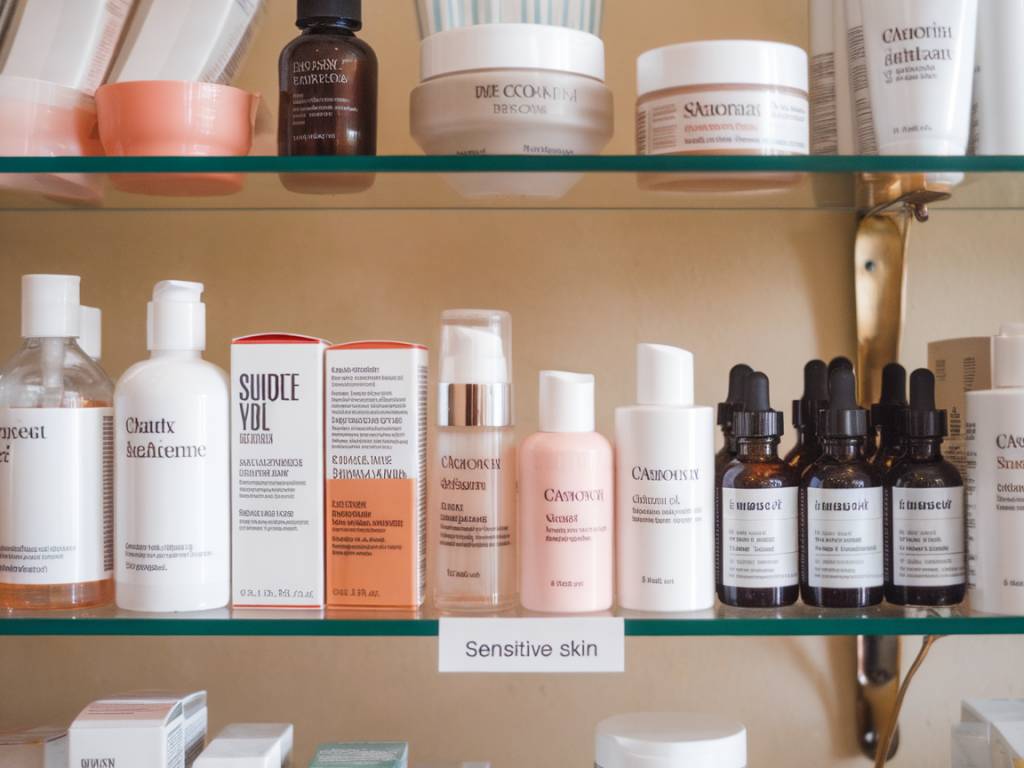
Skincare shopping can be fun, but a crowded shelf is not a measure of success. Start by thinking about how your skin usually behaves. Does it feel dry or tight? Does it become shiny quickly? Is it easily irritated? Does it tend to develop spots? These clues can help you choose products, although skin can change with the seasons, hormones, stress and medication.
For dry skin, look for moisturisers that help reduce water loss and support the skin barrier. For oily skin, a lighter, non-greasy lotion may feel more comfortable. If your skin is sensitive, keep the routine simple and be cautious with strongly fragranced products or multiple active ingredients. If you are prone to blocked pores, look for products labelled non-comedogenic, while remembering that labels cannot guarantee a product will suit everyone.
When you introduce something new, patch test it according to the product instructions and add one new item at a time. That makes it easier to notice what your skin likes and what it does not. Buying three new serums at once may feel exciting, but it can leave you playing detective if irritation appears.
Actives: useful, but not a race
Some models and beauty professionals use active ingredients as part of a targeted routine. Common examples include retinoids, exfoliating acids and vitamin C. They can be helpful for particular concerns, but more is not automatically better, and combining several strong products can irritate the skin.
Retinoids are used in skincare for concerns such as uneven texture and signs of ageing. They can cause dryness or irritation, particularly when first introduced. Start cautiously, follow the product directions and use sunscreen in the daytime. If you are pregnant, trying to become pregnant or breastfeeding, ask a doctor or pharmacist for advice before using retinoid products.
Exfoliating acids may help loosen dead skin cells from the surface, but frequent use can leave skin sore or sensitive. Vitamin C products are popular in morning routines, though formulas vary and some people find them irritating. You do not need all of these ingredients. Pick a product based on a specific need, introduce it slowly and give your skin time to respond.
What to do before a big event or photo
Models often have make-up, styling and photography scheduled around their work. For an important event, it can be tempting to try a strong peel, a new mask or a trending treatment the night before. Resist the urge. An unfamiliar product can cause redness or a reaction at exactly the wrong moment.
In the days before an event, stick with products you already know your skin tolerates. Keep cleansing gentle, moisturise as usual and apply sunscreen during the day. If you use an exfoliant or retinoid, avoid increasing how often you use it in an attempt to get faster results. Skin rarely appreciates a last-minute surprise.
A simple hydrating mask may feel pleasant if you have used it before, but it is not a substitute for regular care. For persistent skin concerns, a qualified professional can help you choose an appropriate plan rather than relying on a pre-event product gamble.
Small habits that support healthy-looking skin
Skincare does not begin and end with products. Everyday habits can influence how skin feels and looks, although no lifestyle change can guarantee perfect skin. Try to be consistent rather than chasing a flawless routine.
-
Be gentle. Avoid harsh scrubbing, very hot water and picking at spots. These habits can make irritation worse.
-
Keep make-up tools clean. Wash brushes and sponges regularly, and do not share products that touch the face or eyes.
-
Look after your sleep and general wellbeing. Rest, balanced meals and managing stress support overall health, even if they cannot replace skincare or medical treatment.
-
Stay patient. Many products need consistent use over several weeks before you can judge whether they are helping. Follow the label and stop if you develop a significant reaction.
And please do not blame yourself for every breakout. Hormones, genetics, illness, medication and other factors can all affect the skin. A spot is not proof that you used the wrong cleanser or ate one biscuit too many.
When professional advice can help
If you have persistent acne, a painful rash, ongoing redness or a skin concern that is affecting your confidence, consider speaking to a GP, pharmacist or dermatologist. They can help identify possible causes and discuss suitable treatment. This is especially important if symptoms are severe, spreading, painful or accompanied by swelling.
Be wary of advice that promises instant results or says one product works for every skin type. Professional guidance should take your skin history, symptoms and circumstances into account. A social media routine can be interesting inspiration, but it is not a diagnosis.
Build a routine you can keep
The best model-inspired skincare routine is not necessarily the one with the most steps. It is the one you can use consistently and comfortably. Begin with a gentle cleanser if you need one, a moisturiser and daily sunscreen. Once those basics are working for you, consider whether a targeted product would genuinely address a concern.
Healthy-looking skin does not have to be poreless, perfectly even or ready for a close-up. Take the useful ideas from model routines—consistency, gentle cleansing, sun protection and thoughtful product choices—and leave the impossible standards behind. Your skin is allowed to look like skin.