Stanley Kubrick’s Dr. Strangelove, or: How I Learned to Stop Worrying and Love the Bomb, returns to cinemas this October in a newly restored print — and the timing feels eerily right. As Daisy from Princess‑Daisy.co.uk, I’ve always admired films that combine razor‑sharp intelligence with bold aesthetics; Kubrick’s 1964 black comedy is precisely that: a savage satire wrapped in immaculate mise‑en‑scène. If you’re tempted to revisit or discover it, here’s why this restored edition is a must‑see and what makes the film still pulse with relevance today.
Why this film matters now
Dr. Strangelove was born out of Cold War anxieties: nuclear strategy, brinkmanship and the terrifying logic of mutually assured destruction. Kubrick chooses satire over solemnity, turning the machinery of geopolitical catastrophe into a grotesque farce. Today, amid renewed geopolitical tensions and rapid technological change, the film’s warning about systems that can fail spectacularly — whether by human error, hubris or mechanical fault — still cuts deep. It’s a reminder that grim possibilities often hide behind bureaucratic routines and brittle egos.
Peter Sellers: a triple triumph
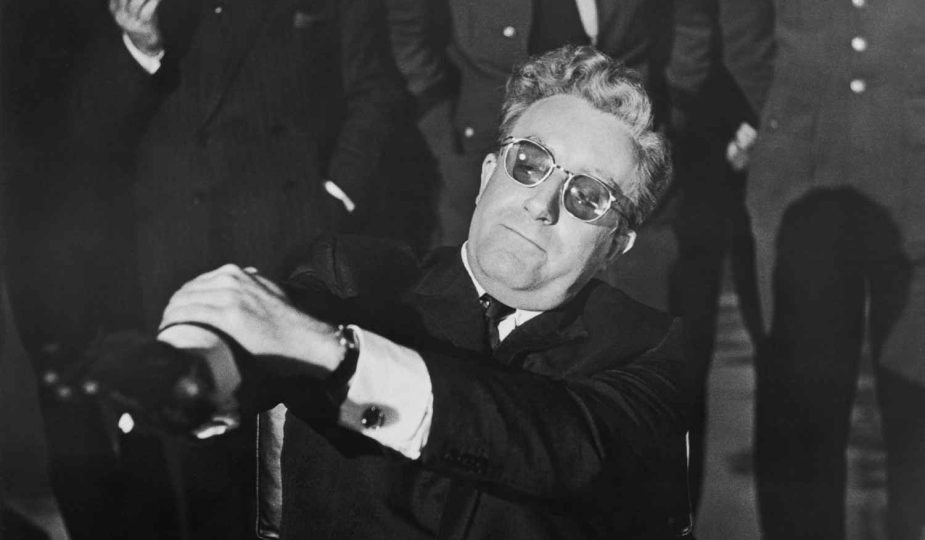
Peter Sellers carries the film on his shoulders, delivering three unforgettable performances: the bumbling President Merkin Muffley, the excitable General Buck Turgidson and the chillingly composed Dr. Strangelove. Sellers’s elasticity — his ability to switch registers from pathetic to menacing to absurd — gives the film its comic backbone and moral sharpness. Each role exposes a different facet of institutional madness: the politican’s politeness, the general’s bloodlust, and the scientist’s casual detachment from morality.
Kubrick’s satire: precise, clinical, merciless
Kubrick’s direction is surgical. The film’s pacing, framing and deadpan rhythms are designed to let the absurdity grow organically until it becomes unbearable. The War Room sequences, with their severe geometry and relentless dialogue, function like a clockwork machine producing ever more grotesque outcomes. Kubrick never laughs at the characters so much as allows the situation to reveal its own lunacy; the result is humour that leaves a bitter aftertaste.
The restoration: why see it on the big screen?
Design and craft that still teach filmmakers
Kubrick’s formal rigor is a lesson in control. From the meticulous set design to the clipped camera movements, every choice serves the satire. The film’s economy — long stretches of dialogue delivered with near‑operatic precision — rewards patience. For anyone interested in film craft, watching Dr. Strangelove in a restored version is like attending a masterclass in timing, mise‑en‑scène and tonal control.
Modern echoes: technology, authority and miscommunication
While nuclear arms are the film’s centerpiece, the underlying themes resonate with contemporary concerns: automated systems that act without full oversight, leaders reliant on imperfect information, and institutions built to be infallible yet are fragile in practice. Kubrick’s portrait of authority figures who misread reality and trust dangerous mechanisms is alarmingly applicable to our age of autonomous tech and rapid escalation dynamics.
Practical notes for viewers
Dr. Strangelove is satire that still shivers. It’s funny, bleak and terrifyingly lucid about how catastrophic outcomes can arise from the routines of power. Seeing it in a restored version is both a cinematic pleasure and a reminder: sometimes, the best way to confront the present is to watch how the past satirised it so incisively.